How Can I Sell My Townhouse in Seattle?
Selling Seattle Townhomes In A Crowded Marketplace
To sell a townhouse in Seattle, I recommend starting with three things: understand your ownership structure, prepare the property so buyers feel confident, and position your home against competing townhomes, condos, and single-family alternatives. Seattle townhouse buyers often care about HOA structure, deferred maintenance, parking, stairs, privacy, outdoor space, natural light, and the quality of the surrounding development. If your townhouse does not have an HOA, that is not automatically a problem, but buyers will want clear answers about who maintains shared walls, roofs, drainage, driveways, fences, and other shared elements. If repairs are needed, the best strategy is to identify them early, decide what is worth fixing, document what you know, and price the home appropriately. In a market where Seattle is planning for more middle housing, townhouse sellers need to make their property stand out with condition, clarity, presentation, and smart pricing.
How Can I Sell My Townhouse in Seattle?
By Emily Cressey, Seattle Realtor and real estate investor
Selling a townhouse in Seattle is different from selling a traditional single-family home, and it is also different from selling a condo.
Townhouses have their own buyer psychology.
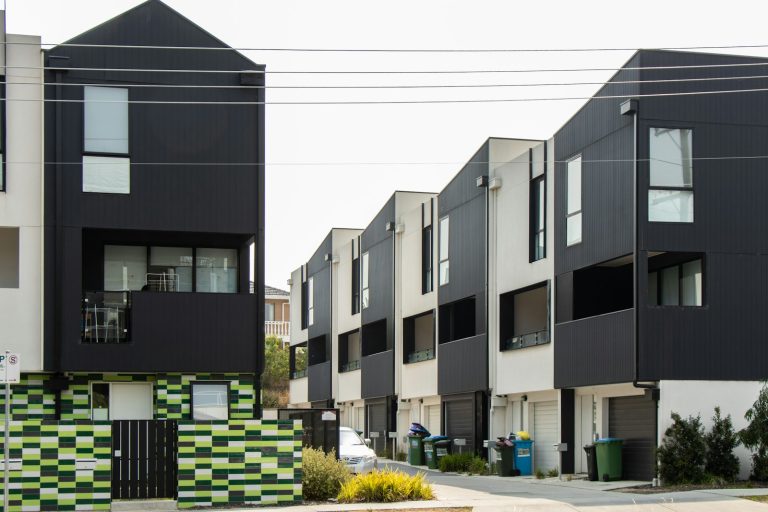
Some buyers love them because they offer more independence than a condo, more privacy than an apartment-style building, and a more attainable price point than many single-family homes in Seattle. They may offer rooftop decks, modern finishes, views, private yards, garage parking, and walkable neighborhood access.
Other buyers hesitate because of stairs, shared walls, limited storage, tight parking, narrow layouts, privacy concerns, or confusion about maintenance responsibilities.
That is why I do not approach a Seattle townhouse sale by simply asking, “What are other homes selling for?”
I start with a more strategic question:
Why will a buyer choose this townhouse instead of the other options available to them?
That question matters more now because Seattle is changing. The city is planning for significant housing growth, and the middle housing conversation is reshaping how buyers, builders, and homeowners think about townhouses. Seattle’s Comprehensive Plan is intended to guide growth over a 20-year period, and city planning materials have referenced an estimated 20-year target of 80,000 additional housing units.
Seattle has also adopted middle housing rules that allow up to 4 units on every residential lot and up to 6 units when a property is near major transit stops or includes low-income housing.
That does not mean every neighborhood will suddenly be flooded with identical townhomes. It does mean townhouse sellers should expect more competition over time. Buyers will have choices. When buyers have choices, condition, documentation, parking, layout, privacy, and pricing matter.
This article walks through the main issues I look at when helping Seattle townhouse owners prepare to sell.

First, Know What You Actually Own
Before selling your Seattle townhouse, the first step is understanding the legal structure of the property.
In Seattle, a townhouse may be:
- A fee-simple townhouse with no homeowners association
- A townhouse that belongs to an HOA
- A townhouse-style condominium
- A unit in a small common interest community
- A home with a party wall agreement, maintenance agreement, shared driveway agreement, easements, or covenants
These details matter because buyers need to understand what they are buying. Lenders, inspectors, title companies, and buyer brokers will also care.
If your home shares walls, roofs, exterior surfaces, utility lines, fences, drainage, driveways, walkways, garages, or common landscaping with other owners, buyers will want to know who is responsible for what.
I like to collect these documents early:
- Preliminary title report
- Any recorded covenants
- Party wall agreement
- Joint maintenance agreement
- Shared driveway or access easements
- HOA documents, if there is an HOA
- Insurance information
- Roof, siding, deck, drainage, and window repair records
- Permit records for major work
- Parking and storage documentation
- Any written agreements with neighboring owners
This may sound technical, but it is really about buyer confidence. A buyer is more likely to move forward when they understand the rules, the risks, and the responsibilities.

What If My Seattle Townhouse Does Not Have an HOA?
Many Seattle townhouse owners are proud to say, “There are no HOA dues.”
That can be a benefit. Some buyers like avoiding monthly fees, board rules, architectural controls, pet restrictions, rental restrictions, and special assessments.
But no HOA also means buyers may have more questions.
If there is no HOA, who handles exterior maintenance? Who coordinates repairs if the roof affects more than one unit? What happens if a shared fence falls down? Who pays if a shared sewer line needs work? Who maintains drainage? What if one owner wants to paint the exterior and the neighbor does not?
A no-HOA townhouse is not automatically less valuable. In some cases, it is very appealing. But it needs clarity.
The best no-HOA townhouse listings usually have one or more of these:
- Clear recorded maintenance agreements
- A simple history of how owners have handled shared repairs
- Separate utilities where possible
- Clear parking rights
- Clearly defined private and shared areas
- Good communication among neighboring owners
- A history of completed maintenance
If there is no written agreement for a shared item, I usually want to know that before we list, not after we receive an offer. The solution may be disclosure, pricing, repairs, legal review, or additional documentation. The right answer depends on the property.
Will No HOA Be a Problem for Future Buyers?
It can be, but it does not have to be.
Some buyers see “no HOA” as freedom. Other buyers see it as uncertainty.
The way you present the home matters. If the listing makes it sound like no HOA means no shared responsibilities, a buyer may feel misled later. If the listing is clear that the home is fee-simple but has shared walls or agreements, the buyer can evaluate that upfront.
A buyer’s concern is usually not, “Is there an HOA?”
Their real concern is, “Will I get stuck with a surprise problem I do not understand?”
My job is to reduce that fear. That means gathering information early and making sure the buyer has a clean, organized picture of the property.
What If Deferred Maintenance Is Needed?
Deferred maintenance is one of the biggest issues in Seattle townhouse sales.
Many townhouses have complex exterior features. Roof decks, flat or low-slope roofs, siding systems, windows, drainage, parapet walls, decks, and stairs all need maintenance. Seattle weather is not gentle on building envelopes. Water management matters.
Buyers are often forgiving about cosmetic items. They are much less forgiving when they worry about water intrusion, rot, drainage failure, roof deck issues, or shared exterior repairs.
Common townhouse maintenance issues include:
- Worn rooftop deck surfaces
- Exterior caulking and flashing concerns
- Siding repairs
- Failing window seals
- Drainage problems
- Moss or roof wear
- Deck railing issues
- Fence damage
- Garage door problems
- Interior stair wear
- Dated paint, flooring, and fixtures
- Old water heaters or mechanical systems
Deferred maintenance becomes most dangerous when it appears unexpectedly during inspection. If a buyer thinks the home is pristine and then the inspector finds a long list of issues, the buyer may get nervous, renegotiate aggressively, or walk away.
I would rather identify the major concerns before listing and decide how to handle them strategically.
Should I Fix My Townhouse Before Selling?
Sometimes yes. Sometimes no.
The highest priority repairs are usually the ones that affect buyer confidence, safety, financing, insurance, or habitability. If something suggests water intrusion, active leaks, unsafe stairs, failed systems, or exterior deterioration, I want to look closely at whether it should be repaired before listing.
Cosmetic repairs are different. A future buyer may not like the tile, counters, flooring, carpet, cabinet color, or light fixtures you choose. In those cases, it may be smarter to clean, neutralize, and price appropriately rather than over-improve.
Repairs that often help a townhouse sale include:
- Fresh neutral paint
- Professional cleaning
- Window cleaning
- Carpet cleaning or replacement if the carpet is heavily worn
- Touch-up work on trim, doors, walls, and stair rails
- Replacing burned-out bulbs and dated light fixtures
- Fixing leaky faucets or running toilets
- Servicing mechanical systems
- Cleaning decks, patios, and rooftop spaces
- Improving privacy with window coverings
- Freshening small yards, planters, or entry areas
Repairs that require more thought include:
- Full kitchen remodels
- Expensive bathroom remodels
- Designer tile selections
- Luxury flooring upgrades
- Major custom built-ins
- Highly personal finish choices
The goal is not to make the townhouse perfect. The goal is to remove buyer resistance, improve confidence, and make the home feel well cared for.

What If I Want to Fix My Unit, But the Future Buyer Does Not Want My Choices?
This is a real concern, especially in townhomes where buyers may already feel the layout is specific and the space must work hard.
My advice is to separate repairs into three categories.
1. Necessary Repairs
These are issues that most buyers would want addressed. Examples include active leaks, broken fixtures, damaged stairs, unsafe railings, malfunctioning appliances, or visible maintenance problems. These repairs usually help because they reduce friction.
2. Neutral Presentation Improvements
These are updates that make the home feel clean and move-in ready without imposing a strong design opinion. Examples include neutral paint, clean carpet, simple lighting, refreshed landscaping, and deep cleaning.
3. Personal Design Choices
These are the risky ones. A seller may love a bold backsplash, dramatic cabinet color, or expensive specialty flooring. A buyer may not. Unless the current condition is actively hurting the sale, I am cautious about making big design decisions for a future buyer.
When the issue is cosmetic and expensive, another option may be to price the home so the buyer can make their own improvements after closing. In some cases, a seller credit may be possible, but credits depend on the buyer’s loan, lender rules, contract terms, and negotiation strategy.
How Do HOAs Affect Seattle Townhouse Value?
Some Seattle townhouses have HOAs. Some do not. Some look like townhouses but are legally condominiums. Some are part of a common interest community under Washington law.
Washington law treats common interest communities and resale certificate obligations seriously. RCW 64.90.640 states that, unless an exception applies, a unit owner must provide a purchaser with a resale certificate before execution of a sale contract or before conveyance.
For sellers, the practical point is simple: know early whether your townhouse requires HOA documents, condo documents, a resale certificate, or a common interest community addendum.
An HOA can help value when it creates order and confidence. Buyers may like knowing there are budgets, reserves, insurance, meeting minutes, rules, and a system for handling shared repairs.
An HOA can hurt value when dues feel high, reserves are weak, insurance is problematic, litigation exists, rules are restrictive, rental policies are unattractive, or major repairs are looming.
No HOA can help value when buyers want freedom and low monthly costs.
No HOA can hurt value when shared maintenance is unclear.
The structure itself is not automatically good or bad. The question is whether the structure gives buyers confidence.
How Will Seattle’s Middle Housing Changes Affect Townhouse Sellers?
Seattle’s middle housing policy is intended to create more housing options across the city. The city has adopted rules that allow more housing types in residential zones, including townhouses, duplexes, fourplexes, stacked flats, and cottage housing.
For homeowners, I would not frame this as panic. I would frame it as competition.
If more middle housing is built, future buyers may have more new construction options. That can make resale townhomes compete against builder-fresh homes with new appliances, modern finishes, builder warranties, and strong online presentation.
At the same time, existing townhomes can still compete very well. They may have better locations, more mature neighborhoods, larger floor plans, more storage, better parking, better views, lower price points, or features that newer infill construction cannot easily replicate.
The key is differentiation.
A Seattle townhouse seller should be prepared to answer:
- What makes this townhouse better than nearby new construction?
- Is the parking stronger?
- Is the layout more livable?
- Is the rooftop deck better?
- Is there more privacy?
- Is the location more walkable?
- Is the home wider or brighter?
- Is there a yard?
- Are the stairs more manageable?
- Are the maintenance records stronger?
- Is the price more compelling?
When buyers have many similar choices, the home that feels easiest to understand often has an advantage.
Parking Can Change the Buyer Pool
Parking is one of the biggest value drivers for Seattle townhomes.
A townhouse with a private garage attracts a different buyer than a townhouse with no parking. A townhouse with outdoor assigned parking may fall somewhere in between. A townhouse with a garage that is too small for many vehicles may need careful presentation.
In dense neighborhoods like Ballard, Fremont, Wallingford, Capitol Hill, Queen Anne, Green Lake, and West Seattle, parking can change demand substantially.
If your townhouse has garage parking, I want to show it clearly. Buyers need to know whether the garage fits a car, bikes, storage, tools, outdoor gear, or a home gym setup.
If the home has outdoor parking, I want to show where it is, whether it is assigned, and how convenient it feels.
If the home has no parking, the marketing needs to be honest and strategic. We should emphasize walkability, transit, bike storage, rideshare access, neighborhood amenities, and the type of buyer who does not want to pay a premium for parking they may not use.
Parking is not just a feature. It affects the buyer pool, the pricing strategy, and the way the home should be marketed.
Stairs Are a Real Buyer Filter
Many Seattle townhouses are three or four stories tall. Some buyers love that vertical separation. Others rule it out immediately.
Stairs can be challenging for buyers with small children, older pets, mobility concerns, frequent guests, or aging-in-place plans. Even young buyers may wonder whether they want to carry groceries up multiple flights or go from the bedroom to the rooftop deck every time they entertain.
I do not try to hide the stairs. Instead, I try to explain the lifestyle.
A vertical townhouse may offer:
- Better separation between work, guest, and sleeping spaces
- A private top-floor suite
- A lower-level office or guest room
- A rooftop deck with light, air, and views
- More privacy than a flat apartment-style layout
- Less yard maintenance
- Stronger use of a small urban footprint
The right buyer may love the layout. But the listing should not pretend every buyer will.
Rooftop Decks, Views, and Outdoor Space Matter
A rooftop deck can be one of the most valuable emotional features of a Seattle townhouse.
Seattle buyers love outdoor space, especially when it gives them light, privacy, fresh air, territorial views, mountain views, city views, or a place to entertain.
But a rooftop deck must be presented well. An empty, dirty, or neglected deck can feel like future maintenance. A staged or thoughtfully arranged deck can feel like an extension of the living space.
Before listing, I would look at:
- Is the deck clean?
- Are the railings in good condition?
- Are there drainage concerns?
- Is the membrane or surface in good shape?
- Does the space need planters, seating, or lighting?
- Is there a view angle that should be photographed?
- Does the deck feel private or exposed?
A small yard or patio can also be a strong selling point. Many townhomes do not have meaningful ground-level outdoor space, so even a modest yard can help the home stand out.
The Goldfish Bowl Effect
Privacy is one of the most overlooked issues in townhouse marketing.
Many Seattle townhomes have large modern windows and are built close to neighboring homes. During the day, the windows can bring in wonderful natural light. At night, especially in the winter when it is dark by late afternoon, those same windows can make the home feel exposed.
I call this the goldfish bowl effect.
Buyers notice when they can see directly into a neighbor’s living room, bedroom, or kitchen. They also notice when they feel neighbors can see directly into theirs.
This does not mean the home cannot sell well. It means privacy should be handled intentionally before photos and showings.
Possible solutions include:
- Top-down, bottom-up shades
- Light-filtering window coverings
- Strategic frosted film
- Tall indoor plants
- Outdoor planters or screens
- Layered lighting instead of harsh overhead lighting
- Staging that keeps private areas from feeling exposed
- Showing the home at the right time of day for photography
I want a buyer to walk in and feel comfortable. Privacy solutions can make a big difference in how a townhouse feels.
Do Larger Townhouse Developments Sell Better Than Small Clusters?
This is a great question, and the answer depends on the buyer and the property.
A larger townhouse development with 20 or more homes may offer advantages:
- More comparable sales
- More predictable pricing
- A more formal HOA or management structure
- Clearer shared maintenance systems
- More consistent exterior standards
- More buyer familiarity
- A stronger sense of community
But larger developments may also create direct competition. If several similar units exist, buyers may compare them closely. If one sells low, it can affect buyer perception of the next one.
A small cluster of four to six townhomes may feel more private, boutique, and unique. Buyers may like that. But smaller developments can raise questions about shared maintenance, neighbor cooperation, exterior consistency, and what happens when repairs are needed.
So, do larger developments sell better?
Not automatically.
Larger developments may sell more predictably when the HOA is strong, the property is well maintained, and recent comparable sales support the price.
Smaller developments may sell very well when the home feels special, has strong documentation, offers privacy, and is clearly maintained.
The issue is not just size. It is confidence.
How I Would Prepare a Seattle Townhouse for Market
If I were preparing your townhouse for sale, I would start with a practical pre-listing review.
Step 1: Review the Documents
I would look at title, HOA status, party wall agreements, maintenance agreements, parking rights, easements, permits, and any repair records.
Step 2: Identify Buyer Objections
I would walk through the home like a buyer and ask: What will they worry about? Stairs? Parking? Privacy? Maintenance? Noise? Layout? Natural light? HOA dues? No HOA? Storage?
Step 3: Decide What to Fix
I would separate repairs into must-fix, nice-to-fix, and do-not-fix categories. The goal is to spend money where it improves confidence or saleability.
Step 4: Prepare the Home Visually
Townhouses need excellent presentation because layouts can be hard to understand online. I like professional photography, floor plans, clear room labels, and strong photos of parking, storage, decks, yards, views, and neighborhood amenities.
Step 5: Price Against the Real Competition
The competition may include resale townhomes, new construction townhomes, condos, small single-family homes, and even rental alternatives. The pricing strategy should reflect how buyers will actually shop.
Step 6: Market the Lifestyle
A townhouse is not just square footage. It is a lifestyle. The marketing should explain how the home lives, why the layout works, how outdoor spaces are used, what makes the location convenient, and why the home stands out.
Final Thoughts
Selling a Seattle townhouse is about more than putting it on the MLS and waiting for a buyer.
It requires understanding the ownership structure, maintenance responsibilities, buyer concerns, neighborhood competition, and the lifestyle the home offers.
If your townhouse has no HOA, that may be a benefit, but the maintenance responsibilities should be clear. If deferred maintenance exists, it should be addressed strategically. If parking is limited or absent, the marketing and pricing need to reflect that. If the home has stairs, privacy issues, or close neighboring windows, those concerns should be handled clearly and thoughtfully.
Seattle’s future housing supply may create more competition for townhouse owners. But competition does not eliminate value. It simply raises the importance of preparation, differentiation, and buyer confidence.
If you are thinking about selling your Seattle townhouse, I would be happy to help you look at the property the way a buyer will see it, identify the likely objections, decide what is worth fixing, and create a strategy to help your home stand out.
FAQ: Selling a Townhouse in Seattle
Is selling a Seattle townhouse different from selling a single-family home?
Yes. A townhouse sale often requires more explanation around shared walls, maintenance responsibilities, parking, stairs, outdoor space, and HOA structure. Buyers may compare your home with condos, new construction townhomes, and smaller single-family homes, so the pricing and marketing strategy needs to reflect that.
Is selling a Seattle townhouse different from selling a condo?
Yes. Some townhouses are legally condos, but many are not. A condo buyer often expects an association, monthly dues, reserves, meeting minutes, and common area management. A townhouse buyer may be buying a fee-simple home with fewer shared systems, or they may be buying into an HOA or common interest community. The documents matter.
Can I sell my Seattle townhouse if there is no HOA?
Yes. Many Seattle townhouses sell without an HOA. No HOA can be attractive to buyers who want lower monthly costs and fewer rules. The important thing is to clarify how shared maintenance is handled. If the home has shared walls, roofs, driveways, fences, utilities, or drainage, buyers will want to know who is responsible for what.
Will no HOA hurt my townhouse value?
Not necessarily. Some buyers prefer no HOA. Others prefer the structure and predictability of an HOA. No HOA can hurt value if maintenance responsibilities are unclear or if the property appears neglected. No HOA can help value if the home is well maintained, documents are clear, and buyers like the flexibility.
What documents should I gather before selling my townhouse?
I would gather the preliminary title report, recorded covenants, party wall agreement, maintenance agreement, HOA documents if applicable, parking documentation, easements, permits, insurance information, repair receipts, and any records related to roofs, siding, decks, drainage, windows, or shared systems.
Should I get a pre-inspection before selling my townhouse?
In some cases, yes. A pre-inspection can help identify problems before buyers do. This can be especially helpful for townhouses with roof decks, exterior maintenance concerns, drainage issues, older systems, or shared components. Whether to do a pre-inspection depends on the property, market conditions, and your selling strategy.
Should I fix deferred maintenance before listing?
It depends on the issue. Repairs that affect safety, water intrusion, financing, insurance, or buyer confidence are often worth addressing. Cosmetic issues may or may not be worth fixing. I prefer to evaluate repairs based on likely buyer reaction, cost, return on investment, and whether the repair will reduce inspection risk.
What if I cannot afford to make repairs before selling?
You may still be able to sell. The options may include pricing the home appropriately, disclosing known issues, obtaining repair bids, offering a credit if allowed by the buyer’s loan and contract terms, or targeting buyers who are comfortable making improvements. The key is not to surprise the buyer late in the process.
I also have vendors who can do the repairs and get paid upon closing, so that can help you get “must do” work done, without having to come out of pocket. If you need something more extensive done, like a complete bathroom or kitchen remodel, or a lot of work throughout the home, a vendor like CURBIO can do the project management and financing all under one roof.
Should I remodel my townhouse before selling?
Usually, I would be cautious about major remodels unless the current condition is seriously hurting value. Smaller improvements such as paint, cleaning, lighting, touch-ups, carpet replacement, and outdoor refreshes often make more sense than expensive design-heavy remodels.
What improvements usually help Seattle townhouses sell?
Fresh paint, deep cleaning, window cleaning, improved lighting, carpet cleaning or replacement, minor repairs, organized storage, clean outdoor spaces, and privacy improvements often help. Buyers want the home to feel clean, cared for, and easy to move into.
How important is parking when selling a Seattle townhouse?
Parking can be very important. A private garage, assigned parking space, outdoor parking, or no parking can each attract a different buyer pool. In dense Seattle neighborhoods, parking can materially affect value and demand. If the home has parking, it should be highlighted clearly. If it does not, the marketing should emphasize walkability, transit, and lifestyle.
Can a Seattle townhouse with no parking still sell well?
Yes. A no-parking townhouse can sell well in the right location, especially if it is near transit, restaurants, employers, parks, and neighborhood amenities. However, it should be priced and marketed for the buyer who values location and lifestyle more than a dedicated parking space.
Do stairs hurt townhouse resale value?
Stairs can limit the buyer pool. Many Seattle townhouses have three or four levels, which may not work for every buyer. However, the right buyer may appreciate the separation of spaces, rooftop deck, views, and urban lifestyle. The key is to market the benefits while being realistic about the buyer pool.
Are rooftop decks valuable for Seattle townhomes?
Yes, rooftop decks can be very valuable when they feel usable, private, clean, and well maintained. A rooftop deck with territorial, city, mountain, or water views can be a major emotional selling point. The deck should be cleaned, staged if appropriate, and photographed well.
What is the goldfish bowl effect in townhomes?
The goldfish bowl effect is when a townhouse has large windows facing nearby neighbors, making the home feel exposed, especially at night. This is common in dense Seattle infill housing. Window coverings, frosted film, plants, outdoor screening, and thoughtful lighting can help improve privacy.
Do buyers prefer townhouses with HOAs or without HOAs?
It depends on the buyer. Some buyers prefer an HOA because it provides structure, reserves, insurance, and rules for maintenance. Others prefer no HOA because they want lower monthly costs and more control. The best outcome is when the ownership structure is clear and the home feels well managed.
Can HOA dues hurt resale value?
Yes, if dues seem high compared with the benefits provided. Buyers will ask what the dues cover. If the dues cover important maintenance, insurance, reserves, and shared services, they may be acceptable. If the dues are high and the association appears weak or underfunded, buyers may hesitate.
What if my HOA has low reserves?
Low reserves can concern buyers, especially if major repairs may be needed. It does not automatically prevent a sale, but it can affect buyer confidence and negotiation. Sellers should understand the HOA financial picture early so they are not surprised after going under contract.
Do larger townhouse developments sell better than small clusters?
Not always. Larger developments may offer more predictable comparable sales and clearer maintenance systems. Smaller clusters may feel more private and unique. Buyers care most about condition, documentation, layout, privacy, parking, location, and confidence in future maintenance.
How should I price my Seattle townhouse?
Pricing should reflect more than square footage. I would compare your home against similar resale townhouses, new construction, condos, and small single-family alternatives. I would also adjust for parking, layout, stairs, outdoor space, views, privacy, condition, HOA structure, and neighborhood demand.
Will Seattle’s middle housing changes hurt my townhouse value?
Middle housing changes may create more competition over time, but they do not automatically hurt every townhouse. Existing townhomes can still compete well if they offer a strong location, better parking, more privacy, better outdoor space, good maintenance, or a more attractive price than new construction.
How can I make my townhouse stand out from new construction?
Focus on the features new construction may not offer. That could include a better location, more parking, larger rooms, a wider layout, mature landscaping, better storage, stronger privacy, views, a usable yard, or a lower price. Presentation and documentation also matter.
What is the biggest mistake townhouse sellers make?
One of the biggest mistakes is assuming buyers will overlook issues because the home is in Seattle. Buyers are more cautious when they have choices. If the home has unclear maintenance responsibilities, visible deferred maintenance, poor presentation, or unrealistic pricing, it can sit on the market.
When should I talk with a Realtor about selling my townhouse?
Ideally, before you start making repairs. A good pre-listing strategy can help you avoid spending money in the wrong places. I can help you decide what to fix, what to leave alone, what documents to gather, and how to position your townhouse for the current Seattle market.

About the Author: Emily Cressey
Emily Cressey is a Seattle-area listing agent and REALTOR® with HomePro Associates at Keller Williams Greater Seattle, known for partnering with sellers by investing her own funds into every listing to make sure it’s looking its best. Whether that’s through getting some new paint, staging, minor repairs, professional cleaning, or whatever it takes to get top dollar for your sale. A real estate investor since 2002 and a licensed broker since 2008, her goal is simple: sell it for top dollar in a way that’s time-efficient and low-stress for the owner. Outside of work, she’s an avid rose gardener, which may explain her eye for curb appeal.
Thinking about selling your home? Call or text Emily at 206-245-8813, book a free call. We make real estate EASY for you.
WA Real Estate License #20109399 · Verify at WA DOL