Relocating from Charleston SC to Seattle WA: What to Know Before You Move
What should you know before relocating from Charleston, SC to Seattle, WA?
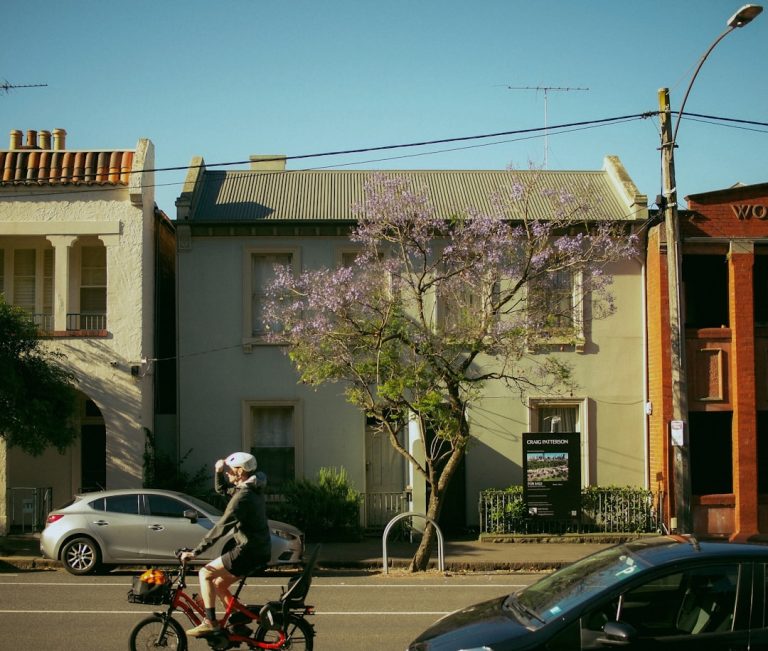
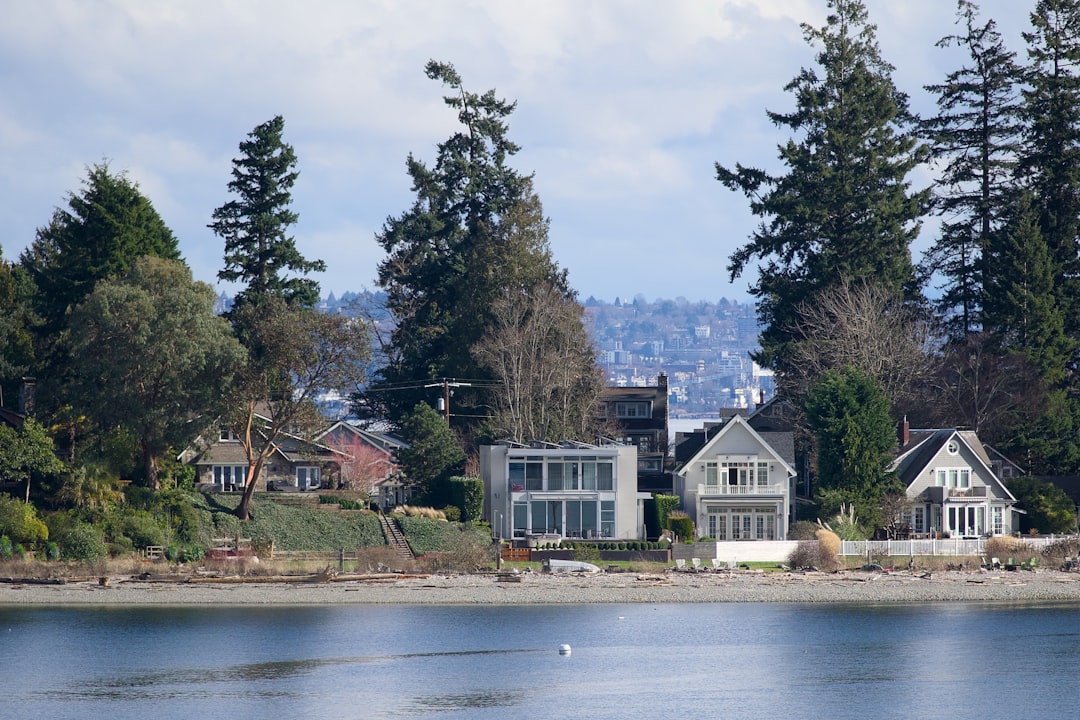
Seattle is more walkable and transit friendly than Charleston, but homes run older, cost more, and the aesthetic leans mid-century and craftsman rather than antebellum and historic Southern. Buyers who prioritize water views and walkable neighborhoods tend to land in Queen Anne, Edmonds, Kirkland, Laurelhurst, or West Seattle.
If you’d rather watch than read, here’s Emily’s take on relocating to the Pacific Northwest and touring neighborhoods in person:
For whatever reason, I feel like a “relocation agent” for people from Charleston to Seattle and have had several clients who fit this profile over the last couple of years. If that’s you… welcome and I’m here to help!
If you’re picturing your next chapter in the PNW somewhere charming, blue-leaning and with the water and walkability you may be used to… we’ve got the weather and the lifestyle to give you the needed change of pace you’re looking for as you relocate away from the Lowcountry.
You’re NOT the first Charleston family to look at Seattle. Over the past few years, I’ve worked with more than one household making exactly this move, usually right around the time the kids head off to college or retirement starts feeling closer than further away.
What worked for other clients?
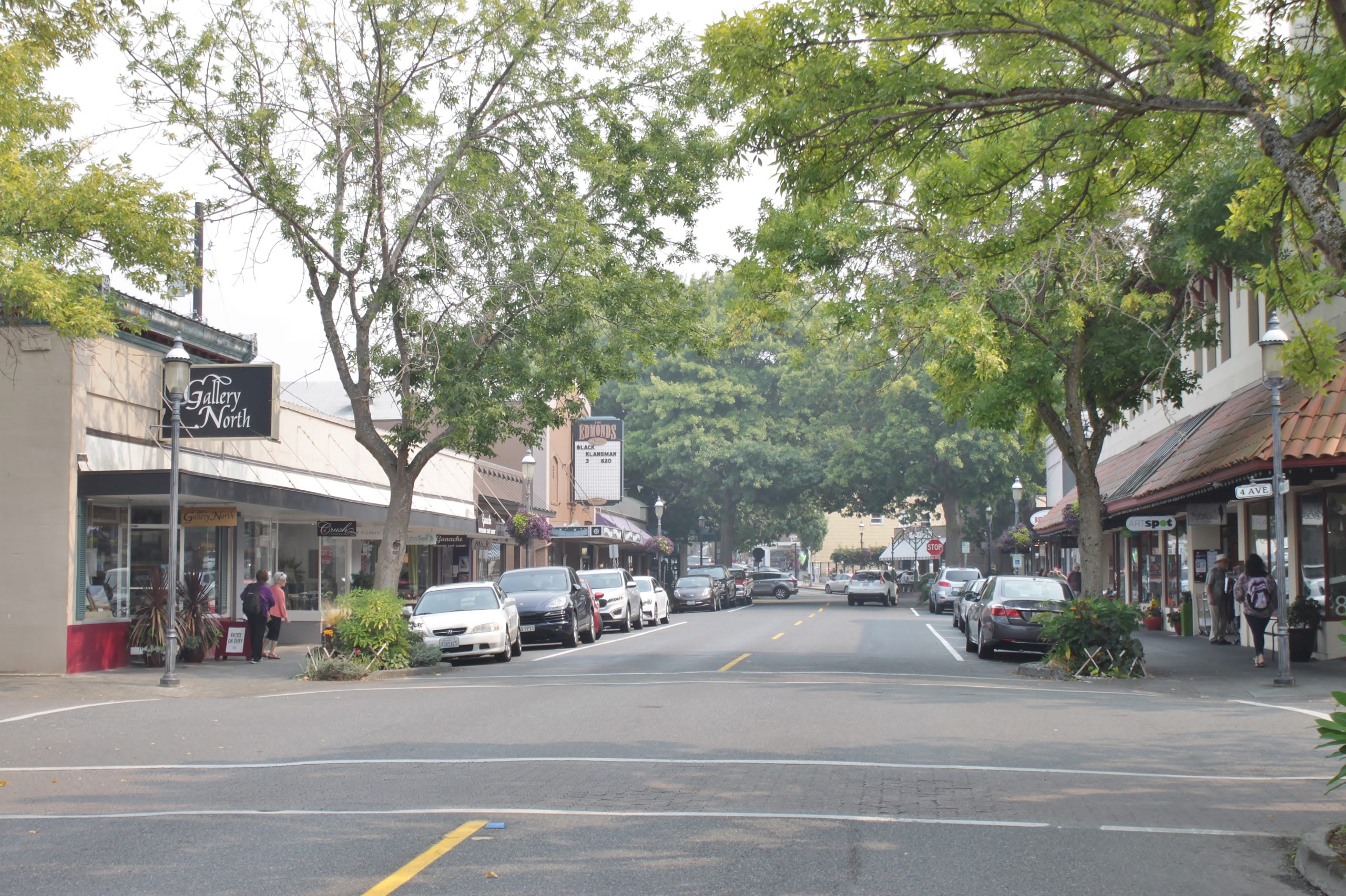
One family gravitated toward Edmonds for its walkable downtown and ferry-town feel. Another, touring homes with me recently, is drawn to Queen Anne, specifically the historic pocket near Kinnear Park that locals sometimes call “Millionaire’s Row” for its early-1900s mansions. What both households have in common is a set of priorities that shows up again and again in Charleston-to-Seattle relocations: walkability, water, and a home that doesn’t need a decade of work to feel finished.
This post walks through what to actually expect: the neighborhoods to tour, the tradeoffs between historic charm and turnkey condition, what the move itself actually costs, and the practical, day-to-day differences between Charleston and Seattle that tend to catch Southern buyers off guard once the moving truck has come and gone.
Why Charleston Buyers Land in These Particular Seattle Neighborhoods
Charleston has its own version of walkable, historic, water-adjacent living: think the Battery, downtown peninsula streets, front porches you can sit on in the evening. When Charleston buyers start touring Seattle, they’re usually, consciously or not, looking for that same combination. A walkable core, water nearby, and houses with some age and character to them, not a subdivision on the urban edge.
Seattle actually outperforms Charleston on two of the metrics that matter most to this kind of buyer. According to Walk Score’s city comparison data, Seattle scores significantly higher than Charleston on both overall walkability and public transit access, which matters if part of your motivation for moving is walking to coffee, restaurants, and errands instead of driving everywhere.
Neighborhoods to Tour First
A handful of neighborhoods consistently come up with Charleston transplants:
- Queen Anne: Hilltop views, a walkable village center, and pockets of early-1900s mansions near Kinnear Park that give the neighborhood its historic character. It’s one of Seattle’s most established and expensive neighborhoods, and inventory in the most sought-after blocks is thin.
- Kirkland: Lake Washington waterfront, a walkable downtown core, and easy Eastside access for buyers who want water views with a slightly different pace than Seattle proper.
- Laurelhurst: A quieter, more residential lakeside neighborhood near the University District, popular with buyers who want water proximity without a commercial core.
- West Seattle: Beach-town character, water and skyline views, and a more residential pace than downtown, connected back to the city by bridge and water taxi.
I usually recommend touring at least three of these in person before narrowing down. The difference between a lake view and a Sound view, or between a dense walkable core and a quieter residential street, is hard to judge from listings alone. Photos flatten out exactly the kind of detail that ends up mattering most once you’re standing on the block, whether that’s the pitch of a hill, the sound of a nearby ferry horn, or how close the nearest coffee shop actually feels on foot.

What Charleston Buyers Are Really Comparing
When I walk a Charleston-based buyer through these neighborhoods, they’re rarely comparing house to house. They’re comparing feeling to feeling. A Kirkland waterfront street reads differently than a Queen Anne hilltop block, even though both check the “water view and walkable” box on paper. Some buyers want a commercial main street a few blocks away; others want quiet and greenery right up to the front door. Neither is a wrong answer, but it helps to know which one you actually gravitate toward before you start writing offers.
It also helps to separate “walkable to a destination” from “walkable in general.” Edmonds and Kirkland both have compact downtown cores you can genuinely live without a car for groceries, coffee, and dinner. Queen Anne, Laurelhurst, and West Seattle are walkable in a quieter, more residential sense: tree-lined streets, neighbors out with strollers or dogs, a coffee shop or two within a mile, but not necessarily a dense commercial strip at the end of the block. If daily walkable errands matter more to you than a quiet residential feel, weight your tours accordingly.
Outdoor Access and Everyday Life
Part of what draws Charleston buyers to these particular neighborhoods is proximity to water for its own sake, not just the view from a window. Puget Sound and Lake Washington both offer public parks, trails, and beach access within a short walk or drive of most of the neighborhoods above. If your current routine in Charleston includes regular time near the water, factor that into which Seattle-area neighborhood you prioritize touring first, since access varies more than you’d expect between neighborhoods that are technically all “waterfront adjacent.”
Historic Charm vs. Turnkey Condition: What Southern Buyers Notice First
This is where Charleston expectations and Seattle reality diverge the most. The Pacific Northwest’s housing stock skews older than most Southern markets. A lot of Greater Seattle homes were built between the early 1900s and the 1980s, and updates to HVAC, electrical, and plumbing vary widely from house to house, even within the same block.
The Housing Stock Reality in Greater Seattle
Southern buyers touring historic Seattle homes tend to flag the same handful of issues, almost without fail:
- No air conditioning. Central air is still far from standard in older Seattle homes, since summers historically didn’t demand it. That’s changing as summers trend warmer, but a charming 100-year-old house may still rely on window units or nothing at all.
- Musty or damp smells. Older homes with original basements, crawl spaces, or aging moisture barriers can carry a smell that’s unfamiliar if you’re coming from newer Southern construction. Take a closer look at drainage and ventilation. It’s not necessarily a dealbreaker on its own.
- Archaic layouts. Century-old floor plans often predate open-concept living: smaller, more segmented rooms, narrower stairs, and kitchens that haven’t been touched since the house was built.
- Questions about long-term structural condition. A gorgeous view and beautiful original woodwork are real selling points, but so is knowing what’s actually holding the house up 100 years later, and what a seller’s inspection is likely to surface.
None of this means skip the historic homes. It means walk in with clear eyes about what “historic” actually costs to live in day to day, not just what it costs to buy.
Why Fully Remodeled Homes Command a Premium
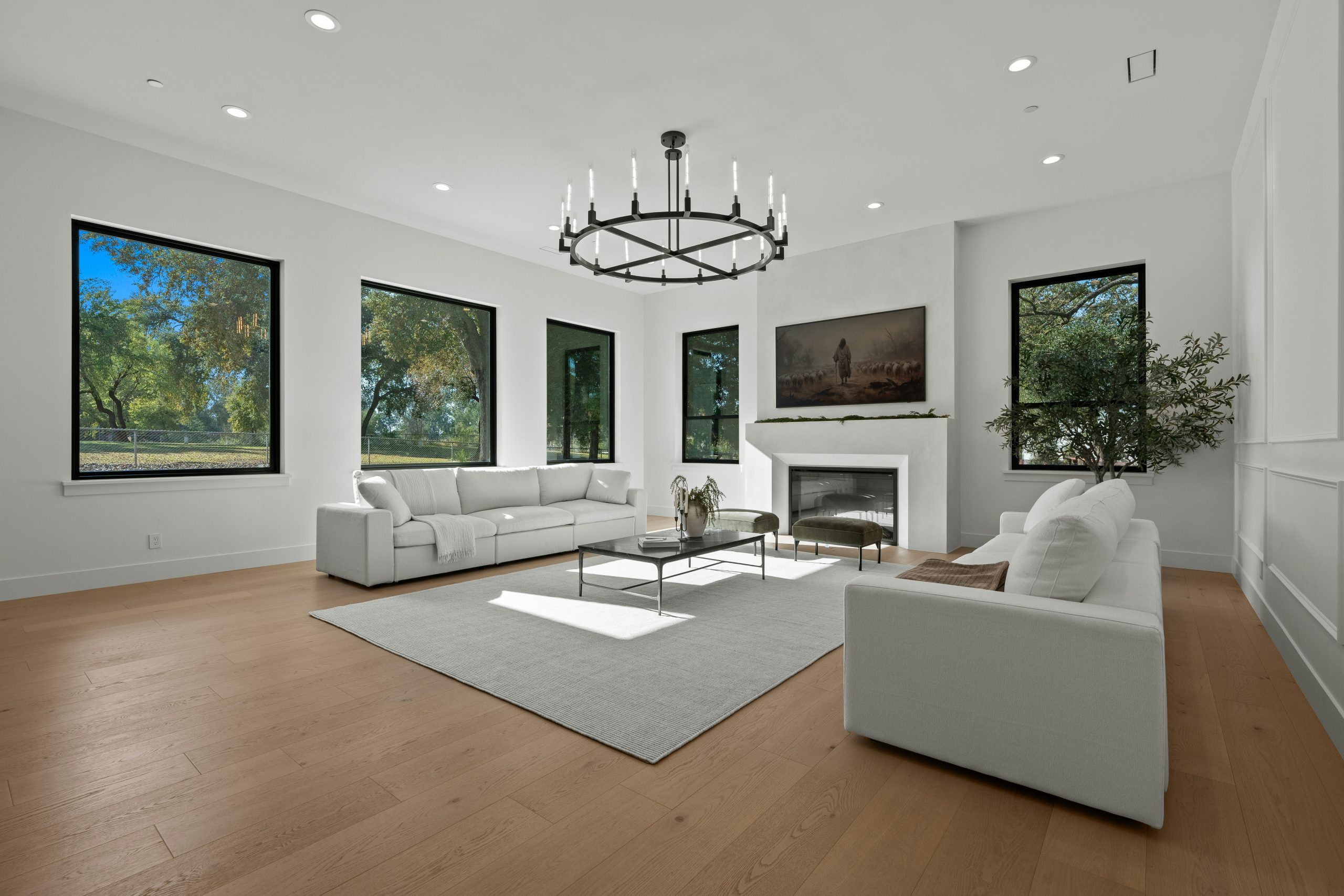
On the flip side, buyers I work with consistently respond well to fully remodeled homes, particularly ones updated top to bottom by a previous owner or investor rather than a flip done purely for resale. One buyer touring homes with me recently specifically wanted a house that had already been thoughtfully renovated rather than something she’d need to gut herself, and was equally clear that she didn’t want a neighboring lot redeveloped into a house so tall it would block her view.
Interior design taste shows up as a real factor here, too. Some Charleston buyers arrive with strong, specific design opinions of their own, sometimes from a design background, sometimes just from years of watching renovation shows, and either want a home that’s already been reworked to a high standard, or plan to invest meaningfully in reshaping a home to match their own aesthetic after closing. Both are completely reasonable paths. The key is knowing which one you’re actually signing up for before you write an offer, since a “cosmetic update” and a “gut renovation” are very different budgets and timelines.
Understanding the Pricing Dynamic
There’s also a pricing dynamic to understand before you tour. In a neighborhood where the median home price is well into seven figures, being the more attainably priced, move-in-ready option in an otherwise expensive block can be a genuine advantage. You get the location and the views without competing for the very top of the market. Discuss this strategy directly with your agent rather than assuming the highest-priced listing is automatically the best fit.
Have questions about relocating from Charleston to Seattle for your specific situation? Text HOME to 206-245-8813 and I’ll reach out to help.
What Actually Changes When You Move from Charleston to Seattle
A few practical differences matter before you start touring homes in earnest:
- Walkability and transit. As noted above, Seattle scores meaningfully higher than Charleston on both walkability and public transit access, a real factor if daily errands on foot matter to you.
- Climate. Seattle’s marine climate means no scorching Lowcountry summers and no hurricane season, but also far more overcast days than Charleston sees. Experience a full Pacific Northwest winter firsthand, or at least talk to someone who has, before committing.
- Home prices. Seattle prices generally run well above Charleston’s. Recent Redfin housing market data puts Seattle’s median sale price in the high $800,000s citywide, with individual neighborhoods ranging considerably higher or lower depending on location and inventory. Charleston, by contrast, has recently been recognized by the National Association of REALTORS as a top homebuying hot spot, reflecting stronger relative affordability there. Understanding that price gap up front helps set realistic expectations before you start touring.
- Housing age. As covered above, expect an older overall housing stock, with more variation in mechanical systems and layout than newer Southern construction.
- Seasonal timing. Like much of Greater Seattle, inventory in these neighborhoods tends to rise heading into spring, with more competition, and often higher prices, from April through June. If you’re planning a tour trip, timing it outside peak season can mean less competition for the same homes.
The Cost of the Move Itself
Beyond the home price, budget for the physical move separately. A full household move covering this kind of distance is a meaningfully larger expense than a local move. Get a written estimate from more than one mover well before your target closing date rather than assuming a rough number will hold.
A few things to plan around before you commit to a moving date:
- Get multiple written moving quotes, not just a phone estimate, since long-distance cross-country moves can vary widely based on home size, timing, and whether you need full-service packing.
- Coordinate the sale of your Charleston home with your Seattle purchase timeline early. This is one of the most common places relocation buyers run into stress, whether that means a rent-back arrangement, a bridge loan, or simply building in a longer closing window.
- Plan a tour trip before you commit to an offer, ideally covering more than one neighborhood, so you’re not deciding based on photos and a single afternoon.
- Talk to your lender about out-of-state financing early, since some loan products and rate locks work differently when you’re purchasing from out of state.
This is exactly the kind of logistics conversation to have with your agent early, not after you’ve already found the house you want.
Practical Differences to Know Before You Tour
A move like this touches more than the housing search itself. Two areas tend to catch Charleston buyers off guard once they’ve settled into a new home.
Home maintenance shifts with the climate. Seattle’s wetter, milder climate means different maintenance priorities than Charleston’s heat and humidity. Roof and gutter upkeep, moss prevention, and drainage around the foundation tend to matter more here, while the intense AC and hurricane-prep concerns common in the Lowcountry largely fall away. It’s a different maintenance rhythm, not a harder one, so learn it rather than assuming your Charleston home-maintenance habits will transfer directly.
The remodel market works differently here. If you’re planning to update a home after closing, Greater Seattle’s contractor and permitting timelines often run longer than what buyers coming from faster-growing Southern markets are used to, particularly for larger structural or historic-home projects. Building in extra time on both ends, permitting and contractor scheduling, will save you a lot of frustration if a renovation is part of your plan.
Frequently Asked Questions
Is it expensive to move from Charleston, SC to Seattle, WA?
A full household move over this distance is a real budget line item on top of the home purchase itself, and Seattle home prices generally run higher than Charleston’s. Get a written moving estimate early and build both costs into your overall relocation budget.
What Seattle neighborhoods feel most like Charleston?
No neighborhood is a direct match, but buyers coming from Charleston’s walkable, historic, water-adjacent core often gravitate toward Queen Anne, Edmonds, Kirkland, Laurelhurst, or West Seattle for a similar combination of walkability, water proximity, and older housing character.
Should I buy a historic home or a remodeled home when relocating to Seattle?
It depends on your tolerance for renovation. Historic homes often come with charm and views but may lack central air, have dated layouts, and raise questions about long-term structural condition. Fully remodeled homes cost more upfront but remove most of that uncertainty, a tradeoff to discuss neighborhood by neighborhood with a local agent.
How long does it take to plan a relocation move from Charleston to Seattle?
Most out-of-state relocation buyers benefit from at least one tour trip before writing an offer, plus time to coordinate financing, a Charleston home sale if applicable, and a moving timeline. Starting the conversation with a local agent several months ahead of your target move date gives you more flexibility on both ends of the transaction, and more time to actually see multiple neighborhoods rather than rushing a decision on a single weekend trip.
If you’re weighing a move like this yourself, my downsizing guide for empty nesters, guide to buying a home in Seattle, and Seattle neighborhood guide for home buyers are good next stops for the broader logistics and a deeper look at neighborhoods beyond the five covered here. If Shoreline is also on your list, my guide to buying a home in Shoreline covers common pitfalls to watch for there.
Ready to talk through what relocating from Charleston to Seattle looks like for your situation? Text HOME to 206-245-8813 and I’ll reach out to set up a conversation, no pressure, just a straightforward look at your options.
Or visit HomeProAssociates.com’s guide to buying a home in Seattle to browse listings and learn more.

About the Author: Emily Cressey
Emily Cressey is a relocation specialist and REALTOR® with HomePro Associates at Keller Williams Greater Seattle, helping buyers move to the region for a new job, retirement, or just a fresh start! She has a dedicated relocation YouTube channel designed to help potential clients understand the best intersection of location, price, and home type for them and their desired neighborhood. Emily’s goal is to help you clarify an overwhelming situation and crystallize the Seattle/Bellevue area’s neighborhoods, commute times, and school options into a clear plan before you ever get on a plane. Having grown up in this area, and with two kids of her own in high school, she knows firsthand how the activities and flavor of different areas impact the experience you’ll have when you move here.
Thinking about a move to the Seattle area? Call or text Emily at 206-245-8813, book a free call. We make real estate EASY for you.
WA Real Estate License #20109399 · Verify at WA DOL
Related reading: Homelessness and Safety in Seattle: What You Need to Know Before You Move