Downtown Bellevue Condos: What Locals Are Really Saying (And What a REALTOR® Thinks)
Should You Buy a Condo in Downtown Bellevue in 2026?
If you’re currently renting in Downtown Bellevue and paying $2,000–$2,500/month or more, buying a condo can make long-term financial sens, but the math depends heavily on which building you choose, what the HOA fees are, and how long you plan to stay. Downtown Bellevue condos typically range from $800,000 to well over $1 million, with HOA fees of $600–$1,200/month. Doing thorough due diligence on reserves, rental caps, and any pending litigation is what separates a smart buy from a stressful one.
One of the things I love about being a local REALTOR® here in the greater Seattle area is keeping my ear to the ground… not just on MLS data, but on what real people are actually saying about their housing decisions. I came across a thread on our local Bellevue subreddit recently where someone asked for honest feedback from owners and residents of the downtown condo buildings, and I couldn’t help but add my two cents to the discussion.

The original poster has lived in Bellevue for five years, paying upwards of $2,500/month for a 500 sq. ft. studio near the Downtown Park, and is now weighing whether to buy.
They listed ten buildings they’d toured
- Astoria at Meydenbauer,
- Avenue Bellevue,
- Bellevue Pacific Tower,
- Bellevue Towers,
- GIS Plaza,
- Library Square,
- Mari Bellevue,
- One Lincoln Tower,
- One88, and
- Washington Square Tower
…and asked for honest resident perspectives on build quality, HOA board dynamics, and real-life complaints. What followed was a genuinely candid community discussion.
I found it fascinating because the questions being asked are exactly what a good buyer’s agent should be helping you answer before you write an offer. So here’s my professional take.

The Buildings: My Honest Take
The Reddit community offered a pretty fair picture of the downtown Bellevue condo landscape.
One long-term Bellevue Towers owner described it positively: great concierge service, responsive maintenance techs on staff, and only minor frustrations over the years. Another Redditor with 10+ years of experience in one of these buildings ranked the options this way:
Avenue Estate and the not-yet-delivered Park Row at the top, with Avenue Residence, Washington Square, Bellevue Towers, and One Lincoln Tower as solid A-tier.
Mari Bellevue, Pacific Tower, GIS Plaza, and Library Square fell to B-tier, with Mari’s pricing flagged as out of step given incoming construction that may affect views.
Here’s what I’d add as a local real estate professional:
Bellevue Towers (completed 2008, 539 units across two towers) is one of the larger condo communities downtown. Size is actually a meaningful factor for HOA stability — more units means costs are spread more broadly, which makes budgets more predictable. Full concierge service and maintenance staff on site are genuinely valuable amenities that also help with resale.

One Lincoln Tower (completed 2006, 148 units) is boutique luxury. It’s worth noting that the highest-priced downtown Bellevue condo sale in 2025 was a 30th-floor unit here, which closed at $5.05 million according to Downtown Bellevue’s 2025 condo market review. Boutique buildings have a different ownership culture — expect a tighter-knit HOA community, for better or worse.
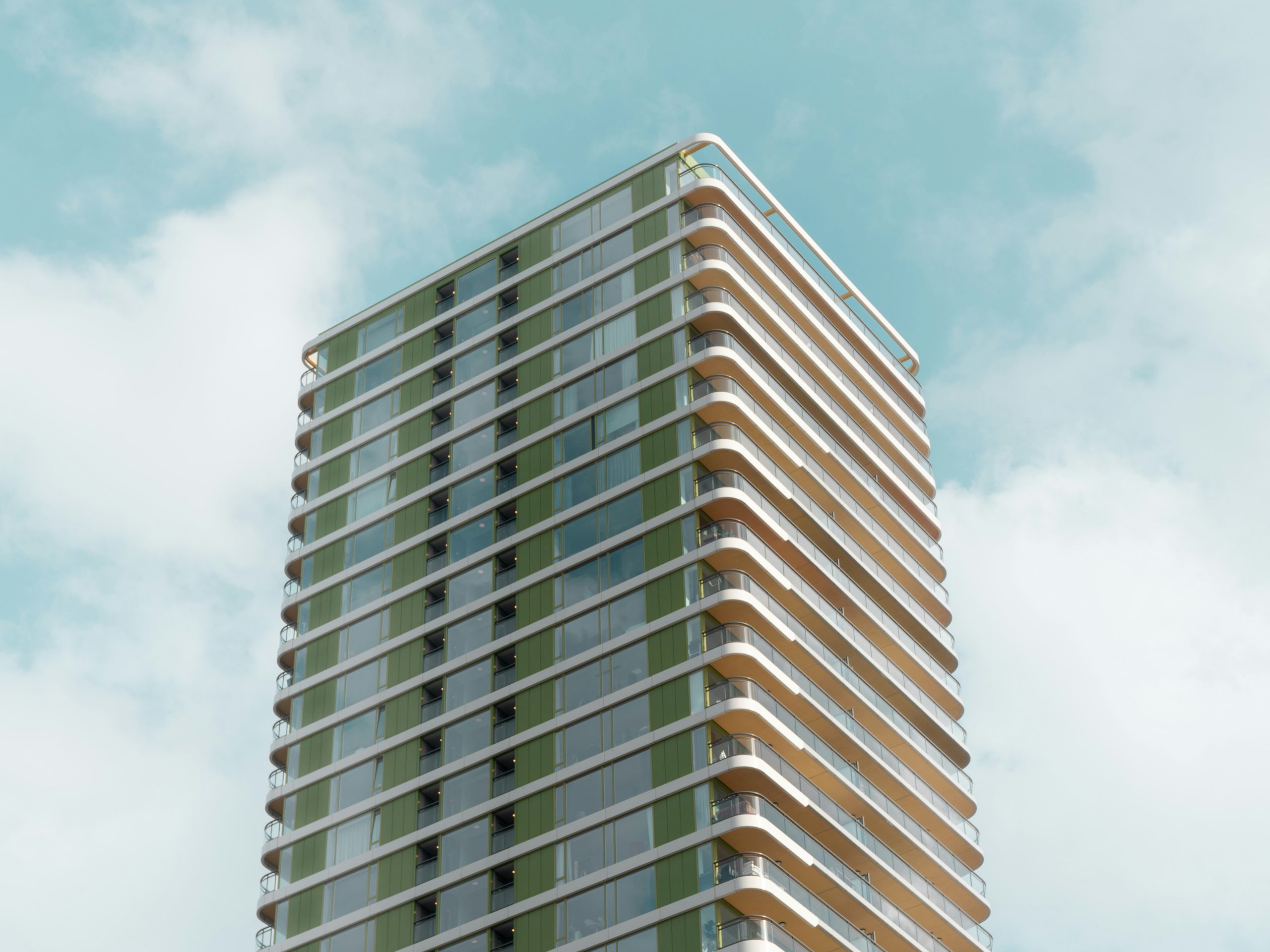
One88 (completed 2020, 147 units) drew the most Reddit discussion because of an active litigation disclosure. Multiple commenters — including someone who had previously owned at Bellevue Towers during a similar process — correctly pointed out that this type of HOA litigation is extremely common in newer buildings. What’s typically happening: the HOA is suing the developer before the warranty expires to recover costs for construction defects or repairs. If the HOA wins, the developer pays — not the owners. One commenter noted that One88 recently changed management companies and HOA fees are actually trending down. That said, litigation status does affect financing: certain conventional and FHA loan products cannot be used in buildings with pending HOA litigation, so verify warrantability with your lender before you fall in love with a unit.
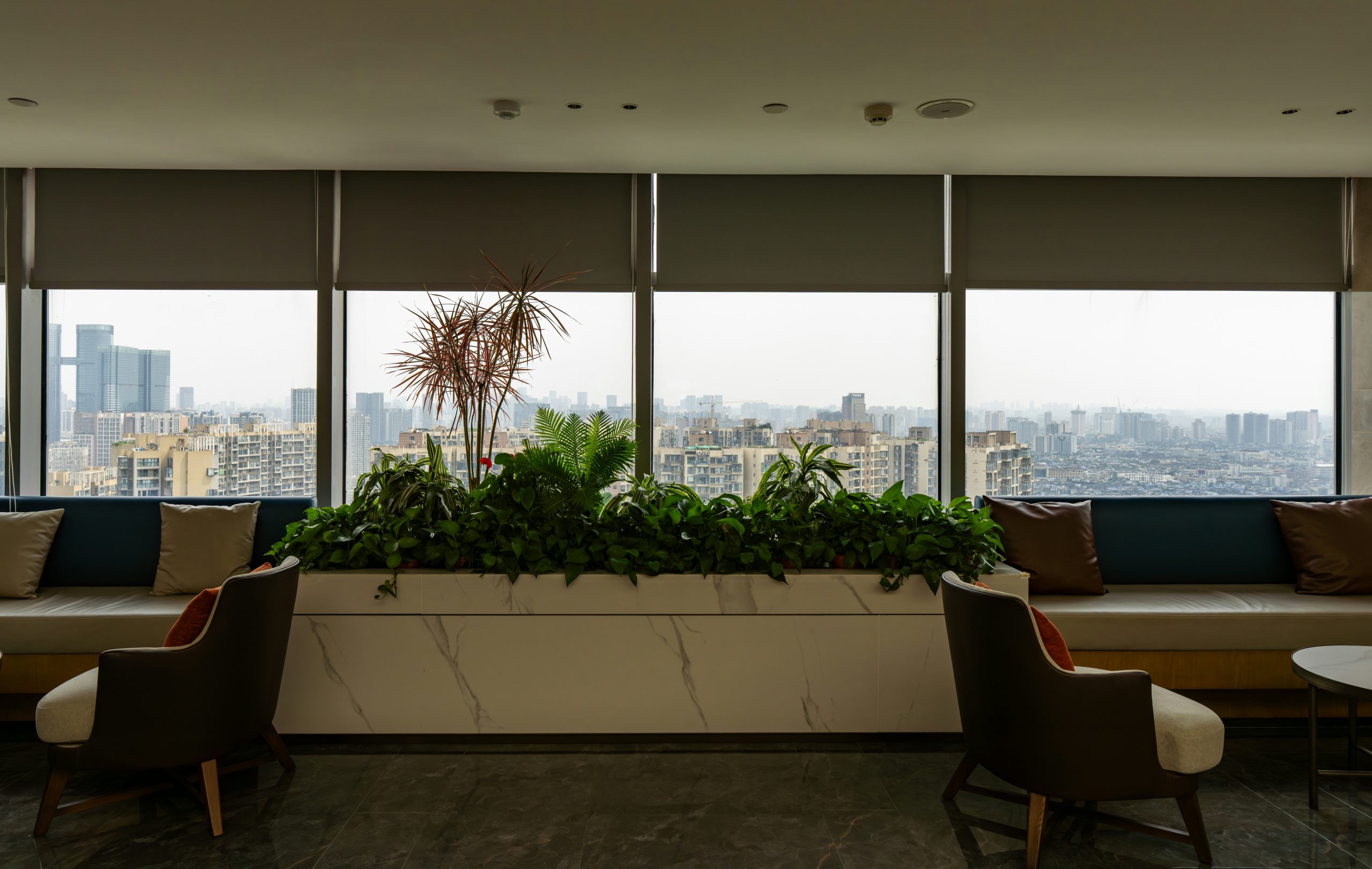
Mari Bellevue and construction impacts — one experienced Redditor flagged that Mari’s pricing seems optimistic given that planned nearby construction (the Pinnacle development) will block views from units in certain exposures. The thread’s original poster also noted that north and northeast-facing units at One88 face a similar challenge with the development between Safeway and Soma Towers. Before making any offer, I always recommend checking the City of Bellevue’s e-permitting portal for active construction permits near a building you’re considering. Views that exist today aren’t guaranteed tomorrow.

Have questions about evaluating a specific downtown Bellevue condo building? Text HOME to 206-245-8813 and I’ll reach out to talk through what I know about the building you’re looking at.
The Questions You Should Be Asking Before You Buy
Beyond which building has the best location, here are the factors that actually determine whether a downtown Bellevue condo purchase is the right move for you:
What’s in the reserve study? A reserve study is the HOA’s long-term capital planning document — it tells you whether the building has adequately set aside money for major future repairs (roof, elevators, common area systems, parking structures). Washington State condominiums are required to conduct reserve studies, but the quality and compliance varies. If reserves are underfunded, you’re at risk of a special assessment down the road. Request the most recent reserve study during your inspection period and have a professional review it if anything looks off.
What do the HOA fees actually cover — and are they sustainable? Downtown Bellevue high-rises typically run $600–$1,200/month in HOA dues. That range matters enormously to your total monthly housing cost. A unit priced at $900,000 with $1,200/month in HOA dues costs significantly more to carry each month than a similar unit with $600 in dues. Always model the full monthly picture: mortgage + HOA + property taxes — not just the purchase price. You can look up current property tax assessments for any Bellevue parcel on the King County Assessor’s website.
What’s the rental cap? Most downtown condo buildings limit the percentage of units that can be rented out at any given time. You may be buying as a primary residence today, but life changes — job relocation, relationship changes, a new property purchase. If the building is already near its rental cap, you’d have very limited ability to rent your unit if you ever needed that flexibility. A few of the buildings the Reddit thread mentioned are reportedly close to their limits. Confirm this before you go under contract.
Is the condo warrantable? Lenders classify condos as “warrantable” or “non-warrantable,” and non-warrantable condos — which can include buildings with active litigation, high investor concentration, or other flags — cannot be financed with conventional Fannie Mae or Freddie Mac loans. This matters not just for your own purchase, but for future resale: a non-warrantable building limits your pool of future buyers to cash purchases or portfolio loans, which puts downward pressure on your exit price. Always confirm warrantability with your lender before submitting an offer.
The Rent-vs-Buy Math in Downtown Bellevue
This is the real question underneath the Reddit thread. If you’re paying $2,500/month for 500 square feet — and your rent jumped 8% last year — does buying actually pencil out?
The honest answer is: not on monthly cash flow alone. If you purchase a one-bedroom condo in Downtown Bellevue at $900,000 with 20% down, your principal and interest payment at current mortgage rates runs approximately $4,200–$4,500/month. Add $900/month in HOA fees and roughly $1,250/month in property taxes, and you’re looking at a total monthly carrying cost of around $6,350–$6,650 — far more than what you’re paying in rent.
So why buy? Because the rent-vs-buy comparison is a long-game analysis. Every mortgage payment builds equity in an asset you own. Bellevue’s condo market saw the median resale price come in at $900,000 in 2025, and while that’s a slight softening from prior years, Bellevue’s long-term price trajectory — driven by a highly concentrated tech employment base and constrained housing supply — has historically rewarded buyers who held for five years or more. Rent, by contrast, builds zero equity and is subject to annual increases, as the Reddit poster experienced firsthand.
The decision to buy in downtown Bellevue is less about monthly cash flow and more about whether you’re ready to make a 5–10 year commitment to the area. If you are, the equity, stability, and long-term financial position of ownership typically win out. If you’re not sure you’ll be here that long, renting a while longer is the more conservative move. I’ve written more about this in my post on Rent vs. Buy in Seattle in 2026, if you want to dig deeper into the math.
And if you’re wondering whether you even qualify to buy at these price points, check out my post on how much house you can actually afford on $150K income in King County — it walks through the real numbers.
Frequently Asked Questions
HOA litigation in a newer building typically means the homeowners association has filed suit against the developer to recover costs for construction defects or repairs — and this is very common in buildings less than 10 years old. If the HOA wins, the developer pays for repairs rather than the owners. The downside is that active litigation can make the building non-warrantable, limiting which loan products you can use to purchase and which buyers can purchase from you when you sell. Always confirm the litigation status and ask your lender to run a warrantability check before making an offer.
Property taxes on downtown Bellevue condos in the $800,000–$1.2 million range typically run $12,000–$18,000 per year. The exact amount depends on the assessed value, which the King County Assessor updates periodically. You can look up the current assessed value and tax history for any specific property at the King County Assessor’s website before you make an offer.
Downtown Bellevue condos can be a strong long-term investment if you’re buying as a primary residence and planning to hold for at least 5–7 years. The combination of Bellevue’s employment concentration, limited land supply, and proximity to major tech campuses has historically supported price appreciation. However, buyers should be aware that 2024–2025 saw the condo segment soften more than single-family homes, and HOA fees in high-rises add significantly to total carrying costs. Buying a condo as a pure rental investment requires careful attention to the building’s rental cap — many downtown buildings restrict how many units can be rented at once.
HOA fees in Downtown Bellevue high-rises typically range from $600 to $1,200/month for a one-bedroom or two-bedroom unit. Newer luxury buildings tend toward the higher end; older buildings with fewer amenities tend toward the lower end. These fees typically cover building maintenance, concierge services, amenities, insurance on common areas, and reserves. Always request the full HOA financial package — including the reserve study and the most recent budget — before closing.
Local residents and real estate professionals consistently mention Bellevue Towers and One Lincoln Tower as the most established and well-run buildings for value and location in the core downtown area. The newer Avenue Bellevue (Avenue Residence and Avenue Estate) is also highly regarded. Park Row Bellevue is anticipated to be top-tier when it delivers, though it’s not expected to complete until late 2029. The right building ultimately depends on your budget, lifestyle preferences, and how the specific unit’s HOA finances look when you dig in.
Ready to talk through what buying a downtown Bellevue condo looks like for your specific situation? Text HOME to 206-245-8813 and I’ll reach out to set up a conversation — no pressure, just a straightforward look at your options.
Or visit HomeProAssociates.com to browse listings and learn more.
For the full neighborhood overview, see my Bellevue neighborhood guide.

About Emily Cressey
Emily Cressey is a REALTOR®, Broker, and Team Lead at HomePro Associates, affiliated with Keller Williams Greater Seattle. She has served buyers, sellers, and investors throughout King and Snohomish counties for over 20 years, specializing in investment properties, rental properties, luxury homes, and residential real estate. Emily holds designations as a Certified Probate Real Estate Agent (CPREA) and KW Real Estate Planner.
WA Real Estate License #20109399 · Verify at WA DOL
Reach her at 206-245-8813 or HomeProAssociates.com.
Related reading: HOA Special Assessments in Fremont: How to Protect Yourself

About the Author: Emily Cressey
Emily Cressey is a Seattle-area buyer’s agent and REALTOR® with HomePro Associates at Keller Williams Greater Seattle, specializing in relocation, first-time buyers, buy-sell transactions, downsizers, and new construction purchases across King and Snohomish Counties. A real estate investor since 2002 and a licensed broker since 2008, she grew up in Shoreline, WA and has guided buyers through every kind of market to help them find a home they love that will be a profitable long-term investment. Emily says, “My goal is to educate buyers so they make confident decisions.”
If you’re thinking about a move, reach out to Emily here. Call or text 206-245-8813 or visit HomeProAssociates.com. We make real estate EASY for you.
WA Real Estate License #20109399 · Verify at WA DOL