Buying a New Construction Townhome in Seattle? Read This First
Are new construction townhomes in Seattle a good buy? New construction townhomes in Seattle can be a smart entry point into a pricey market, but they carry real tradeoffs (shared maintenance with no HOA to manage it, tight parking, privacy issues, and softer resale) that the on-site sales team will not walk you through. Know them before you sign.
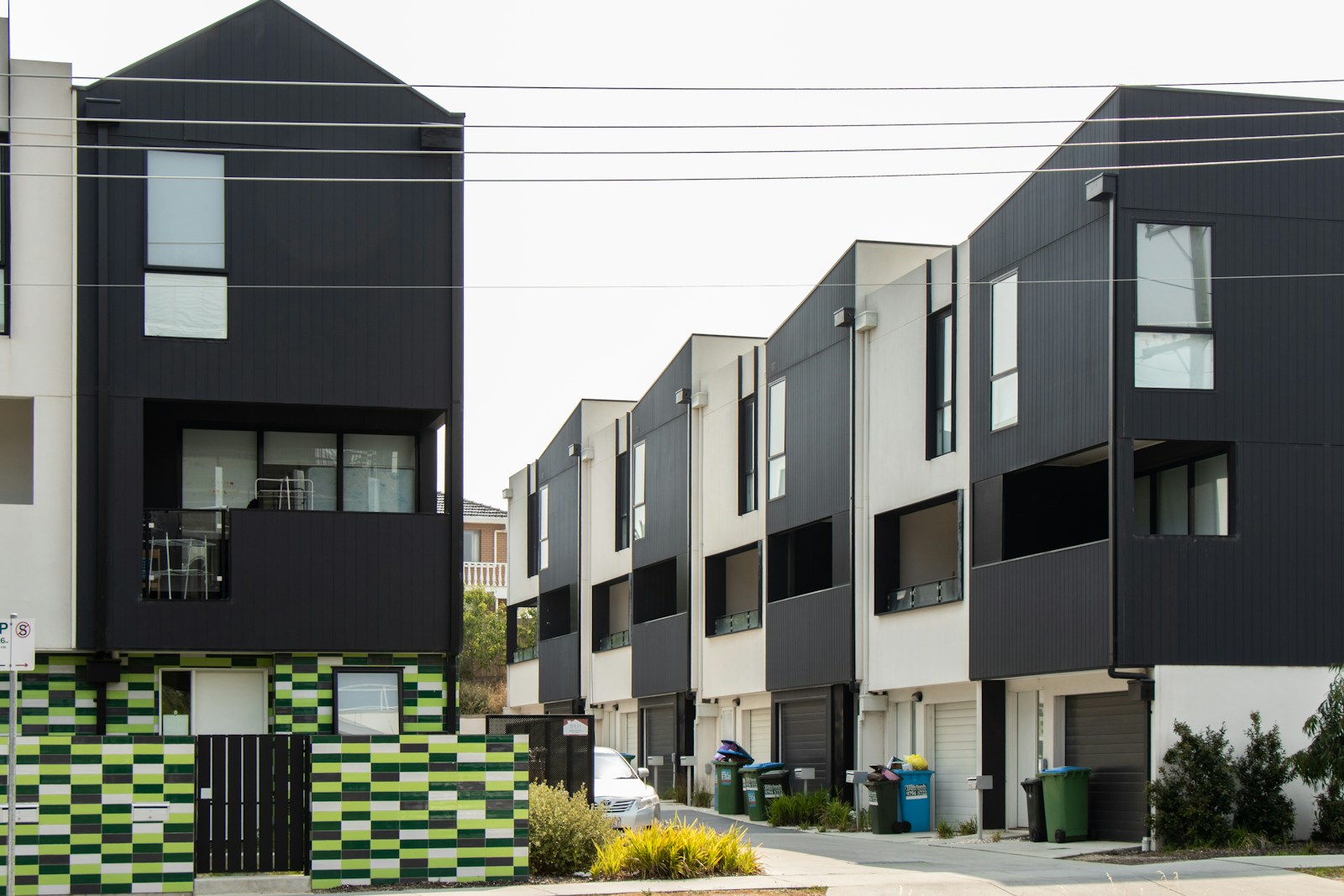
Walk into almost any newer Seattle neighborhood and you will see them: crisp, skinny, three-story townhomes standing in tidy rows of four, five, or six, often tucked onto a lot where a single older house used to sit. They are everywhere from Ballard to Beacon Hill, Columbia City to Greenwood, and out into the Eastside and South Snohomish County too. For a lot of buyers, especially first-timers and people relocating to Seattle, they look like the answer: something brand new, in the city, for less than a detached house.
And yes, sometimes they are the answer. But a townhome is not a small single-family house. It is a different animal with a different set of long-term obligations, and the person showing it to you on a Saturday afternoon works for the builder, not for you. Their job is to get the units sold. Your job is to buy the right home and not inherit a headache.
So let me play the role I would play if you were my client standing in that shiny new unit: the friend who pulls you aside and says, “Love it. Now let me tell you what to check before you fall for it.” Here is the honest list.
First, the good news (because there is some)
I am not here to talk you out of a townhome. Plenty of my buyers have bought new construction townhomes in Seattle and been thrilled. Here is what genuinely works in their favor.
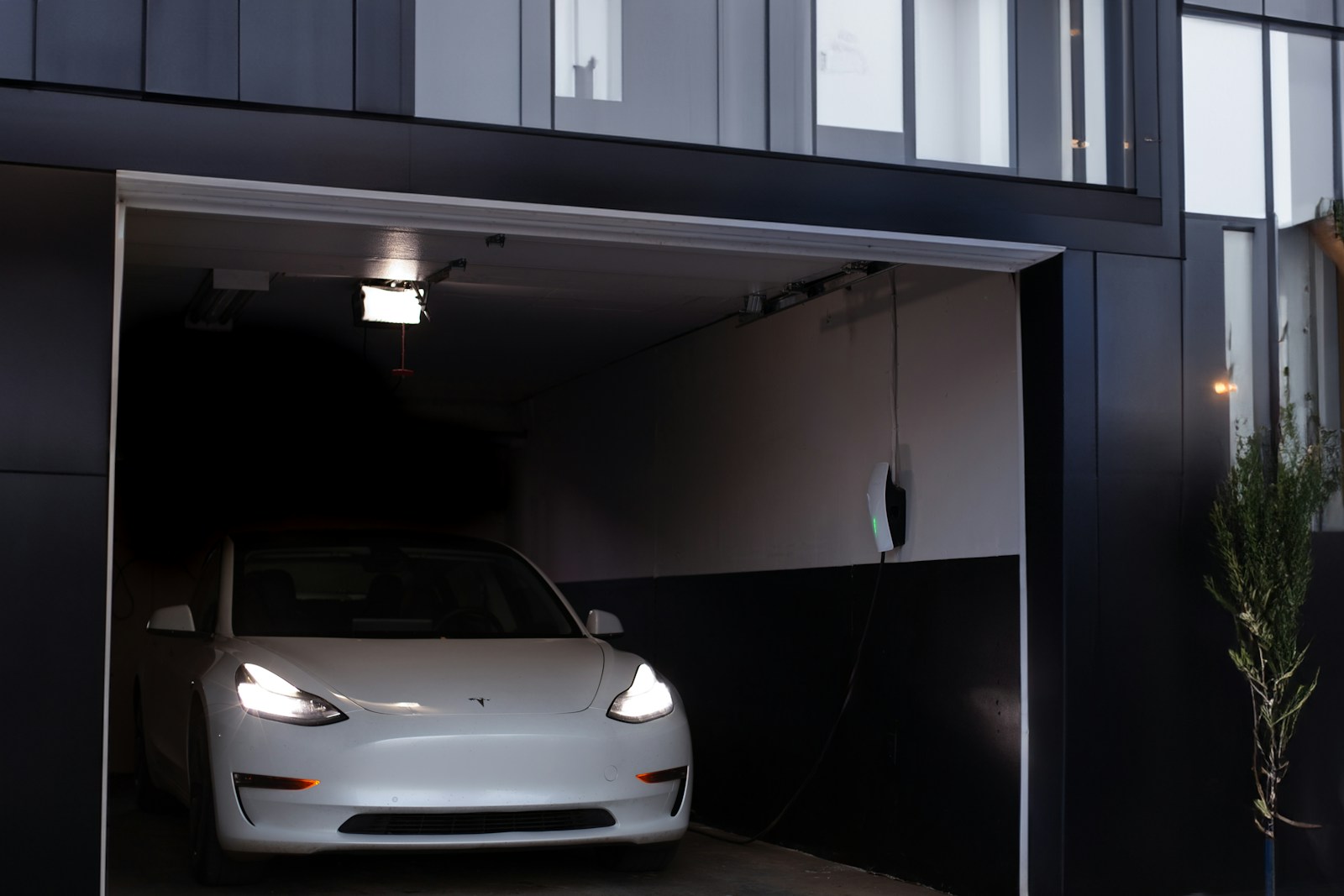
You get a brand new home. Nothing has broken yet, the systems are current, and most builders include a warranty on workmanship and major systems for the first year or two. You get modern layouts, good insulation, and energy efficiency that a 1950s bungalow cannot touch. You often get a location inside the city that would be flat-out unaffordable as a detached house, which is exactly why townhomes show up so often when buyers run the numbers on how much house you can actually afford in King County. And here is one I always point out: many newer townhomes come with EV charging already roughed in or installed, which is a real perk if you drive electric and a nice resale bonus down the road.
That is the pitch, and it is a fair one. Now let me earn my keep and tell you where these homes bite.
Concern #1: Shared maintenance with no HOA to run it (the CC&R trap)
This is the big one, and it is the one buyers understand the least.
Many Seattle townhome clusters are not condominiums and do not have a funded homeowners association. Instead, the units share responsibility for things like the roof, the siding, the shared walls, and the landscaping through a set of recorded rules called CC&Rs (Covenants, Conditions & Restrictions). The CC&Rs say, in effect, “you four owners are jointly responsible for the roof.” What they often do NOT include is an organization that collects money every month, holds a reserve fund, and actually manages the repair when the time comes.
See the problem? A single-family homeowner saves for their own roof. A condo owner pays HOA dues into a reserve. But in a lot of these small townhome CC&R arrangements, there is no HOA collecting anything and no reserve sitting in the bank. When the roof needs $40,000 in year 15, all the owners have to agree to split it and each write a check on the spot. If one neighbor cannot pay, will not pay, or disputes the bid, enforcement falls to the individual owners, who have to chase it through private negotiation or a lawsuit. As one legal explainer on enforcing CC&Rs when there is no HOA puts it, each owner has the right to sue a neighbor to enforce the rules, but that is a costly, slow, and relationship-souring path.
So here is what I make my buyers do before they get attached:
Read the CC&Rs. The actual document, not the summary. Find out exactly who is responsible for the roof, siding, and landscaping, and whether there is any HOA, any dues, and any reserve fund. If there is an HOA, ask for the budget and the reserve study. If there is not one, understand that you and your future neighbors ARE the maintenance committee, whether you like each other or not.
Ask the hard question out loud: “When the roof needs replacing in 2040, what is the exact mechanism that pays for it?” If nobody can answer cleanly, that is not a dealbreaker by itself, but it is a number you need to start saving for yourself, on your own, from day one.
Concern #2: The fishbowl effect (privacy and those big beautiful windows)
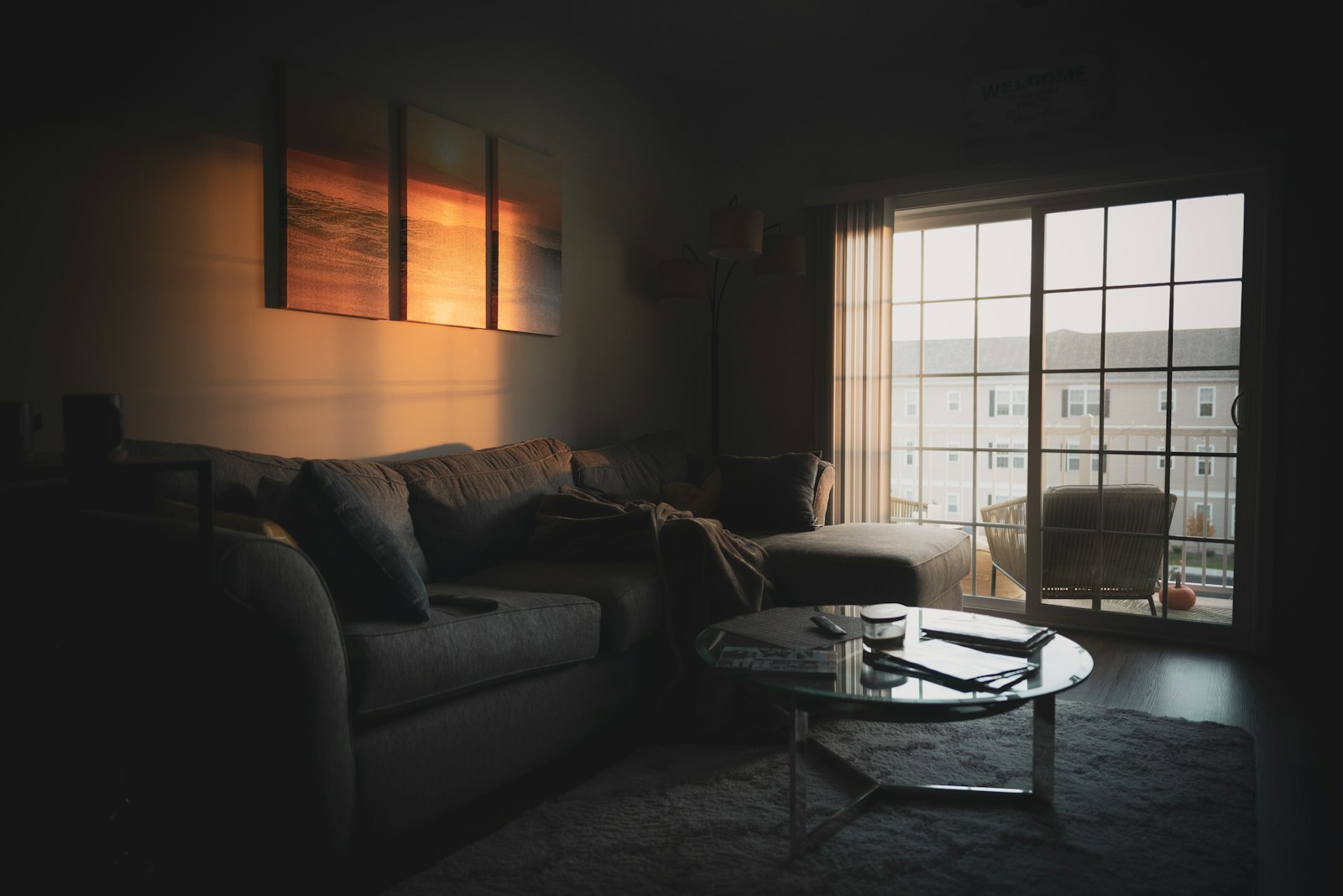
New townhomes love glass. Big windows, lots of natural light, great in the listing photos. Then you move in and realize your living room window looks directly into your neighbor’s living room window, twelve feet away.
During the day it is fine. After dark, when the lights are on inside and it is black outside, every one of those windows becomes a lit stage. You can see into their unit, and they can see straight into yours. I call it the fishbowl effect, and it is the single most common “I did not think about that” complaint I hear from townhome buyers after they move in.
So the real question is not “do I love all this light?” It is “am I going to actually enjoy these windows, or am I going to keep the blinds shut every evening?” Because a home where you live behind closed blinds half the time is not the home you thought you were buying. Stand in the unit, look at where the windows point, and picture 8 p.m. in December. If the answer is “blinds closed,” factor that in.
Concern #3: The basement bedroom problem
A huge number of Seattle townhomes are built tall and narrow, which means the bedrooms get stacked across three floors. Very commonly, the third bedroom lands in the basement or lowest level, two floors down from the primary bedroom.
That layout looks fine on a floor plan and creates real friction in daily life. A bedroom two floors away from the rest of the home is a long way to go at 2 a.m. It is a tougher setup if the people sleeping down there need to be near everyone else, and it is a space a lot of buyers end up using as an office or guest room rather than a true bedroom. That matters for you now, and it matters even more later.
Why later? Because it affects resale. When you go to sell, the next buyer walks the same stairs and does the same math. A “3 bedroom” where the third bedroom is an isolated basement room simply does not command what a 3 bedroom with bedrooms on one level does. You are not wrong to buy it. You just want to buy it with your eyes open and pay a price that reflects the layout, not a premium as if all three bedrooms were equal.
Concern #4: Parking (can you actually fit your car in there?)
This one is almost funny until it happens to you.
The cheapest units in a townhome cluster often come with NO dedicated parking at all. And when parking IS included, the garages and tuck-under spaces are frequently built to the tightest dimension the code allows. I have watched buyers tour a unit, love it, and then completely fail to picture the reality of backing a real car into that space every single day.
My own sister learned this buying her first home. The garage was technically a garage. Getting her Honda Accord into it, straight, without folding the mirrors and holding her breath, was a daily project. For a full-size truck or a larger SUV? Often flat-out impossible.
Here is how the parking usually shakes out across a townhome cluster:
| Unit type in the cluster | Typical parking reality | What to check before you buy |
|---|---|---|
| Lowest-priced units | Often no assigned parking at all | Where will you actually park, every day, in winter? |
| Mid-tier units | One tuck-under or surface space, tight | Bring your real car and try the actual maneuver |
| Garage units | Single garage, minimum-width | Measure it. Fit your vehicle, not a compact rental |
| Any unit with EV | Charging often included, a real plus | Confirm it is installed and working, not just “roughed in” |
The rule is simple: do not buy a parking space you have not personally test-driven your own car into. If you drive a truck, be especially careful. And if the unit has no parking, be brutally honest about what street parking near it is really like, which brings me to the next one.
Concern #5: The street parking squeeze is coming (ask Ballard)
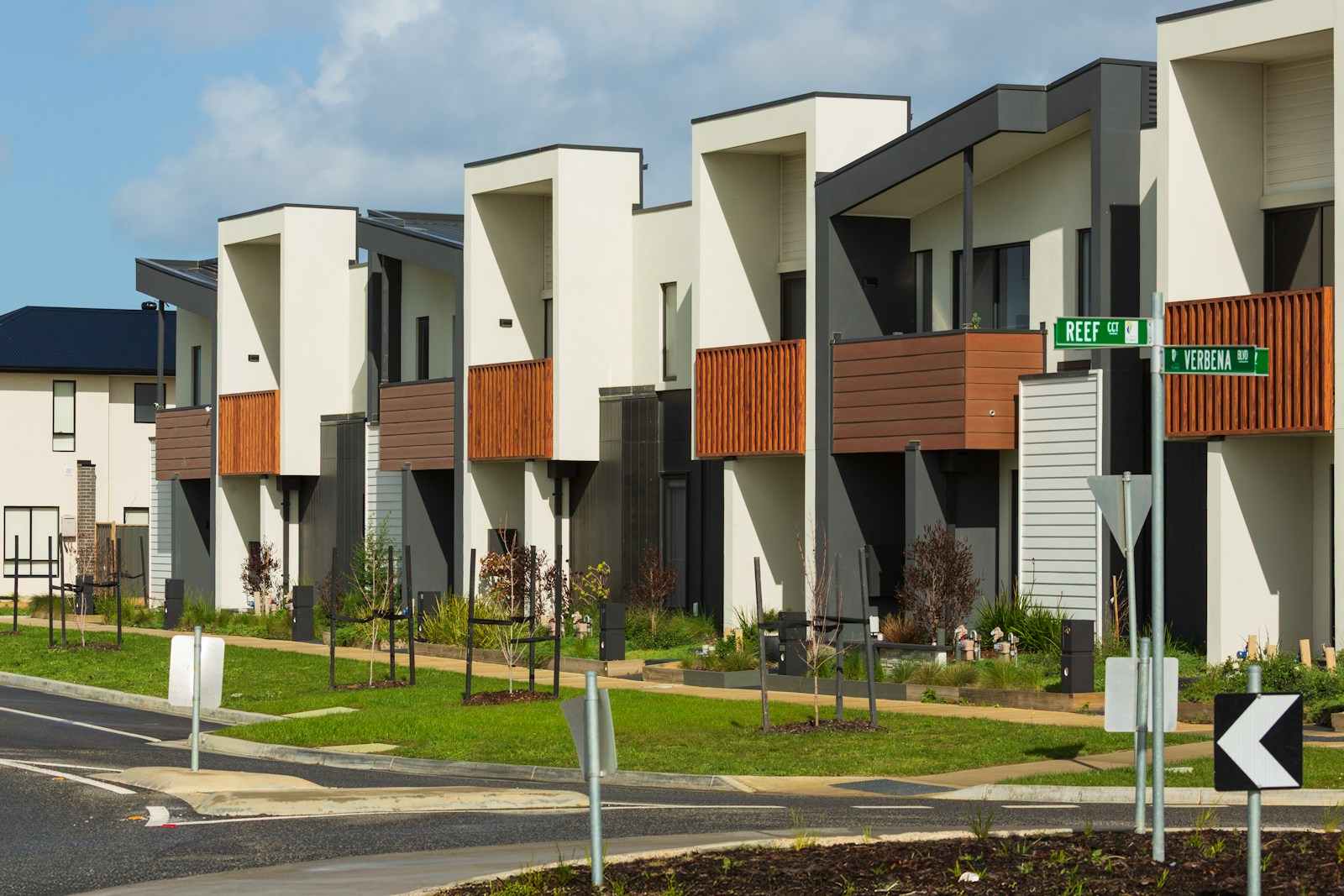
Say the unit has no garage, but there is plenty of on-street parking today. Great. Now think about tomorrow.
Seattle is in the middle of a massive, deliberate shift toward denser “middle housing.” Under Washington’s House Bill 1110, a city the size of Seattle now has to allow at least four homes on lots that used to hold one, and up to six near frequent transit or when some units are affordable. On top of that, the city’s own One Seattle Plan sets a target of at least 100,000 new homes over the next 20 years. That is the engine behind all those five- and six-unit townhome clusters replacing single houses.
Here is what that means for parking. We have already watched it play out in Ballard. A street that comfortably parked the cars of ten single-family homes now has to absorb the cars from dozens of townhome units built on those same lots. Once the whole block converts to high density, the free on-street parking you counted on when you bought gets very, very congested. The spot in front of your door today is not promised to you tomorrow.
So when a sales agent waves at the open curb and says “parking is easy here,” remember you are looking at a snapshot of a block that is actively being rebuilt denser. Plan for the version of the street that exists in ten years, not the one you see today.
Concern #6: How will resale really hold up?
Right now your townhome has that new-construction feel. Fresh paint, nobody else’s scuffs, the newest finishes. That feeling is worth something, and buyers pay for it.
But that feeling has a shelf life. Fast forward several years. Your unit is no longer new. Meanwhile, the city kept building, and there are now newer townhomes a few blocks over, plus a fresh crop of five-unit clusters that did not exist when you bought. To the next buyer, yours is not “new construction” anymore. It is another used townhouse in an increasingly crowded area, competing against genuinely new inventory and against every other near-identical unit in your own cluster.
That is the resale risk in one sentence: you buy the newest thing on the block, and then the block keeps getting newer things. When several nearly identical units in your cluster hit the market at once, price competition is fierce because buyers can barely tell them apart. It is the same dynamic driving the widening gap between condos and houses in Seattle: more attached inventory competing for the same buyers. None of this makes a townhome a bad buy. It makes it a buy where you should not overpay for the “new” premium, because you will not be the one selling “new.” (When that day comes, my guide on how to sell a townhouse in Seattle walks through exactly how to stand out in a crowded field.)
Concern #7: The costs that move after the sign says otherwise
The pretty number on the builder’s sign is a starting point, not a promise. Two costs in particular tend to drift upward after you have signed.
Property taxes. That gleaming new building gets assessed at its full new-construction value. The King County Assessor values the completed home, and the tax bill that follows is often higher than whatever placeholder figure floated around while it was under construction. Do not budget off an estimate from before the building existed.
HOA or shared-maintenance dues. If there is an HOA, the dues advertised while the builder still controls the association have a habit of rising once the builder hands control to the owners and the real costs of maintaining the property show up. Ask what the dues cover, what the reserve looks like, and how much they have moved at the builder’s other completed projects.
And one more that catches people mid-move: builders do not always finish on time. Construction runs late for a hundred reasons. If your closing depends on the building being done, and your lease is up or your current home is already sold, a delay can leave you scrambling. Build a cushion into your timeline and never assume the builder’s completion date is firm.
Here is a quick way to hold all of this in your head:
| The concern | Why it bites | How you protect yourself |
|---|---|---|
| CC&Rs, no HOA reserve | Big shared repairs with no money saved for them | Read the CC&Rs; start saving for the roof yourself |
| Fishbowl windows | Privacy after dark; blinds always closed | Visit at night; picture December at 8 p.m. |
| Basement 3rd bedroom | Daily friction and weaker resale | Price the layout realistically; do not pay a full-3BR premium |
| Tight or no parking | Cannot fit your car; no daily spot | Test-drive your actual car into the actual space |
| Street parking squeeze | Density is coming to your block | Plan for the crowded future street, not today’s |
| Softer resale | The block keeps getting newer units | Do not overpay for a “new” you will not resell |
| Rising taxes and dues | Advertised numbers drift up | Verify with the assessor; ask about dues history |
| Builder delays | Your move gets stuck | Build a timeline cushion; keep housing flexibility |
So should you buy one? Here is how to do it safely
None of this means “never buy a Seattle townhome.” I have helped buyers get into excellent ones. It means buy like a grownup who read the fine print. Two things protect you more than anything else.
Get your own home inspection. New does not mean flawless. New construction has its own set of common misses, from grading and drainage to rushed finish work, and a good inspector catches things the builder’s crew moved past. Pay for the inspection. It is the cheapest insurance you will ever buy.
Bring your own buyer’s agent, from the very first visit. This is the one I need you to hear clearly, so it gets its own section.
The trap at the sales office: the on-site agent does not work for you
When you walk into a new construction site, the friendly person who greets you works for the builder. Full stop. They are lovely, they are helpful, and their legal and financial loyalty is to the seller, not to you. Anything you tell them about your budget, your timeline, or how much you love the place is information that helps their client, which is the builder.
Here is the part that costs people money: many buyers assume that because they showed up alone, they have to keep going alone, and they give up their right to their own representation without realizing it. In many cases, if you have your own agent bring you or register you on that first visit, your representation is fully covered, often at no cost to you because the builder has already accounted for it. Show up alone, sign in alone, and you may lose that.
So the move is simple. Before you tour ANY new construction townhome in Seattle, call me. Let me register you and come with you, or at minimum coach you on how to protect your position before you sign anything. I read the CC&Rs, I ask the parking and reserve questions the sales office would rather skip, I catch the layout and resale issues, and I negotiate for you and only you. That is the whole point of having your own agent, and it is exactly what the builder’s on-site rep cannot do.
Frequently asked questions about Seattle new construction townhomes
Do new construction townhomes in Seattle have an HOA? Some do and some do not. Many small townhome clusters share responsibility for the roof, siding, and grounds through recorded CC&Rs without a funded HOA or reserve account. Always read the actual CC&Rs and confirm exactly who pays for shared repairs before you buy.
Are Seattle townhomes a good investment for resale? They can be, but resale is softer than for detached homes because the city keeps building newer, near-identical units nearby. To protect your resale, avoid overpaying for the “new construction” premium and pay attention to layout quirks like a basement third bedroom that future buyers will discount.
Why are so many Seattle townhomes built in groups of five or six? Washington’s House Bill 1110 requires larger cities like Seattle to allow at least four homes on lots that once held one, and up to six near frequent transit or with affordable units. Builders maximize those lots, which is why single houses are being replaced by clusters of five or six townhomes.
Do I need my own agent to buy a new construction townhome? Yes. The agent at the sales office represents the builder, not you. Bringing your own buyer’s agent from the very first visit protects your interests and usually costs you nothing, but showing up alone can cost you that representation. Register with your own agent before you tour.
What should I check before signing on a new townhome? Read the CC&Rs and confirm who funds shared repairs, test-drive your own car into the parking space, visit the unit after dark for privacy, verify property taxes with the King County Assessor, ask how HOA dues have changed at the builder’s past projects, and build a cushion in case construction runs late.
Let’s make sure you buy the right one
New construction townhomes in Seattle are neither a trap nor a slam dunk. They are a specific kind of purchase with a specific set of tradeoffs, and the difference between a great buy and an expensive regret usually comes down to what you checked before you signed and whether you had someone in your corner.
That someone is me. I am Emily Cressey with HomePro Associates at Keller Williams Greater Seattle, and I help buyers across Seattle, King County, and the surrounding area buy new construction the smart way, with their own representation and their eyes wide open.
Before you tour a single townhome, let’s talk. Call or text me at 206-245-8813, or reach out through HomeProAssociates.com, and you can browse current listings anytime at HomeProHouses.com. We make real estate EASY for you.

About the Author: Emily Cressey
Emily Cressey is a Seattle-area buyer’s agent and REALTOR® with HomePro Associates at Keller Williams Greater Seattle, specializing in relocation, first-time buyers, buy-sell transactions, downsizers, and new construction purchases across King and Snohomish Counties. A real estate investor since 2002 and a licensed broker since 2008, she grew up in Shoreline, WA and has guided buyers through every kind of market to help them find a home they love that will be a profitable long-term investment. Emily says, “My goal is to educate buyers so they make confident decisions.”
If you’re thinking about a move, reach out to Emily here. Call or text 206-245-8813 . We make real estate EASY for you.
WA Real Estate License #20109399 · Verify at WA DOL