Saltwater Corrosion on Decks: What Edmonds Buyers Should Inspect
What does saltwater corrosion do to decks in Edmonds, WA?
In Edmonds, salt air off Puget Sound measurably speeds up corrosion in deck fasteners and hardware compared to inland areas. Buyers should have the deck inspected during their contingency period before closing.
Why Deck Inspection Matters More in Edmonds Than Almost Anywhere Else
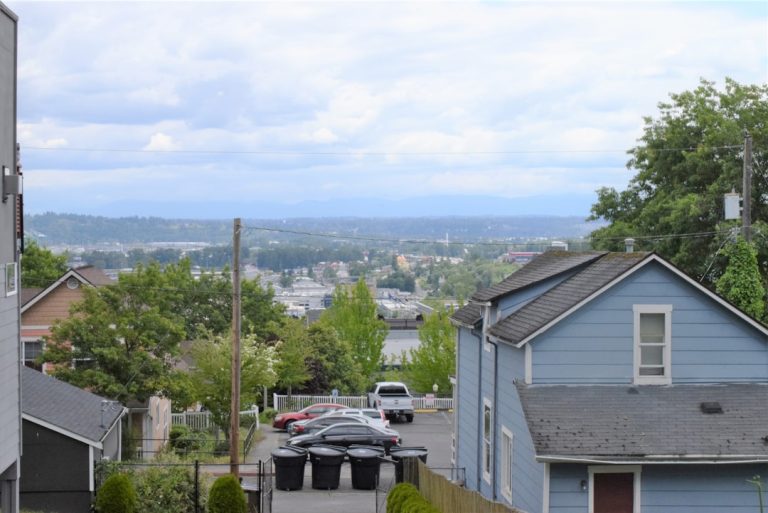
Edmonds sits on a bluff above Puget Sound, with the Kingston ferry terminal a short walk from downtown and one of the most charming waterfront districts in Snohomish County. That proximity to saltwater is one of the city’s biggest draws – and one of its most significant maintenance considerations for homeowners.
Salt air behaves differently than standard moisture. Microscopic salt particles carried on the wind create an electrochemical reaction when they settle on metal surfaces, breaking down protective coatings and accelerating rust at rates far beyond what you’d see in an inland community. Salt air measurably accelerates corrosion of metal hardware compared to interior environments, and for homes closest to the water, particularly those with a view of the Sound, the effect can be visible within just a few years of deferred maintenance.
Decks take the hardest hit because they’re fully exposed: no roof, no protection from wind-driven spray, and constant moisture contact. A beautiful deck that looks structurally sound from the yard can have badly compromised hardware underneath that’s invisible to a casual inspection. This is exactly why knowing what to look for – and what to ask your inspector about – matters so much in an Edmonds purchase.
The Three Places Saltwater Corrosion Strikes First
Joist Hangers and Structural Connectors
The metal hardware connecting deck joists to the ledger board – typically galvanized Simpson Strong-Tie hangers – is designed to last decades in standard conditions. In saltwater environments, the zinc galvanizing breaks down faster than the manufacturer’s ratings assume, especially on the Sound-facing side of an Edmonds home. Look for orange-brown rust staining around the hangers, or a powdery white-gray residue (zinc oxide) indicating the protective coating has been depleted. Either sign means the hardware is actively failing. Replacing corroded joist hangers runs approximately $800–$3,000 depending on deck size and accessibility.
The Ledger Board Connection
The ledger is the dimensional lumber bolted directly to the house framing – it carries the full structural load of the deck. If the flashing around it was poorly installed or has degraded, water (including salt-laden water) pools at this junction and causes rot in both the ledger itself and the house’s rim joist. A failed ledger connection is the primary cause of deck collapses. Washington State licensed home inspectors are required to assess the ledger as part of a standard inspection, but in a time-limited walkthrough, they may not probe it as thoroughly as the situation warrants. Ask your inspector specifically to document the ledger board condition and any visible flashing gaps.
Post Bases and Footings
Wood posts that rest directly on concrete absorb moisture through the end grain – wood’s weakest point for water intrusion. Properly installed post bases elevate the post slightly above the concrete, breaking moisture contact. But those post bases are metal, and if they’re not rated for high-moisture coastal environments – hot-dipped galvanized (HDG) or stainless steel – they’ll corrode well ahead of schedule. Look underneath the deck at the post bases. Visible rust or paint bubbling is a flag worth flagging in your inspection notes. Replacement is relatively affordable if caught early; if the post itself has rotted at the base, repair costs increase significantly.
How to Approach the Deck Inspection During Your Due Diligence Period
Washington State real estate transactions include a negotiated contingency period, commonly around 10 business days under a standard NWMLS Purchase and Sale Agreement (the exact number of days is set per transaction, not fixed by the form itself). Within that window, buyers have the right to conduct inspections and either accept the property, request repairs or a credit, or withdraw from the transaction. Here’s how Emily’s Edmonds buyers typically approach a deck with potential saltwater corrosion concerns:
Start with a standard inspection. A Washington State licensed home inspector will walk the deck, check the structure from underneath, test the railings, and document visible issues. This establishes your baseline and creates a written record you can negotiate from.
Ask the right follow-up questions. Request that your inspector specifically document: the condition of joist hangers and structural connectors, the integrity of the ledger board flashing, whether the hardware is HDG-rated or standard galvanized, and whether the decking material is appropriate for a coastal environment.
Consider a structural engineer’s assessment for older decks. If the deck is more than 15 years old or shows any visible rust, soft spots in the boards, or wobbling in the railings, a structural engineer’s focused assessment ($350–$600) gives you a documented basis for negotiation. It also protects you from taking on structural liability you didn’t understand when you made the offer.
Have questions about the inspection process for a specific Edmonds property you’re considering? Text HOME to 206-245-8813 and Emily will reach out to help you think through your next steps.
Deck Materials and Their Saltwater Corrosion Resistance
The decking boards themselves have varying durability near salt air – but in every case, the hardware underneath is the real limiting factor for longevity.
Pressure-Treated Lumber
The most common decking material in the Edmonds market. The chemical preservative treatment resists rot and insect damage, but the galvanized fasteners holding the boards down are fully exposed to salt air. Annual sealing with a penetrating oil-based stain significantly extends the life of the wood. Without regular maintenance, expect to refinish every two to three years on a Puget Sound-adjacent property.
Composite Decking
Brands like Trex, TimberTech, and Fiberon don’t rot or absorb moisture the way wood does, making composite decking increasingly popular on Edmonds waterfront and near-waterfront properties. The trade-off: composite boards are heavier than wood, which places more stress on the substructure. This makes corrosion-resistant hardware even more critical underneath a composite deck, not less. Don’t let attractive composite boards create a false sense of security about the structure beneath.
Ipe and Cedar Hardwoods
Naturally dense and rot-resistant, these materials are used in many higher-end Edmonds homes and perform well in coastal conditions. They still require regular cleaning and oiling to maintain their integrity. As with all deck materials near saltwater, the fasteners and substructure hardware remain the most vulnerable element – not the boards themselves.

What Deck Findings Mean for Your Offer Negotiations
If an inspection surfaces deck corrosion or structural issues, you have real negotiating leverage. Washington’s Seller Disclosure Statement (Form 17) requires sellers to disclose any known material defects – which includes structural deck issues. But sellers often don’t know about hidden hardware corrosion, because it typically develops out of sight underneath the deck. That’s precisely why your inspection period exists.
When negotiating based on deck findings, a written estimate from a licensed Washington contractor is more persuasive than a ballpark figure. Sellers respond differently to “the inspector noted some corrosion” versus “a licensed contractor quoted $8,200 to replace the hardware and ledger flashing.” A documented estimate gets you a credit or a repair. Emily’s team has helped Edmonds buyers negotiate thousands of dollars in seller credits based on deck and structural findings – it’s one of the most common inspection-based negotiating points in Puget Sound-area transactions.
If you’re also comparing total transaction costs, see our full buyer’s guide to closing costs in Edmonds, WA for context on what the full picture looks like financially. And if you’re exploring nearby Snohomish County communities as well, our Kenmore buyer’s guide covers what’s different about that market. For buyers who need help with down payment funds to leave room for post-closing repairs, our Washington State first-time buyer programs guide covers options that can free up cash for exactly this situation.
| Repair or service | Typical cost range |
|---|---|
| Replacing corroded joist hangers | $800-$3,000 |
| Structural engineer assessment | $350-$600 |
| Partial deck repairs (hardware + boards) | $4,000-$12,000 |
| Full deck replacement (400-600 sq ft) | $15,000-$35,000 |
Frequently Asked Questions
Does saltwater corrosion affect all homes in Edmonds, or just waterfront properties?
Salt air affects homes throughout Edmonds, not just those on the water. Within roughly a quarter mile of Puget Sound, airborne salt particles are concentrated enough to measurably accelerate corrosion on metal surfaces. Homes farther from the Sound are less impacted, but buyers of any property near Edmonds’s waterfront district should factor deck hardware maintenance into their long-term ownership cost estimates.
Can I negotiate deck repairs as part of a Washington State home purchase?
Yes. Washington State Purchase and Sale Agreements include an inspection contingency that gives buyers the right to request repairs or a price reduction based on inspection findings. A licensed contractor repair estimate is your strongest negotiating tool. Sellers can accept the repair request, offer an equivalent credit at closing instead, or decline – at which point you can withdraw from the transaction if the defects are material to you.
What type of deck hardware is rated for saltwater environments?
The International Residential Code (IRC Section R317.3), adopted in Washington State, requires that fasteners for preservative-treated wood be hot-dipped galvanized, stainless steel, silicon bronze, or copper. Standard G90 galvanized hardware – common in inland construction – degrades faster near Puget Sound. Ask your inspector or contractor specifically whether the existing hardware meets HDG or stainless-steel standards. If it doesn’t, factor replacement into your negotiations.
How long is the inspection contingency period in an Edmonds real estate transaction?
Most Washington State Purchase and Sale Agreements include a negotiated inspection contingency period, commonly around 10 business days. Your agent can negotiate a longer or shorter window depending on market conditions, but in Edmonds’s active market, some buyers accept shorter timelines. Do not waive the inspection contingency on a property with a deck near Puget Sound, regardless of competition – the potential structural liability isn’t worth the risk.
What does it cost to replace a full deck in the Edmonds area?
Full deck replacement in the greater Edmonds–Seattle market typically runs $15,000–$35,000 for a standard single-level attached deck (400–600 sq ft), depending on materials and contractor. Partial repairs – replacing corroded hardware and damaged boards while retaining a sound substructure – can run $4,000–$12,000. Get at least two bids from licensed Washington State contractors for any estimate you plan to use in negotiations.
Ready to make a confident, informed offer on an Edmonds home? Text HOME to 206-245-8813 and Emily will walk you through exactly what the deck inspection process looks like for the property you’re considering – no pressure, just a clear-eyed look at what you’re buying.
Or visit HomeProAssociates.com to browse Edmonds listings and connect with Emily’s team.
For the full neighborhood overview, see my Edmonds neighborhood guide.

About Emily Cressey
Emily Cressey is a REALTOR®, Broker, and Team Lead at HomePro Associates, affiliated with Keller Williams Greater Seattle. She has served buyers, sellers, and investors throughout King and Snohomish counties for over 20 years, specializing in investment properties, rental properties, luxury homes, and residential real estate. Emily holds designations as a Certified Probate Real Estate Agent (CPREA) and KW Real Estate Planner.
WA Real Estate License #20109399 · Verify at WA DOL
Reach her at 206-245-8813 or HomeProAssociates.com.
Related reading: Is Edmonds, WA a Good Place to Live? A Local Guide

About the Author: Emily Cressey
Emily Cressey is a Seattle-area buyer’s agent and REALTOR® with HomePro Associates at Keller Williams Greater Seattle, specializing in relocation, first-time buyers, buy-sell transactions, downsizers, and new construction purchases across King and Snohomish Counties. A real estate investor since 2002 and a licensed broker since 2008, she grew up in Shoreline, WA and has guided buyers through every kind of market to help them find a home they love that will be a profitable long-term investment. Emily says, “My goal is to educate buyers so they make confident decisions.”
If you’re thinking about a move, reach out to Emily here. Call or text 206-245-8813 . We make real estate EASY for you.
WA Real Estate License #20109399 · Verify at WA DOL