Where to Live in Edmonds, WA: Finding the Part of Town That Fits You
Where Should You Live in Edmonds? The Short Answer
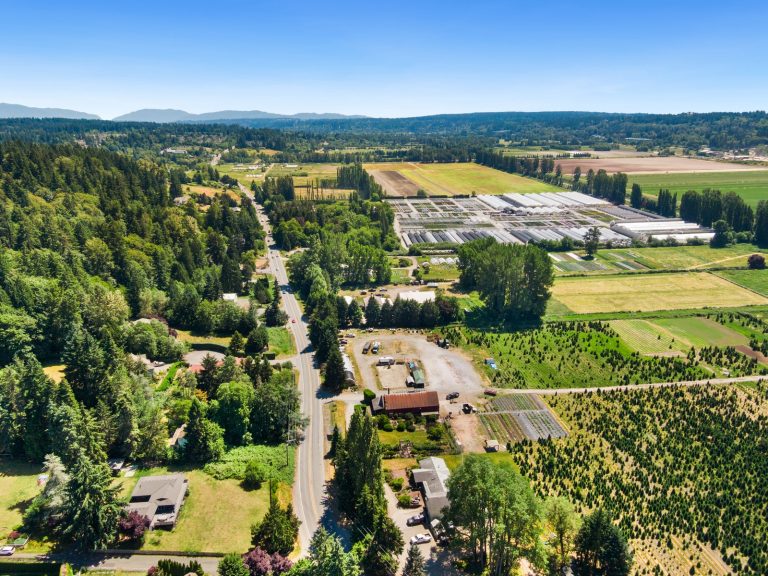
If you want to walk to dinner, the ferry and the beach, look in the Bowl. If you want a bigger yard for less money, look up the hill in Westgate, Perrinville, Five Corners or east Edmonds. If you want the big Puget Sound views, look at the view streets above downtown and in Meadowdale, and go in with your eyes open about slopes. If you want light rail, look east toward Highway 99 and Lake Ballinger. And if you want acreage and privacy, look next door in Woodway.
That’s the cheat sheet. The rest of this post is the longer version I give buyers when we sit down with a map. I live just down the road in Lake Forest Park, I grew up in Shoreline, and I work with buyers and sellers all over this stretch of south Snohomish and north King County, so Edmonds is part of my regular stomping ground. People tend to talk about Edmonds like it’s one place. It isn’t. A condo two blocks from the ferry and a rambler off Highway 99 are both “Edmonds,” and they’re about as different as two homes in the same city can be.
If you’re still deciding whether Edmonds is right for you at all, start with my full guide to living in Edmonds, which covers the beaches, restaurants, arts scene and recreation, and my rundown of the pros and cons of living in Edmonds. This post assumes you’re already sold on the city and want to know which part of town fits you.
How Edmonds Is Laid Out
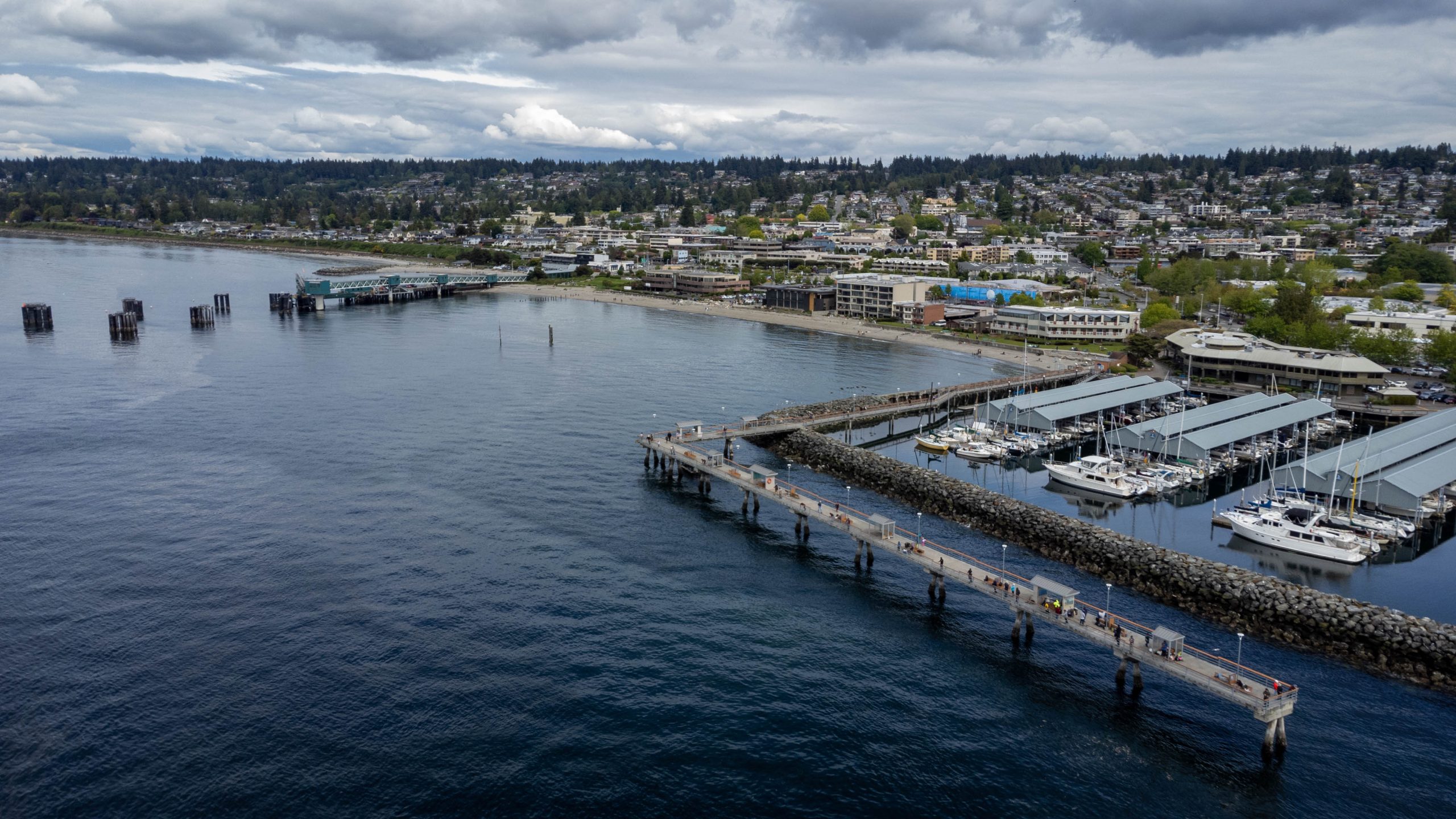
Here’s the simple mental map I use. Edmonds runs from the Puget Sound shoreline on the west to Highway 99 and the I-5 side of town on the east, and from the Shoreline and Woodway line on the south up to the Lynnwood and Mukilteo area on the north. The land starts at sea level downtown and climbs fast.
- West side: the Bowl, the waterfront and the view streets. Older, more expensive per square foot, walkable, hilly.
- The middle: Seaview, Westgate, Five Corners, Perrinville and Meadowdale. Mostly single-family homes on bigger lots, with small neighborhood shopping centers instead of a real downtown.
- East side: Lake Ballinger, the Highway 99 corridor and Esperance. Closer to I-5 and light rail, more of a mix of housing types, more traffic.
- Next door: Woodway, a separate small town tucked between Edmonds, Shoreline and the Sound.
One thing to know before you start touring: neighborhood names in Edmonds are loose. Listings stretch them, and two neighbors on the same street might describe where they live differently. I’ll always pull the actual address details for you rather than going off what the listing calls the area.
Walkable Edmonds: The Bowl and the Waterfront
The Bowl and Downtown Edmonds
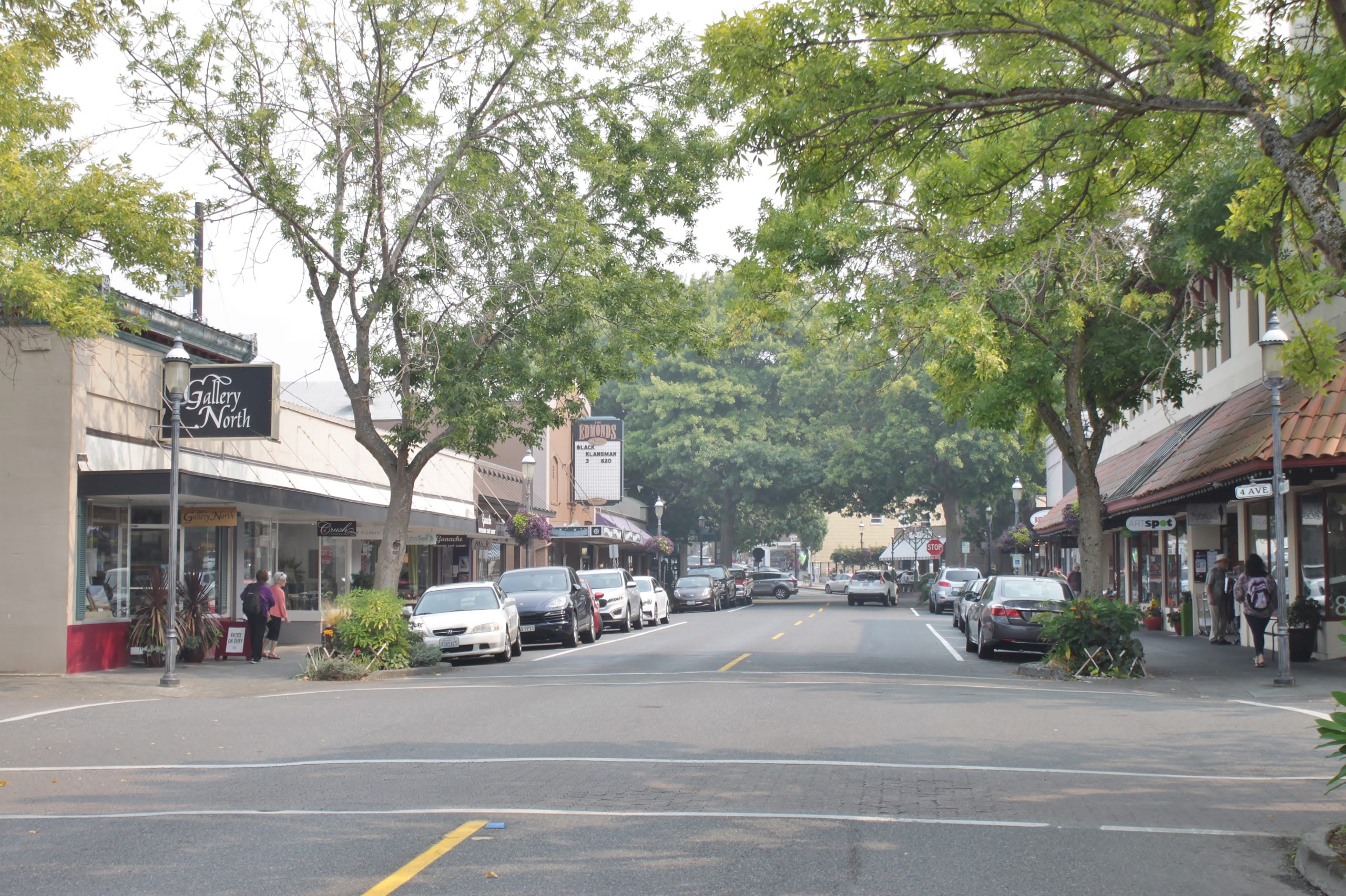
The Bowl is what most people picture when they hear “Edmonds.” It’s the downtown core and the residential streets that rise up around it like the sides of a bowl, with Puget Sound as the open side. This is the part of town where you can walk to the ferry, the train, the beach, the library, the farmers market and a pretty great lineup of restaurants without moving your car.
The homes: a real mix. You’ll find some of the oldest houses in the city here, everything from early craftsman-style cottages to mid-century ramblers to newer homes that replaced something older. Lots are generally on the small side. You’ll also find more condos here than anywhere else in Edmonds, plus a handful of townhomes. A lot of the condo buildings are older and low-rise, which matters when you get into HOA reserves and upcoming repairs. If you’re looking at a condo, have me pull the resale certificate and budget early, because that’s where the surprises hide.
Who it suits: downsizers who want to give up the car for most errands, people who work from home and want somewhere to walk to at lunch, and anyone moving from a walkable Seattle neighborhood who doesn’t want to feel stranded in the suburbs.
Commute: this is the best part of town for the Sounder train and the Kingston ferry, both right at the water. For I-5, you’re driving up the hill and across town, so it’s not the quickest freeway access in the city.
The tradeoffs: you pay a premium for location, you get less house and less yard for the money, and the streets are steep. “Walkable” in the Bowl means a nice walk down to dinner and a real workout coming home. If knees or a wheelchair are part of the picture, the exact block matters a lot. Downtown also gets busy on summer weekends and during big events, and parking near Main Street fills up.
The Waterfront and the View Streets
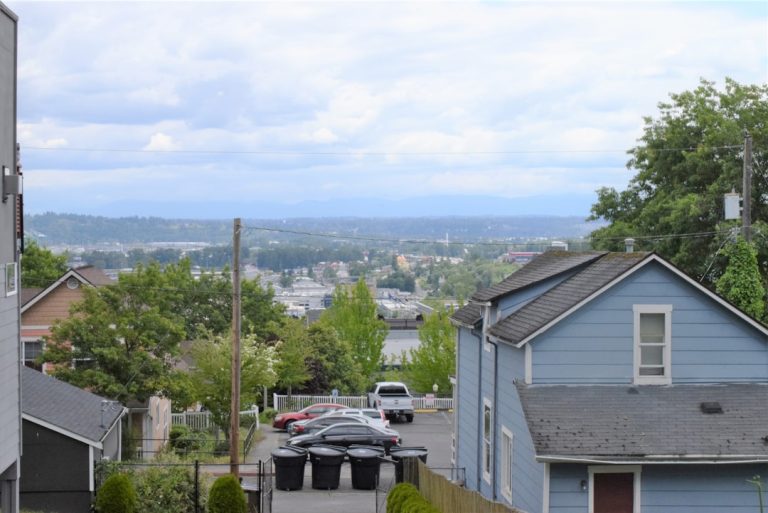
Right along the water and on the slopes just above downtown, you get into the homes people dream about: wide-open Sound views, ferries coming and going, and the Olympics on a clear day. Some are on the waterfront itself near the beach parks and marina, and a lot more are perched on the hillside streets north and south of downtown where every house is stacked to look over the one below it.
The homes: everything from modest older homes that happen to have a great view to big, newer custom houses designed around the view. Waterfront condos are another way in, and they’re often the most realistic way to get a water view without a big single-family price tag.
Who it suits: buyers for whom the view is the whole point and who are willing to pay for it.
The tradeoffs: a view you don’t control is never guaranteed. Edmonds has fought about downtown building heights for decades, and the city’s height limits plus, in some plats, private covenants are what keep views open. Before you pay for a view, we should look at what could be built in front of you, whether the trees below you belong to a neighbor who might let them grow, and whether any covenants apply. Bluff and slope property also needs more homework, which I’ll get to in the Meadowdale section. And along the water, the BNSF rail line runs right along the shoreline, so you’ll hear trains. Some people love it. Some people don’t.

The Upland Neighborhoods: More Yard for the Money
Once you climb out of the Bowl, Edmonds turns into a plain Jane, leafy suburb in the best sense. Most of these neighborhoods are single-family homes from the post-war decades, on bigger lots than you’ll find downtown, with a small shopping center nearby instead of a full downtown. This is where I send buyers who say “I like Edmonds, but I need a yard and a garage.”
Seaview
Seaview sits on the hill south and east of downtown, centered around Seaview Park. It’s a calm, settled residential neighborhood: a lot of mid-century ramblers and daylight basement homes, many of them updated over the years, on reasonably sized lots with mature trees. Homes on the western edge can pick up Sound views, and those carry a noticeable premium over the streets just a few blocks farther east.
Who it suits: families and move-up buyers who want a classic neighborhood feel and still want downtown a few minutes away by car. Walkability: walkable to the park and around the neighborhood, but you’ll drive for most errands. Commute: a reasonable middle ground, close enough to downtown for the train and ferry, and not far from SR 104 toward I-5.
Westgate
Westgate is built around the shopping district where SR 104 (Edmonds Way) meets 100th Avenue West, with a couple of grocery stores, coffee and everyday services. The city adopted a specific plan and a mixed-use zone for the Westgate commercial area, so expect newer apartment and mixed-use buildings near the intersection over time. The residential streets around it are mostly mid-century single-family homes on decent lots, and Yost Park, with its forested trails and seasonal outdoor pool, is close by.
Who it suits: buyers who want an Edmonds address and a real yard without paying Bowl prices. Walkability: if you’re close to the shopping center, you can walk for groceries, which is rarer than you’d think up here. Commute: SR 104 runs right through, so getting east to I-5 or down to the ferry is straightforward. Tradeoffs: SR 104 is a busy road, so homes right along it or backing up to it get road noise. And when the ferry traffic backs up, you’ll feel it.
Five Corners
Five Corners is named for the intersection where Main Street, 212th Street SW, Bowdoin Way and 84th Avenue West all come together, which is now a roundabout. There’s a small neighborhood shopping area there, and around it are streets of ramblers, split-levels and some newer infill homes. It’s up on the plateau east of downtown, so you’re a straight shot down Main Street to the Bowl.
Who it suits: people who want a central spot, close enough to downtown to get there in a few minutes, but with a bigger lot and a lower price. Walkability: some, if you’re near the shopping area. Commute: a central location for getting to either the waterfront or to Highway 99 and I-5. Tradeoffs: the city has studied redevelopment options for the Five Corners business area, so there may be more change around the commercial node in coming years. I see that as more of a heads-up than a dealbreaker.
Perrinville
Perrinville is up on the north end of Edmonds near the Lynnwood line, with a small, older retail strip and a lot of trees. It’s lower key than Five Corners or Westgate, and the housing is mostly mid-century single-family homes, with some on wooded, sloping lots near the ravines and creeks in that part of town.
Who it suits: buyers who want a woodsy, tucked-away feel inside the city and are fine driving for most things. Commute: handy if you work north toward Lynnwood, Mukilteo or Everett, and still workable to I-5 for Seattle. Tradeoffs: less walkable, and on the steeper lots near the ravines you’ll want to check for slope and drainage issues the same way you would in Meadowdale.
Meadowdale and the North End Bluff
Meadowdale is in the far north end of Edmonds, along the bluff above the Sound. It has some of the most dramatic Sound and Olympic Mountain views in the city, and the homes range from older houses on big wooded lots to newer custom homes built to take advantage of those views. Meadowdale Beach Park, a county park with a trail down a ravine to the beach, is up here too.
Who it suits: view buyers who also want a bigger lot and more privacy than they’d get downtown, and who don’t mind being farther from the Bowl’s restaurants.
The tradeoff you need to know about: part of this hillside is a mapped landslide hazard area. The city of Edmonds designates the Meadowdale earth subsidence landslide hazard area, and in the winter of 1996 to 1997, heavy rain and snowmelt sent parts of the hillside sliding toward the Sound and damaged several homes. That doesn’t mean every Meadowdale home is risky. It means that for any steep or bluff property in Edmonds, we look at the city’s slope and critical area maps, read the seller disclosure carefully, look for prior geotechnical reports, and often bring in a geotechnical engineer before you remove contingencies. Buying a bluff home without that homework is the one place I get pushy with buyers.
South and East Edmonds: Closer to Shoreline, I-5 and Light Rail
Firdale and the South End
Down at the south end of Edmonds, near the Shoreline and Woodway lines, Firdale Village is a small shopping center that anchors the neighborhood around it. The homes here are mostly mid-century single-family houses on good-sized lots, many on sloping streets, and some on the west side catch views. Being from Shoreline, this is the part of Edmonds that feels most like home to me, since it blends right into Richmond Beach and the neighborhoods I grew up around.
Who it suits: buyers who work in Seattle and want to be as close to the King County line as possible while still having an Edmonds address. Commute: one of the shorter drives into north Seattle from Edmonds, and you’re a short drive from Shoreline’s light rail stations. Tradeoffs: you’re farther from downtown Edmonds than the Bowl or Seaview, so it’s a drive, not a walk.
Lake Ballinger and East Edmonds
On the east side of town, Edmonds borders Lake Ballinger, a small lake that sits on the line with Mountlake Terrace just west of I-5. Ballinger Park, on the Mountlake Terrace side, has a lakefront and walking trails. The Edmonds neighborhoods around it are mostly modest mid-century homes, ramblers and split-levels, often at a lower price point than the west side of the city.
Who it suits: commuters. This is the best part of Edmonds for I-5 and for light rail, since the 1 Line now runs to Mountlake Terrace and Lynnwood City Center stations, a short drive from here. If someone in your household goes into Seattle or toward Northgate and the UW every day, this side of town deserves a serious look. Tradeoffs: freeway noise near I-5, and lakefront and low-lying homes need a careful look at flood history. The lake has flooded before, including New Year’s Day 1997, when the water rose more than six feet and damaged several waterfront homes.
Highway 99 and the International District
Highway 99 runs through east Edmonds for about 2.25 miles, roughly from 244th Street SW at the Shoreline line up to 210th Street SW near Lynnwood. Locals call much of this stretch the Edmonds International District, and it’s where some of the best Korean, Vietnamese, Chinese, Japanese, Taiwanese and Thai food in the area lives. Swedish Edmonds hospital is on this corridor too.
The homes: more variety than anywhere else in Edmonds. Apartments and condos along the highway, newer townhomes and mixed-use buildings, and on the side streets, plain single-family homes that are often some of the most affordable in the city. The city has a long-running Highway 99 revitalization effort, so expect more new housing and streetscape changes along here.
Who it suits: first-time buyers, transit riders and anyone who cares more about food and convenience than about a postcard view. Commute: the Swift Blue Line bus rapid transit runs up and down Highway 99 with Edmonds stops at 216th and 238th, and it connects south to the Shoreline North/185th light rail station. I-5 is close. Tradeoffs: Highway 99 is a busy state highway, so expect traffic, noise and a more commercial look than the rest of Edmonds. Pick your block carefully. A home two streets off the highway can feel completely different from one facing it.
Just Outside the City Limits
Esperance: The Unincorporated Pocket
This one trips up a lot of buyers. Esperance is a roughly 448-acre area on the east side of town, home to about 4,000 people, that is completely surrounded by the city of Edmonds but isn’t part of it. It’s unincorporated Snohomish County. Your mailing address may say Edmonds, but you’re governed by the county, not the city, and residents have voted down annexation into Edmonds several times. The annexation conversation has come up again recently, so this could change.
The homes: mostly single-family homes on standard suburban lots, zoned for single-family. Who it suits: buyers who want to be in the middle of Edmonds but like the idea of county rules, which some residents prefer for things like keeping animals or building certain structures. What to check: because the rules, taxes and services differ from the city’s, I’ll confirm exactly which jurisdiction a property falls under before you write an offer. If you’re planning an ADU, a big remodel or chickens, that matters.
Woodway: The Separate Town Next Door
Woodway is its own small town of about 1,300 people, tucked between Edmonds to the north and east, Shoreline to the south, and Puget Sound to the west. It incorporated back in the 1950s largely to protect its forested land and keep from being absorbed by Edmonds, and it still feels like a private wooded enclave. Much of the original part of town was deed-restricted to a 2-acre minimum lot size, and there’s no commercial zoning at all, so no shops, no gas stations, just houses and trees.
The homes: large homes on large, wooded lots, many with Sound views from the bluff. This is the hoity-toity end of the market around here, and you’ll pay for the land and the privacy. Who it suits: buyers who want space, trees and quiet, and who don’t mind driving for every errand. Woodway is served by the Edmonds School District, and Edmonds-Woodway High School carries its name. Tradeoffs: zero walkability, and big wooded lots on a bluff come with tree, slope and maintenance considerations you’ll want to understand before you buy.
Edmonds Part-of-Town Cheat Sheet
| Part of Town | Typical Homes | Best For | Watch For |
|---|---|---|---|
| The Bowl | Older homes, small lots, most of the city’s condos | Walking everywhere, ferry and train | Steep streets, less house for the money |
| Waterfront and view streets | View homes, waterfront condos | Sound and mountain views | What could block your view, rail noise, slopes |
| Seaview | Mid-century homes, some views | Classic neighborhood close to downtown | View premium on the west edge |
| Westgate | Mid-century homes on decent lots | A yard plus walkable groceries | SR 104 traffic and noise |
| Five Corners | Ramblers, split-levels, infill | Central location, bigger lots | Possible change around the business area |
| Perrinville | Mid-century homes, wooded lots | Woodsy and tucked away | Slopes near ravines, mostly car-dependent |
| Meadowdale | View homes, big wooded lots | Views plus privacy | Mapped landslide hazard area |
| Firdale and south end | Mid-century homes, some views | Shortest drive to Seattle | Farther from downtown Edmonds |
| Lake Ballinger and east | Modest mid-century homes | I-5 and light rail commuters | Freeway noise, flood history near the lake |
| Highway 99 | Condos, townhomes, small houses | Budget, transit, food | Highway traffic, pick your block |
| Esperance | Single-family homes | Central spot under county rules | Not in the city, different rules and services |
| Woodway | Large homes on large lots | Privacy and acreage | No shops, slopes and big trees |
Want to see what’s actually for sale in these areas right now? You can browse Edmonds homes for sale on my search site and filter by the part of town that fits you.
The Big-Picture Stuff in a Nutshell
Schools
Edmonds, Woodway and Esperance are all served by the Edmonds School District, which also covers Lynnwood, Mountlake Terrace, Brier and parts of unincorporated south Snohomish County. Assignments can change block by block, so I’ll pull the exact school assignment for any address you’re considering rather than going off the neighborhood name. More on schools is in my full guide to living in Edmonds.
Cost
Edmonds is one of the pricier cities in south Snohomish County, and the spread inside the city is wide. As a rule of thumb, the Bowl, the view streets, Meadowdale view lots and Woodway sit at the top, the upland neighborhoods sit in the middle, and the Highway 99 corridor and parts of east Edmonds are where the entry-level options tend to be. I track current numbers in my regional market report, and if you’re budgeting for a purchase, read my breakdown of closing costs for buyers in Edmonds. For the full picture of what living here costs and what you get for it, see the pros and cons of living in Edmonds.
Commute
Where you live inside Edmonds changes your commute more than almost anything else. The waterfront has Edmonds Station, served by Sounder N Line and Amtrak Cascades, plus the Edmonds to Kingston ferry, about a 30-minute crossing. Keep in mind the Sounder N Line is a weekday, rush-hour-only train with a handful of trips each way, and it has a long history of cancellations when mudslides hit the tracks along the bluff. The east side has I-5, the Swift Blue Line on Highway 99, and light rail at Mountlake Terrace and Lynnwood City Center. So here’s the plain version: a Bowl address is great for the train and ferry, and an east-side address is great for I-5 and light rail.
Parks and the Waterfront
Every part of Edmonds has decent access to the waterfront, the beach parks, the marina, Yost Park and the off-leash dog beach, but the Bowl is the only place where they’re truly a walk away. For the full rundown of beaches, restaurants, the arts scene and things to do, head to my full guide to living in Edmonds.
Watch: A Closer Look at Life in Edmonds
If you’d rather see it than read about it, here’s my video walkthrough of daily life in Edmonds, from the downtown core to the waterfront to the surrounding neighborhoods.
How I Help Buyers Pick the Right Part of Edmonds
When a buyer tells me they want Edmonds, the first thing I ask is what a normal Tuesday looks like for them. Where do you work, and how do you get there? Do you want to walk to coffee, or do you want a big yard for the dog? Is a view worth giving up square footage? Once we have those answers, the list of neighborhoods usually shrinks to two or three, and we can tour smarter instead of driving all over town.
I also do the boring homework that saves people from expensive surprises: checking jurisdiction (Edmonds, Esperance or Woodway), school assignment, slope and critical area maps for bluff homes, flood history near the lake, and condo budgets and reserves in the Bowl.
Frequently Asked Questions
What Is the Most Walkable Part of Edmonds, WA?
The Bowl, meaning downtown Edmonds and the residential streets around it. From the Bowl you can walk to the ferry, Edmonds Station, the beach parks, the library and most of the city’s restaurants. The catch is the hills: streets climb steeply from the water, so the walk home can be a workout.
Where Can I Get More House and Yard for My Money in Edmonds?
Look up the hill in the upland neighborhoods like Westgate, Five Corners, Perrinville and Seaview’s eastern streets, or on the east side near Lake Ballinger and Highway 99. Those areas generally have bigger lots and lower prices than the Bowl and the view streets.
Which Part of Edmonds Is Best for Commuting to Seattle?
It depends on how you commute. The Bowl is best for the Sounder N Line, which runs weekday rush hours only, and the Kingston ferry. East Edmonds near Lake Ballinger and Highway 99 is best for I-5, the Swift Blue Line and light rail at Mountlake Terrace and Lynnwood City Center. The south end near Firdale has one of the shorter drives into north Seattle.
Where Are the View Homes in Edmonds?
Mostly on the waterfront and hillside streets above downtown, the western edge of Seaview, the south end near Woodway, and Meadowdale on the north end bluff. Before paying for a view, check what could be built in front of you, whose trees could grow into it, and whether any private covenants apply.
Are There Landslide Areas in Edmonds?
Yes. The city of Edmonds designates the Meadowdale earth subsidence landslide hazard area on the north end bluff, where heavy rain and snowmelt in the winter of 1996 to 1997 caused slides that damaged several homes. For any steep or bluff property, review the city’s slope and critical area maps, the seller disclosure and any geotechnical reports before you commit.
Is Esperance Part of Edmonds?
No. Esperance is an unincorporated area of Snohomish County, about 448 acres with roughly 4,000 residents, completely surrounded by the city of Edmonds. Addresses there may read Edmonds, but the county sets the rules. Residents have voted down annexation into Edmonds several times, and the topic has come up again recently.
Is Woodway Part of Edmonds?
No. Woodway is its own small town of about 1,300 people between Edmonds, Shoreline and Puget Sound. It has no commercial zoning, and much of the original town was deed-restricted to 2-acre minimum lots. Woodway students attend Edmonds School District schools.
Which School District Covers Edmonds Neighborhoods?
The Edmonds School District serves Edmonds, Woodway, Lynnwood, Mountlake Terrace, Brier and parts of unincorporated south Snohomish County, including Esperance. School assignments can change block by block, so confirm the assignment for the specific address.
Let’s Find Your Part of Edmonds
If you’re trying to figure out which part of Edmonds fits your life and your budget, I’d love to help you sort it out. Call or text me at 206-245-8813, or book a time on my calendar and we’ll go over the map together. You can also browse Edmonds homes for sale while you’re thinking it over.

About the Author: Emily Cressey
Emily Cressey is a local Seattle-area REALTOR® with HomePro Associates at Keller Williams Greater Seattle who grew up in Shoreline, WA. For over two decades she has gotten to know the neighborhoods of King and Snohomish Counties, from commute times to school boundaries to which hills make it hard to get out of your driveway when it snows. At home, she keeps a small flock of chickens, so she has opinions about backyard zoning too.
Curious what a neighborhood is really like? Call or text Emily at 206-245-8813, book a free call. We make real estate EASY for you.
WA Real Estate License #20109399 · Verify at WA DOL