5 Mistakes to Avoid When Buying a Home in Lake Forest Park
What are the biggest mistakes to avoid when buying a home in Lake Forest Park, WA?
The top five: skipping a specialized inspection, underestimating wooded lot upkeep, misreading the commute, under-budgeting ownership costs, and offering without local market knowledge.
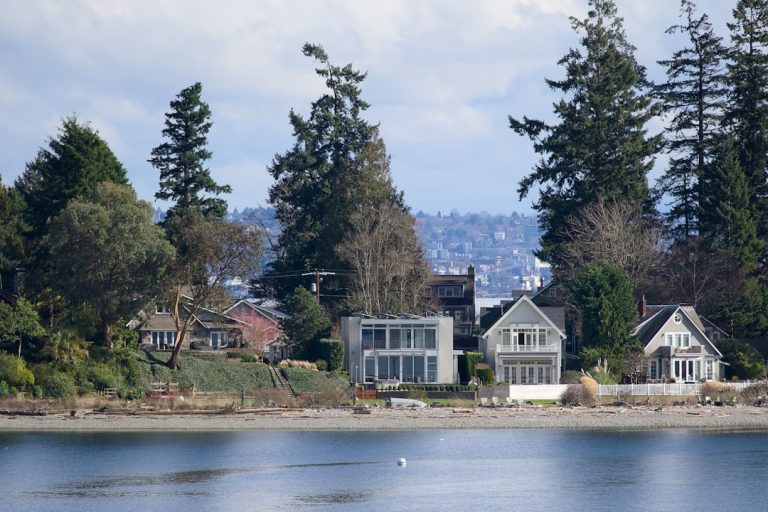
Lake Forest Park has a particular kind of appeal that is hard to explain until you’ve driven through it. Towering Douglas firs, Lake Washington views through the trees, a neighborhood that feels like a retreat even though you’re 12 miles from downtown Seattle. That combination is genuinely rare, and buyers notice.
That appeal is also what gets buyers into trouble. When you fall in love with a place, it’s easy to rush through due diligence, gloss over hard questions, or make assumptions you wouldn’t make somewhere less beautiful. These are the five mistakes that cost Lake Forest Park homebuyers the most, and what to do instead.
Mistake #1: Skipping (or Skimping on) a Specialized Property Inspection
A standard home inspection is a start. In Lake Forest Park, it is not enough.
Many homes here sit on sloped or hillside terrain close to Lake Washington or smaller drainage corridors. That combination creates inspection issues you simply won’t find in a flat suburban neighborhood. Hiring a general inspector without specific experience in hillside and waterfront-adjacent properties means you may miss the things that matter most.
What to look for beyond the basics
Retaining walls. Are they permitted? Are they structurally sound? A failing retaining wall can cost $15,000 to $50,000 or more to rebuild, depending on size and location. Unpermitted walls become your problem after closing, not the seller’s. King County requires permits for walls over four feet, and many older walls in this neighborhood predate modern requirements.
Drainage and grading. Water flows downhill. In a wooded, sloped neighborhood, where does it go? Improper grading sends water toward the foundation rather than away from it. Ask your inspector to specifically check for signs of standing water, soil erosion, moisture intrusion in the crawlspace or basement, and whether the downspouts discharge far enough from the structure.
Tree proximity and root systems. That beautiful 80-foot fir is also a root system running under your house. Roots can damage foundations, sewer lines, and drainage connections. In a heavily wooded lot, this is a genuine concern, not a hypothetical one.
Septic versus sewer. Some older Lake Forest Park properties are on private septic systems rather than the city sewer line. Always confirm which system serves the home. If it’s septic, order a separate septic inspection and ask for pump records. A septic replacement can run $15,000 to $30,000 or more, so you want to know before you close.
Beyond the general inspection, seriously consider adding a sewer scope. It typically costs $150 to $300 and shows you the condition of the line from the house to the connection point. Roots are a common culprit in wooded neighborhoods.
The fix: Hire an inspector with demonstrated experience in hillside and waterfront-adjacent properties. Budget for specialty inspections, a sewer scope, and potentially a geotechnical assessment on steep lots. In a competitive market, the instinct is to waive inspection. If you do, understand exactly what risk you’re accepting.
Mistake #2: Underestimating Wooded Lot Maintenance
The trees are part of why you want to live here. They’re also part of your annual maintenance budget, and most buyers underestimate this by a wide margin.
Trees in Western Washington grow fast and fall hard. Hazardous tree assessment is not optional in Lake Forest Park. Before you buy, have a certified arborist walk the property and identify any trees that are diseased, structurally compromised, or positioned to fall on the house, fence, or a neighboring structure.
What ongoing maintenance actually looks like
Hazardous tree removal. Removing a single large fir, depending on size, location, and access, runs $1,500 to $6,000 or more. If it’s close to the house or over a power line, add emergency surcharges for complexity.
Regular pruning. Dead limbs don’t wait for a convenient time to fall. A windstorm in November is not when you want to discover your trees haven’t been maintained. Biennial pruning on a mature wooded lot is a real budget line item.
Debris management. Fir needles, cones, and leaf litter are constant. Gutters in this neighborhood need cleaning two to three times per year, minimum. Roofs need to be kept clear. Moss treatment is an ongoing reality in the Pacific Northwest’s wet climate.
Tree removal permits. Lake Forest Park has tree protection regulations. Removing significant trees may require a city permit and, in some cases, replanting requirements. Know what you’re allowed to do before you assume you can remove a tree you don’t want.
None of this is a reason to walk away from Lake Forest Park. It’s a reason to budget honestly. When you compare a Lake Forest Park home to a similar home in a cleared suburban neighborhood, the maintenance costs will be higher. Price your analysis accordingly.
The fix: Get an arborist assessment as part of your due diligence. Budget $2,000 to $5,000+ per year for tree-related maintenance on a typical wooded lot, depending on tree density and condition.
Mistake #3: Misreading the Commute
Lake Forest Park is well-positioned for some commutes and genuinely inconvenient for others. A lot of buyers discover this after they’re already under contract.
SR-522 is the main artery in and out of the city. It connects northbound toward Kenmore and Bothell, and southbound via Lake City Way toward I-5 and SR-520 for Eastside access. During peak hours, that stretch of Lake City Way, particularly near 125th Street and the I-5 interchange, backs up significantly.
Real commute times from Lake Forest Park
| Destination | Off-Peak | Peak Hour (estimated) |
|---|---|---|
| Downtown Seattle | 20–25 min | 35–55 min |
| South Lake Union (Amazon) | 22–28 min | 40–60 min |
| Bellevue (Eastside via 520) | 30–35 min | 45–65 min |
| Redmond (Microsoft campus) | 35–40 min | 50–70 min |
| Kenmore / Bothell | 10–15 min | 15–25 min |
These are planning estimates, not guarantees. Drive your actual commute at actual commute hours before you buy.
Light rail access. Lake Forest Park does not have a light rail station. The closest Link Light Rail stations are in Shoreline: Shoreline South/148th and Shoreline North/185th, both opened in 2024. Driving or biking to a park-and-ride at one of those stations gives you access to downtown Seattle without sitting in freeway traffic. The drive from Lake Forest Park to Shoreline South/148th is roughly 10 to 15 minutes depending on traffic. For buyers whose primary commute is downtown Seattle or the University District, this option is worth mapping out carefully. Sound Transit’s Link schedule shows current frequency and travel times.
The fix: Drive your exact commute route at the exact time you’d be commuting, on a Tuesday or Wednesday, before you make an offer. Google Maps in the middle of a Saturday afternoon tells you nothing useful. If transit matters, physically visit the Shoreline park-and-ride and time that leg of the trip too.
Mistake #4: Not Budgeting for the Full Cost of Ownership
The purchase price is the starting line. The total cost of owning a home in Lake Forest Park is meaningfully higher, and buyers who don’t plan for it often find themselves stretched thin in year two or three.
Property taxes. Lake Forest Park sits in King County. King County property taxes are based on assessed value, and they vary by levy district. On a home assessed around $1 million, annual taxes commonly run $8,000 to $13,000 or more per year, which works out to $670 to $1,100 per month before you pay a dollar of principal or interest. Look up the actual assessed value and tax history on any property you’re considering using the King County Assessor’s public database before falling in love with a price.
Community access fees. Some Lake Forest Park properties include access to private community beach parks or Lake Washington shoreline access points. Those community associations sometimes carry annual dues, even if the home itself is not in a formal HOA. Ask specifically about any community or beach association membership tied to the property.
Homeowner’s insurance. Homes on steeper terrain, or with significant tree coverage, can face higher premiums than comparable homes in open settings. Get an insurance quote early in the process, not after you’re under contract. Some carriers are also increasingly scrutinizing proximity to water and slope risk in the Pacific Northwest.
Deferred maintenance on mid-century homes. Lake Forest Park has a substantial stock of homes built in the 1960s and 1970s. These homes can be beautiful and well-maintained, but they can also carry aging roofs, original electrical panels (Federal Pacific and Zinsco panels are fire hazards), galvanized plumbing, and single-pane windows. Know what you’re inheriting.
| Cost Category | Estimated Annual Range |
|---|---|
| Property taxes (King County) | $8,000 – $14,000+ |
| Homeowner’s insurance | $1,500 – $3,500 |
| Tree and landscape maintenance | $2,000 – $5,000 |
| Routine home maintenance (1% of value) | $9,000 – $15,000 |
| Utilities (heating, electric, water) | $3,600 – $6,000 |
| Community/beach association fees (if applicable) | $200 – $1,200 |
Ranges are planning benchmarks, not guarantees. Actual costs vary significantly by property.
For a deeper look at what Lake Forest Park buyers need to budget for, read: True Cost of Buying a Home in Lake Forest Park (Beyond the Price). A detailed cost breakdown is in the works.
You can also reach out for a full cash-to-close estimate at HomeProAssociates.com before you fall in love with a number.
The fix: Add estimated property taxes, insurance, HOA or community fees, and a realistic maintenance reserve to your monthly housing budget before you set your price ceiling. The monthly mortgage payment is not the monthly cost of the home.
Mistake #5: Going in Without Local Market Knowledge
Lake Forest Park is a small city. The population is around 13,000. The number of homes that change hands in any given year is limited. That means the comparable sales pool is thin, and the market can behave very differently from what broader Greater Seattle or King County numbers suggest.
Buyers who rely only on regional data, or on automated estimates from national platforms, get caught off-guard in Lake Forest Park. This is not a tract-home market where you can find six nearly identical sales in the last 90 days. Many homes here are on large, unique lots with specific features, views, waterfront community access, custom construction, that don’t have clean comps.
What this means practically
Thin comps require judgment, not just a search. Pricing analysis in Lake Forest Park requires an agent who understands the specific nuances of this neighborhood, not just someone running a general Northshore search. Two homes on the same street can price very differently based on lot size, tree coverage, view angle, and condition.
Limited inventory moves fast. When a well-priced home in Lake Forest Park comes to market, it does not always sit. Being ready to act, pre-approved, informed, and clear on your priorities, matters more in a low-inventory sub-market than in a place with abundant choices.
The difference between a fair offer and a winning offer is real. Knowing what comparable sales actually look like, what conditions sellers in this neighborhood care about, and how to structure a competitive offer without overpaying is the kind of knowledge that comes from working specifically in this market corridor.
Buyers who walk in with a lender letter and a Zillow estimate as their only preparation are at a disadvantage. That’s fine in a market with abundant comps. It’s a problem in Lake Forest Park.
If you’re still building your picture of what living in Lake Forest Park is actually like, our full neighborhood guide for the area is coming soon. In the meantime, this related guide is a useful starting point: Best Places to Live in Lake Forest Park for a Short Commute.
The fix: Work with an agent who has specific experience in Lake Forest Park and the broader Northshore market, Kenmore, LFP, Shoreline. This is not the place to test a generalist. The nuances of this sub-market are real, and they affect both what you pay and what you get.
The Bottom Line
Lake Forest Park is genuinely worth the extra preparation. The combination of wooded privacy, Lake Washington access, and proximity to Seattle is hard to replicate at any price point in this region. Buyers who do the work, thorough inspections, honest cost modeling, real commute testing, and the right local agent, end up making decisions they feel good about years later.
The buyers who skip those steps sometimes end up with a beautiful home and a very expensive surprise. These five mistakes are avoidable. Now you know how to avoid them.
Ready to start your search in Lake Forest Park? Browse current listings at HomeProHouses.com and see what’s available right now.
Frequently Asked Questions: Buying a Home in Lake Forest Park, WA
What is the typical home price in Lake Forest Park, WA?
Lake Forest Park is a relatively small, desirable King County community on the north shore of Lake Washington, and home prices reflect that. Homes here generally sell in the mid-six-figures to well over $1 million depending on size, lot, view, and condition. Because the inventory is limited and comps can be thin, pricing requires careful analysis rather than reliance on broad regional averages. Contact a local agent for current data from the Northwest Multiple Listing Service.
Does Lake Forest Park have light rail or public transit access?
Lake Forest Park does not have its own light rail station. The closest Link Light Rail stations are Shoreline South/148th and Shoreline North/185th, both part of the Lynnwood Link extension that opened in 2024. Many Lake Forest Park residents drive 10 to 15 minutes to reach one of those stations and take the train into Seattle or the University District. King County Metro also provides bus service through the area, though frequency varies by route.
Are there HOAs in Lake Forest Park?
Lake Forest Park has a mix of properties. Many are not in traditional HOAs, but some neighborhoods have community beach associations or shared access agreements for Lake Washington shoreline access. These can carry annual dues ranging from a few hundred dollars to over $1,000 per year. Always ask your agent and review the seller disclosure for any community memberships or encumbrances tied to the property before making an offer.
What are property taxes like in Lake Forest Park?
Lake Forest Park falls within King County, and property taxes are calculated based on the King County Assessor’s assessed value multiplied by the applicable levy rate for that specific tax district. On homes assessed around $1 million, annual property taxes commonly run in the range of $8,000 to $13,000 or more. You can look up the exact assessed value and tax history for any property using the King County Assessor’s public eReal Property portal at kingcounty.gov before you submit an offer.
How competitive is the Lake Forest Park real estate market?
Competition in Lake Forest Park is driven by limited inventory more than pure price point. The city is small, and the number of homes available in any given month is typically low. When well-priced homes come to market, they can move quickly. Buyers who are prepared, pre-approved, informed about local comps, and working with an agent familiar with the Northshore corridor, are in a much stronger position than those who are figuring it out on the fly.

About the Author: Emily Cressey
Emily Cressey is a REALTOR®, Broker, and Team Lead at HomePro Associates, affiliated with Keller Williams Greater Seattle. She has served buyers, sellers, and investors throughout King and Snohomish counties for over 20 years, specializing in investment properties, rental properties, luxury homes, and residential real estate. Emily holds designations as a Certified Probate Real Estate Agent (CPREA) and KW Real Estate Planner.
WA Real Estate License #20109399 · Verify at WA DOL
Reach her at 206-245-8813 or HomeProAssociates.com.