New Construction or Resale in Seattle? How Tariff Costs Tip the Math
Are tariffs making new homes more expensive in Seattle?
Yes. In an April 2025 survey, builders told the National Association of Home Builders that recent tariffs were adding about $10,900 to the cost of a typical new home, in a market where new construction already costs more than resale.
There is another side to it. When inventory rises and rates are high, builders often compete with rate buydowns, closing cost credits, and upgrade packages instead of cutting the sticker price. The tariff headline is real. So is the negotiating room, if you know where to look.
Here is what the tariff story means for Seattle-area buyers considering new construction, what to ask builders right now, and how to think about new versus resale.
Shopping new construction now? See what tariffs mean for Seattle new construction buyers. This post runs the numbers on new vs. resale.
What Tariffs Are Adding to New Home Costs
The $10,900 figure comes from builders themselves. In NAHB’s April 2025 builder survey, home builders estimated the typical cost effect of recent tariff actions at about $10,900 per home. NAHB points to softwood lumber, steel, aluminum, and home appliances as the materials most affected. It does not break that estimate down by material, so be wary of anyone who gives you a precise line-by-line number.
On a $350,000 home, $10,900 is about 3% of the price. Seattle-area new construction costs far more than that, so the same dollar amount is a smaller share of the price here, but builders still have to cover it somewhere: in the price, in smaller finish packages, or in thinner margins.
Where Buyers Have Leverage Right Now

Buyers have more to choose from than they did a year ago. Northwest MLS data showed active listings in King County running well above year-ago levels in September. Builders are competing with that resale inventory, and mortgage rates are back above 7% (Freddie Mac’s survey had the 30-year average at 7.40% in mid-October).
Many builders would rather offer an incentive than cut a list price, because a lower price resets the comparable sales for every other home in the community. Common incentives include:
- Permanent rate buydown: the builder pays to lower your rate for the life of the loan.
- Temporary buydown (such as a 2-1): your rate starts lower and steps up over the first two years.
- Closing cost credit: the builder pays some or all of your closing costs.
- Upgrade package: appliances, flooring, or finishes included.
- Price reduction: usually on specific lots or spec homes that have been sitting.
A permanent rate buydown from a builder can be worth more than a price cut. As an illustration: on a $700,000 loan, lowering the rate from 7.40% to 6.40% cuts the principal and interest payment by roughly $470 a month, more than $5,600 a year for as long as you keep the loan. What that buydown costs the builder depends on the lender and the market, which is exactly why it is worth negotiating.
The New Construction Trade-Off in Seattle Right Now
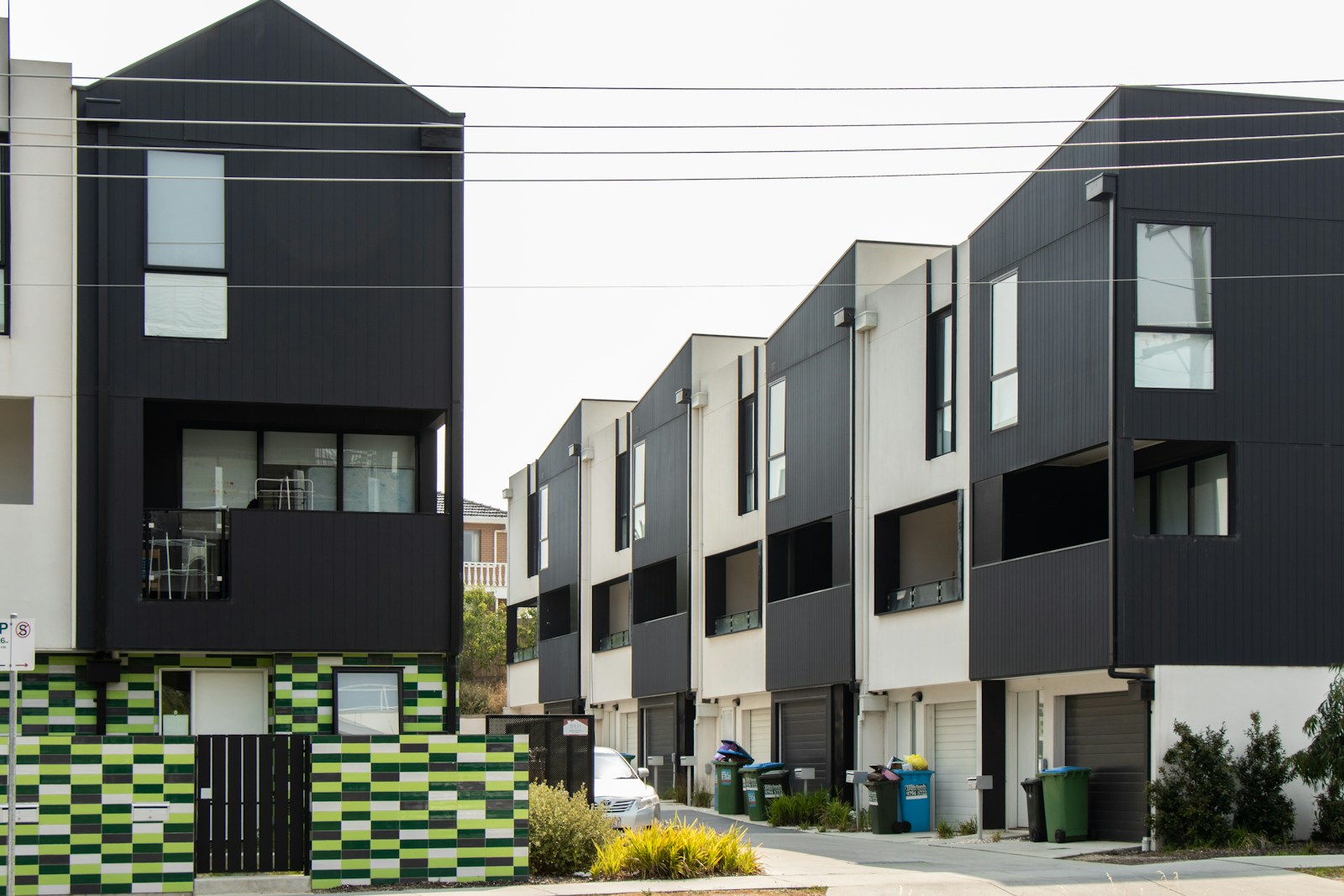
New construction usually costs more than a comparable existing home. Buyers pay for a clean slate: no deferred maintenance, modern insulation and mechanical systems, and a builder’s warranty for the first years.
That trade-off looks different right now for three reasons.
First, resale inventory is up sharply, so new construction is competing against more resale options than it was a year ago. That gives buyers leverage with builders.
Second, tariff-driven costs reach resale homes too. A seller who wants to remodel before listing faces the same higher material costs, so some list as-is instead, which creates opportunities for buyers willing to take on updates.
Third, builder incentives are worth shopping hard. Compare the full package from two or three builders, not just the list price.
What Tariffs Mean for Remodeling and Repair Costs
If you are buying a resale home that needs work, the same tariffs on lumber, steel, and appliances show up in contractor bids. Before you count on a fixer-upper being a deal, get real bids for the big items (roof, kitchen, mechanical systems) during your inspection period, not after closing. A home priced well below a renovated comparable may or may not be a bargain, depending on what those bids come back at.
Questions to Ask a Builder Before You Sign Anything

New construction purchases are more complex than resale transactions, and builder incentives come with their own fine print. Before signing a purchase and sale agreement with a builder, ask the following.
First, does the incentive require the builder’s preferred lender? Many builder buydowns do. Get a competing quote from an outside lender so you can compare the full loan terms, not just the rate.
Second, what is the timeline to close, and what happens to the price if costs or rates change between signing and completion? Some contracts lock your price; others allow escalation.
Third, what does the builder’s warranty cover, and for how long? Get the warranty in writing and note which items are covered for one year and which for longer, because coverage periods vary by builder. Washington’s construction defect claims law (RCW 64.50) also sets out the steps for raising a defect with a builder.
Fourth, what are the HOA dues and reserves? New communities often have HOA fees for common areas or amenities. Ask for the budget and the reserve plan before signing.
Curious whether a new construction home in Greater Seattle makes sense for your budget? Call or text Emily Cressey at 206-245-8813, or book a free call here. I can help you compare new builds and resale homes in the same price range, including what each builder’s incentives are really worth.
Browse new construction and resale homes available right now at HomeProHouses.com.
Frequently Asked Questions
How much have tariffs added to the cost of new homes?
In an April 2025 survey, home builders told the National Association of Home Builders that recent tariffs were adding about $10,900 to the cost of a typical new home. The main materials affected are softwood lumber, steel, aluminum, and appliances.
Are Seattle builders offering incentives right now?
Many are. With King County inventory up from a year ago and mortgage rates above 7%, builders are competing for buyers with rate buydowns, closing cost credits, upgrade packages, and price reductions on slower-moving lots.
Is it better to buy a new home or a resale home in Seattle right now?
There is no universal answer. New construction offers builder incentives, warranties, and modern systems. Resale offers more location choice, usually a lower price, and established neighborhoods. Get real renovation bids before assuming a fixer-upper is a deal.
Can I negotiate with a Seattle builder?
Yes, particularly when inventory is up. Builders are often more flexible on closing cost credits, lot premiums, and upgrade allowances than on the advertised price.
Will tariff costs be passed on to buyers?
Some of it may already be built into current prices, and tariff levels can change with policy. What matters is the incentive package, your rate, and the monthly payment.

About the Author: Emily Cressey
Emily Cressey is a Seattle-area buyer’s agent and REALTOR® with HomePro Associates at Keller Williams Greater Seattle, specializing in relocation, first-time buyers, buy-sell transactions, downsizers, and new construction purchases across King and Snohomish Counties. A real estate investor since 2002 and a licensed broker since 2008, she grew up in Shoreline, WA and has guided buyers through every kind of market to help them find a home they love that will be a profitable long-term investment. Emily says, “My goal is to educate buyers so they make confident decisions.”
If you’re thinking about a move, reach out to Emily here. Call or text 206-245-8813 . We make real estate EASY for you.
WA Real Estate License #20109399 · Verify at WA DOL