Are All New Construction Homes the Same? Builder Reputation & Warranties
Are all new construction homes built to the same quality? No. Quality varies from builder to builder and even between two communities from the SAME national builder, because the local division manager and subcontractors change from site to site. Warranties, price points, and finish levels differ widely, so “new construction” alone tells you very little.
Here is a myth I bump into all the time with buyers, especially people relocating to Seattle who are shopping new construction to avoid somebody else’s deferred maintenance: the belief that “new” is a guarantee of quality. That if it is brand new, it must be built right, and one new home is basically as good as another.
I wish that were true. It would make my job easier. But new construction is not a single, uniform product. It is a spectrum, from massive national production builders churning out thousands of homes a year to small local outfits building five houses at a time, and the quality, the warranty, and the price can swing dramatically across that range. Two homes on the same street, built the same year, can be very different purchases.
So let’s take the mystery out of it. Here is how builder reputation actually works, what a warranty really protects, why the same brand can be great in one neighborhood and frustrating in the next, and how you vet any builder before you write an offer.
The national builders: who they actually are
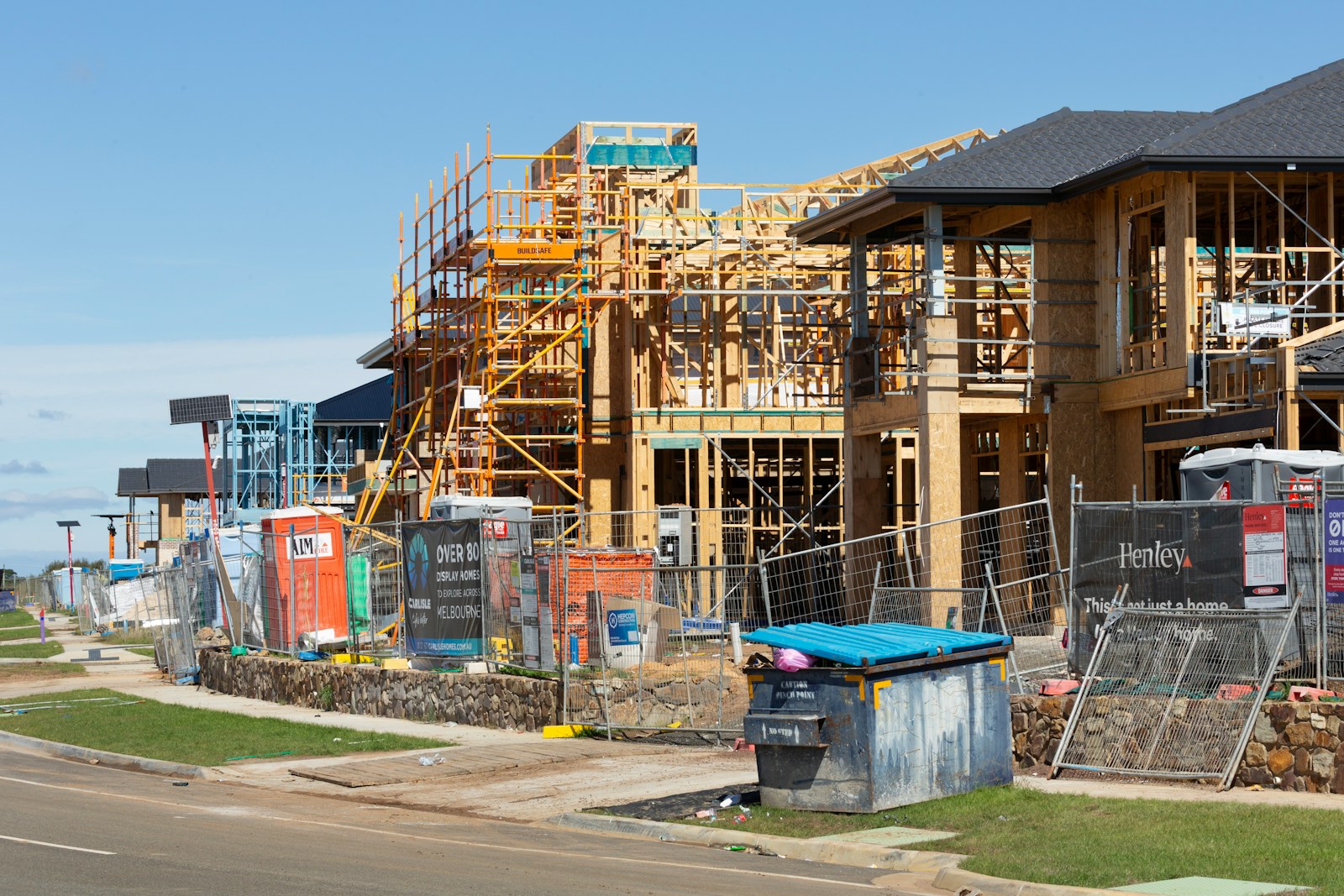
You have seen the names on the big signs: D.R. Horton, Lennar, PulteGroup, and so on. These are production builders, also called volume builders. They build at enormous scale across the country, which is exactly why their approach to any one home is different from a custom builder’s.
Here is the scale we are talking about, based on the industry’s Builder 100 closings data:
| Rank (2025 closings) | Builder | Homes closed in 2025 | Model |
|---|---|---|---|
| 1 | D.R. Horton | 87,000+ | National production builder |
| 2 | Lennar | 82,500+ | National production builder |
| 3 | PulteGroup | Tens of thousands | National production builder |
| 4 | NVR (Ryan Homes) | Tens of thousands | National production builder |
| 5 | Meritage Homes | Tens of thousands | National production builder |
Closing 80,000-plus homes in a single year is an incredible logistics operation. But notice what that scale implies. No single team is building all those homes. A national builder operates through local divisions, each with its own division president, its own project managers, and its own roster of local subcontractors who actually swing the hammers. That structure is the single most important thing to understand about builder reputation, and it leads straight to the next point.
Why the same builder can be great here and frustrating there
Because the people doing the work are local, the quality is local.
The national brand sets the floor: the plans, the specifications, the purchasing power, the warranty program. But the day-to-day build quality on your specific house comes down to the division manager running that community and the subcontractor crews they hired for framing, plumbing, electrical, drywall, and finish work. Swap in a rushed schedule, a green crew, or a division under pressure to hit quarterly numbers, and the finished product changes, even under the same logo.
This is why online reviews of national builders look so wildly contradictory. One buyer in Texas raves, another in Washington is furious, and they bought “the same” builder. They did not, really. They bought different divisions, different crews, different moments in that division’s staffing. A brand’s reputation nationally is a starting point, not a promise about the house in front of you.
So the practical takeaway is this: do not evaluate a builder by the national brand alone. Evaluate the specific community and the specific division building it. Ask around locally. Walk the builder’s finished, lived-in communities from a few years ago in the Seattle area, not just the shiny model home, and see how they are holding up.
New construction is a spectrum, not one product
Beyond the national names, the Greater Seattle market has a whole range of builders, and it helps to know which lane you are shopping in. Each lane trades off price, customization, and predictability differently.
| Builder type | What they build | Price point | Customization | What to watch |
|---|---|---|---|---|
| National production builder | Large communities, repeated floor plans | Most competitive per square foot | Limited (option packages) | Division and crew quality varies; upgrades add up fast |
| Regional or local production builder | Smaller communities, infill clusters | Mid-range | Some | Reputation is very local; check their finished projects |
| Semi-custom builder | Your plan from their menu, on their lots | Higher | Moderate to high | Longer timelines; contract terms matter |
| True custom builder | One-off home, your design, your lot | Highest | Full | Cost overruns and schedule risk; more on this below |
None of these is “the best.” They are different tools for different buyers. A first-time buyer stretching to get into the market and a move-up buyer who wants a specific layout are shopping in different lanes, and that is fine. Just know which one you are in, because the risks and the negotiation look different in each.
What a builder’s warranty ACTUALLY covers (and what it does not)

Here is where buyers get the biggest surprise, because the word “warranty” makes people relax when they should be reading closely.
Most new homes come with some version of a 1-2-10 warranty. That shorthand describes three different coverage periods that protect three different things, according to warranty administrators like 2-10 Home Buyers Warranty:
| Coverage period | What it protects | Plain-English example |
|---|---|---|
| 1 year: Workmanship | Fit, finish, and materials | Nail pops, drywall cracks, sticking doors, paint, trim |
| 2 years: Systems | Electrical, plumbing, and mechanical | Wiring, pipes, HVAC, ductwork defects |
| 10 years: Structural | Load-bearing components | Foundation, framing, load-bearing walls, roof structure |
Read that carefully, because the shape of it matters. The broadest, most useful coverage, the workmanship that catches all the little “this was done sloppily” stuff, expires the fastest, usually at one year. The 10-year coverage sounds generous, but it only kicks in for major structural failure, which is rare and has a high bar to prove. So the coverage you are most likely to actually need is the coverage that disappears first.
Just as important is what a warranty does NOT cover. Typically excluded: your appliances (those carry their own manufacturer warranties), damage from natural events, normal wear and tear, and anything you or a later contractor added after closing. A warranty is not a maintenance plan and it is not insurance.
One more distinction worth knowing. There is a difference between a builder’s own in-house warranty and a third-party warranty backed by a company like 2-10 or StrucSure. With an in-house warranty, your coverage is only as good as the builder’s willingness and financial ability to come back and fix things. If that builder slows down, gets bought, or folds, an in-house promise can get thin. A third-party administered warranty puts a neutral party between you and the builder. When you evaluate a builder, ask who actually backs the warranty and how claims get handled. The answer tells you a lot.
Are all new homes priced the same? Not even close
Price per square foot on new construction swings based on the builder lane, the location, the finish level, and how the base price is structured.
Watch the base-price trap especially with production builders. The advertised price is often for the base model with base finishes. The home in the model that made you fall in love is loaded with upgrades: the nicer flooring, the quartz counters, the upgraded cabinets, the extra can lights. Those options are where production builders make strong margins, and they add up fast. The home you actually want can land well above the sign price.
Location moves the number hard too. New construction inside Seattle carries city land costs and often comes as attached townhomes, while new construction farther out in South Snohomish County or Pierce County can get you a detached house for a similar total because the land is cheaper. If you are weighing what your budget buys where, and whether new construction even fits, my breakdown of how much house you can actually afford in King County is a good place to start.
“Will they all break?” The honest answer
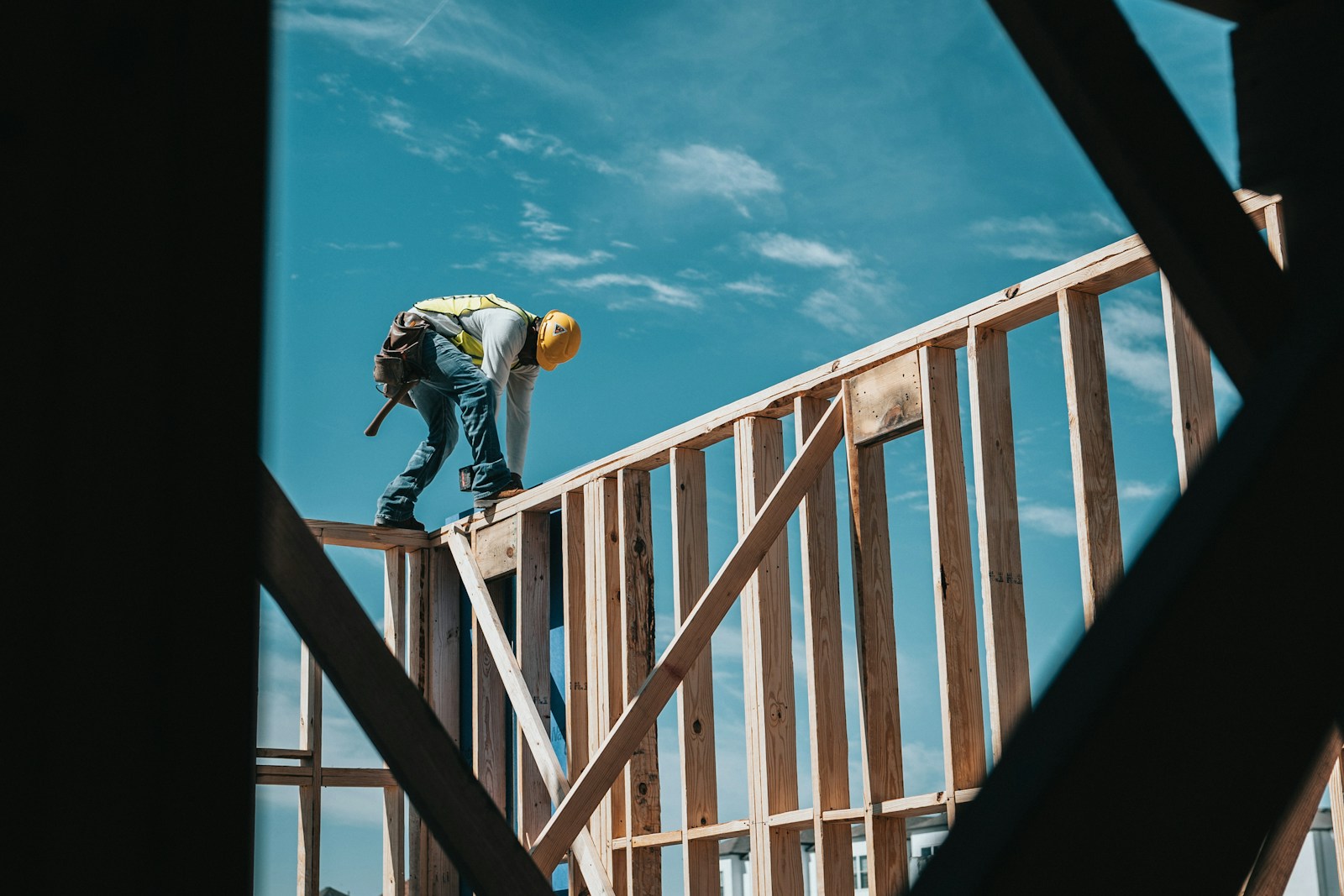
No, they will not all break. But new does not mean flawless, and that is the mindset I want you to carry into a sales office.
Every home, including a brand new one, is built by people, on a schedule, in weather. Common new-construction issues show up in the first year or two: settling cracks, doors and windows that need adjustment, grading and drainage that was rushed, HVAC that was never properly balanced, and finish work that got hurried at the end to hit a closing date. Most of these are normal and fixable, which is exactly what that one-year workmanship warranty is for. The buyers who get burned are usually the ones who assumed “new” meant “perfect,” skipped the inspection, and missed their window to get things fixed under warranty.
So treat a new home like any other major purchase. Which brings us to the part that actually protects you.
How to vet ANY builder before you write an offer
You do not need insider connections to check out a builder. You need a short checklist and the willingness to do a little homework before you get emotionally attached.
Start with the paperwork. In Washington, you can look up any builder or contractor through the state’s Labor and Industries contractor verification tool to confirm they are registered and bonded, and to see whether there are infractions on record. It takes two minutes and it is the first thing I check.
Then do the legwork that reviews cannot fake:
Walk their older, finished communities. Not the model home. Find a neighborhood the same builder completed three to five years ago in the Seattle area and look at how it is aging. Talk to a homeowner if you can. People who bought from that builder will tell you the truth about the warranty experience.
Ask specific warranty questions. Who administers the warranty, the builder or a third party? What is the process for submitting a punch list at closing and getting items fixed? How responsive were they at the one-year mark? Vague answers are a yellow flag.
Read the actual purchase agreement. Builder contracts are written to favor the builder, and they are not the same as a standard resale contract. Deposit terms, the ability to cancel, what happens if construction runs late, and how disputes get handled are all in there. This is one of the biggest reasons to have your own representation, which I will not be shy about: this is exactly what I do for buyers. My post on Seattle negotiating strategies most buyers don’t know covers how that conversation goes.
Get your own inspection. Yes, on a brand new home. A good inspector catches the rushed and hidden stuff before your workmanship window starts ticking.
And if you are looking specifically at new townhomes, which dominate the new-construction inventory inside Seattle, read my companion guide on the hidden concerns of buying a new construction townhome in Seattle before you fall for the fresh paint. It covers the shared-maintenance and resale traps that a builder reputation check alone will not catch.
A note on trusting me over the sales office
Here is the honest positioning. I am not going to publish a list ranking every Seattle-area builder as good or bad, because reputation is local, it changes with staffing, and your specific community matters more than a brand label. What I will do, for my clients, is tell you what I am seeing right now in the specific communities you are considering, help you read the contract, and represent you and only you.
The agent at the builder’s sales office cannot do that, because they work for the builder. That is not a knock on them. It is just whose side they are on. Have someone on yours.
Frequently asked questions about new construction builders
Are national builders like D.R. Horton and Lennar good quality? It depends on the local division and crews, not just the brand. National builders set the plans, specs, and warranty program, but the actual build quality comes from the local division manager and subcontractors, so the same builder can be excellent in one community and frustrating in another. Evaluate the specific community, not the logo.
What does a builder’s home warranty actually cover? Most new homes carry a 1-2-10 warranty: one year on workmanship (fit and finish), two years on systems (electrical, plumbing, mechanical), and ten years on major structural elements. Appliances, natural-disaster damage, and normal wear are typically excluded, and the broad workmanship coverage expires first, so use it early.
Will a new construction home have problems? Often minor ones, yes. Settling cracks, sticking doors, drainage, and hurried finish work are common in the first year and are what the workmanship warranty exists to fix. New does not mean flawless, which is why an independent inspection still matters even on a brand new home.
Are all new construction homes priced about the same? No. Price per square foot varies by builder type, location, and finish level, and production builders advertise a base price that rises quickly once you add the upgrades shown in the model home. New construction inside Seattle also costs differently than in outer Snohomish or Pierce County because of land costs.
How do I check out a builder in Washington before buying? Verify their registration and bond through Washington Labor and Industries, walk their finished communities that are a few years old, ask who administers the warranty and how claims are handled, read the builder’s purchase agreement closely, and get your own home inspection. Bringing your own buyer’s agent protects you through all of it.
Let’s find you a well-built home, not just a new one
New construction can be a wonderful buy. But “new” is not a quality grade, and the difference between a great builder experience and a frustrating one comes down to homework you do before you sign: checking the specific division, understanding the warranty, reading the contract, and having someone in your corner.
That someone is me. I am Emily Cressey with HomePro Associates at Keller Williams Greater Seattle, and I help buyers across Seattle, King County, Snohomish County, and Pierce County buy new construction with clear eyes and their own representation.
Before you tour a builder’s community or sign anything, let’s talk. Call or text me at 206-245-8813, or reach out through HomeProAssociates.com, and you can browse current listings anytime at HomeProHouses.com. We make real estate EASY for you.

About the Author: Emily Cressey
Emily Cressey is a Seattle-area buyer’s agent and REALTOR® with HomePro Associates at Keller Williams Greater Seattle, specializing in relocation, first-time buyers, buy-sell transactions, downsizers, and new construction purchases across King and Snohomish Counties. A real estate investor since 2002 and a licensed broker since 2008, she grew up in Shoreline, WA and has guided buyers through every kind of market to help them find a home they love that will be a profitable long-term investment. Emily says, “My goal is to educate buyers so they make confident decisions.”
If you’re thinking about a move, reach out to Emily here. Call or text 206-245-8813 . We make real estate EASY for you.
WA Real Estate License #20109399 · Verify at WA DOL