
How to Sell Your Home in Edmonds, WA: A Step-by-Step Guide
How Do You Sell Your Home in Edmonds, WA?
To sell your home in Edmonds, WA, you price it against true neighborhood comps (not a citywide average), complete Washington’s Form 17 disclosure, budget for REET and closing costs, and time your listing to the local market before you consider a cash offer. As of June 2026, Edmonds homes sold for a median of $699,950 and averaged 29 days on market.
If you’d rather watch than read, here’s Emily’s take on what it’s actually like to live in, and sell in, Edmonds:
Type “how to sell your home in Edmonds” into Google right now, and you’ll get a page full of companies offering to buy your house for cash within seven days.
Not one of them will tell you what your Edmonds home is actually worth, what Washington law requires you to disclose, or why a rambler in Perrinville and a view home two blocks off Sunset Avenue can sell $150,000 apart. That’s the gap this guide fills.
Emily Cressey has listed and sold homes across Edmonds, from Craftsman fixers near Five Corners to view properties above the Bowl, and the sellers who do best are the ones who understand the process before they sign anything, whether that’s a listing agreement or a cash-offer contract. This guide walks through pricing, prepping, disclosing, timing, and marketing your Edmonds home step by step, using the real numbers behind each decision.
You don’t need to hire an agent to read this guide. But by the end, you’ll understand exactly what a good one should be doing for you, and why a fast cash offer usually isn’t the smartest way to sell your home in Edmonds.

Decide How You Want to Sell: Agent, Cash Buyer, or FSBO
Before you touch paint colors or pricing, decide which path actually fits your situation. Edmonds sellers generally choose from three routes, and each trades speed for money in a different direction.
What Cash-for-Homes Companies Don’t Advertise
The “we buy houses” and iBuyer sites that dominate Edmonds search results all work roughly the same way: an algorithm or in-house investor generates an offer based on public data, then discounts it to cover their resale margin, repair budget, and profit. You skip showings and inspections, and you can often close in seven to fourteen days. What the landing page rarely spells out is how far below open-market value that convenience costs you.
Before you sign a cash offer, ask the buyer these questions directly:
- What would this home list for on the open market, backed by a real comparative market analysis?
- What repairs, credits, or “as-is” discounts are being subtracted from that number?
- Who pays closing costs and any transaction or service fee, and how much is it?
- Is there an inspection contingency that lets you re-negotiate the price lower after we’ve both signed?
- What’s the cancellation policy if I change my mind before closing?
When a Cash Offer Actually Makes Sense
Cash sales aren’t wrong for everyone. They tend to make sense for an estate or probate sale where heirs need certainty and speed more than top dollar, a home with serious deferred maintenance that would scare off financed buyers, a job relocation with a hard two-week deadline, or a landlord who’s simply done managing a difficult property. If none of those describe you, it’s worth pausing before you accept the first offer that lands in your inbox.
Why Most Edmonds Sellers Still List With an Agent
A home listed on the Northwest MLS reaches every buyer’s agent and portal in the region, not just one investor’s internal pipeline. In a market where well-priced Edmonds homes still draw multiple offers, that competition is often what pushes your net proceeds above what a cash buyer would pay, even after paying a commission. The right comparison isn’t “list price vs. cash offer.” It’s “net proceeds after commission and repairs vs. net cash after the investor’s discount.” Our guide to pricing a home to sell in Seattle walks through that math in more detail.
Price It Right for Edmonds’ Micro-Markets
Pricing is the single biggest lever you control as a seller. Overprice, and your home sits. Underprice, and you leave money on the table. Edmonds makes this harder than most cities because it isn’t priced uniformly. It’s priced block by block.
Why Citywide “Price Per Square Foot” Doesn’t Work Here
A water-view home in Seaview can sell for nearly double what a similar-sized home brings a few blocks east in Westgate. A quiet cul-de-sac in the Bowl with Sound and Olympic Mountain views sits in a completely different tier than a comparable floor plan fronting a busier corridor like Highway 99 or Edmonds Way (SR-104). Two nearly identical homes in the same 98020 or 98026 ZIP code can sell $100,000 to $150,000 apart based on view, street noise, and lot privacy alone. Any pricing tool that quotes a single citywide number per square foot is missing how this town actually works.
Building a Real Comparative Market Analysis
A defensible price starts with a comparative market analysis (CMA), not an automated online estimate. A solid Edmonds CMA accounts for:
- Closed sales within your immediate sub-neighborhood in the last 60 to 90 days
- View quality, from partial glimpses to unobstructed Sound and Olympic Mountain views
- Lot slope, privacy, and proximity to arterial noise
- Condition and recent updates to the roof, systems, kitchen, and baths
- How many offers comparable listings received before going pending
Trust the last 30 days of sales inside your sub-neighborhood over anything older. This market moves fast enough that six-month-old comps are already stale.
What the Numbers Say Right Now
As of June 2026, Edmonds homes sold for a median price of $699,950, with properties averaging 29 days on the market before going pending, up from 25 days a year earlier (per Movoto’s Edmonds market trends data). Active inventory sits at 252 listings, and 367 homes sold that month, up from 290 a year earlier. Translation: buyers have more to choose from than they did last year, which makes accurate pricing and strong presentation more important than ever when you sell your home in Edmonds.
Have questions about pricing your specific Edmonds home? Text HOME to 206-245-8813 and Emily will reach out to help.
Prepare, Disclose, and Protect Yourself Legally
Once you have a defensible number, the house has to earn it, and the paperwork has to hold up.
Getting the House Show-Ready
Edmonds buyers are detail-oriented; many are downsizing from larger homes in Seattle, Bellevue, or Kirkland, and they’ve seen plenty of houses. You don’t need a full remodel. You need a home that clearly reads as cared for. Before you list, prioritize:
- Fresh interior paint in soft neutrals rather than stark white, which photographs cold
- A professional deep clean, including windows and carpets
- Curb appeal fixes: pressure-washing, hedge trimming, and clean gutters
- Brighter lighting and layered lamps in darker rooms
- Addressing any visible moisture in crawl spaces or basements, a common Puget Sound-area flag that inspectors catch quickly
- Decluttering by at least 30% of your visible belongings
A pre-listing inspection, typically $400 to $600, can catch small problems before a buyer’s inspector turns them into a renegotiation, including issues like saltwater corrosion on decks, which Edmonds buyers are increasingly trained to look for. Not every seller needs one, but with Edmonds’ older housing stock and sloped lots, it frequently pays for itself.
Form 17 and Washington’s Disclosure Rules
Washington takes seller disclosures seriously. The central document is the Seller Disclosure Statement, or Form 17, required under RCW 64.06 for most residential sales. You complete it based on what you actually know. You’re not required to hire an inspector to go looking for problems, but you must disclose what you’re already aware of. Form 17 covers:
- Title, water source, and sewer or septic systems
- Structural issues, roof condition, and insulation
- Plumbing, electrical, heating, and cooling systems
- Environmental hazards, including asbestos and lead-based paint on homes built before 1978
- HOA details, easements, and property boundaries
- Any known flooding, drainage, or settlement issues
After mutual acceptance, you generally have a few business days to deliver Form 17, and the buyer then has a window to review or rescind. If you learn something new mid-transaction, you’re required to update and re-deliver the form. Silence on a known issue can follow you well past closing.
The Costs Sellers Often Forget
The biggest surprise for most Washington sellers is the Real Estate Excise Tax (REET), paid by the seller at closing on a graduated scale (Washington State Department of Revenue):
- 1.10% on the portion of the sale price up to $525,000
- 1.28% on the portion from $525,000.01 to $1,525,000
- 2.75% on the portion from $1,525,000.01 to $3,025,000
- 3.00% on any portion above $3,025,000
Snohomish County adds a local REET on top of the state rate. Edmonds sellers should confirm the current combined rate with their closing agent, since local rates are adjusted periodically. As an example: on Edmonds’ current median sale price of $699,950, the graduated state REET works out to roughly $8,014, and a typical 0.50% local rate would add close to $3,500 more, for a combined REET bill near $11,500 before commission ever enters the picture. Our breakdown of what it really costs to sell a house in King County covers the rest of the math.
Other costs to budget for:
- Real estate commission, which is negotiable and typically covers both the listing and buyer’s agent
- Escrow fees, commonly $1,000 to $2,500, often split with the buyer
- Title insurance for the buyer, which is customarily seller-paid in most Snohomish County transactions
- County recording fees and prorated property taxes through closing day
- Any negotiated repair credits or closing cost credits
When you add REET, a negotiated commission, and standard closing costs together, most Edmonds sellers should plan for total transaction costs in the mid-to-high single digits as a percentage of sale price. Knowing this early helps you set a realistic price floor. If you’re weighing a specific offer, our Edmonds closing costs guide for buyers is useful context for seeing the transaction from the other side of the table.
Time the Market and Get the Marketing Right
Edmonds follows the broader Puget Sound seasonal pattern, with a few local wrinkles worth knowing.
Best Months to List in Edmonds
Spring through early summer has historically been the strongest window: longer days, photogenic gardens, and relocating buyers timing moves around the school year. Fall performs surprisingly well too, since Seattle-area buyers often restart their search after Labor Day. Late November through mid-January tends to be slowest, with fewer showings but also less competing inventory if you have to sell during that window. Our broader look at whether to sell now or wait in today’s Seattle market applies the same logic region-wide.
Two Edmonds-specific timing factors are easy to overlook. A meaningful share of buyers commute via the Edmonds–Kingston ferry, so schedule changes or service disruptions can soften demand in a given month. And drive-by traffic through the Bowl, along Sunset Avenue, and near Brackett’s Landing spikes noticeably on clear weekends, so scheduling your first open house around a sunny Saturday rather than a gray Sunday is a small, real tactical advantage.
Marketing That Actually Reaches Edmonds Buyers
Well-photographed Edmonds listings pull buyers from Seattle, Bellevue, Kirkland, and as far as Everett. A strong marketing plan should include:
- Professional photography, plus twilight shots for view properties
- A 3D or virtual walkthrough tour
- Drone footage when the lot or view genuinely justifies it
- A short video walkthrough for online buyers previewing before a showing
- Full syndication through the Northwest MLS to the major buyer-facing portals
Cutting corners on marketing is one of the fastest ways to quietly reduce your final sale price.
Negotiating Offers Without Leaving Money on the Table
The highest offer isn’t always the best one. Weigh financing type (cash and conventional loans typically close cleaner than some government-backed loans), contingencies (inspection, financing, and sale-of-home contingencies all add risk), the proposed closing timeline, and whether the buyer has included an escalation clause or appraisal-gap coverage. A slightly lower offer with fewer contingencies and stronger financing often closes more reliably than the highest number on paper.
Frequently Asked Questions
How long does it take to sell a house in Edmonds, WA?
As of mid-2026, Edmonds homes are averaging 29 days on market before going pending. From mutual acceptance to closing typically adds another 25 to 40 days depending on the buyer’s financing and inspection negotiations, putting most sales at roughly 55 to 70 days from listing to closing. Cash sales can close in two to three weeks.
Should I take a cash offer or list with a real estate agent to sell my home in Edmonds?
It depends on what you’re optimizing for. If you need certainty and speed (an estate sale, a hard relocation deadline, a property with major issues), a cash offer can be worth the discount. If you have even a few weeks of flexibility, most Edmonds sellers net more by listing traditionally and letting the open market compete for the home, even after paying a commission.
What is Form 17, and am I required to complete it?
Yes. Washington law requires most residential sellers to complete the Form 17 Seller Disclosure Statement under RCW 64.06, covering what you actually know about the property’s condition, systems, and history. It’s typically delivered shortly after mutual acceptance, and the buyer has a defined window to review it.
How much does it cost to sell a home in Edmonds?
Plan for the graduated Real Estate Excise Tax (roughly 1.6% to 1.8% combined state and local for most Edmonds price points), a negotiated real estate commission, escrow and title costs, and prorated property taxes. On a home near Edmonds’ current median price, REET alone runs close to $11,500 before any other costs.
Is it a good time to sell in Edmonds right now?
Inventory and days on market have both ticked up compared to last year, which means it’s a more moderate market than the frenzied conditions of a few years ago, but well-priced, well-prepped homes are still moving in under a month. The right timing depends on your own situation as much as the broader market, which is worth a quick, specific conversation rather than a generic answer.
Ready to Sell Your Home in Edmonds?
Selling a home in Edmonds is more than listing, signing, and waiting. It’s pricing sharply against true neighborhood comps, presenting the home well, disclosing clearly, timing the listing wisely, and negotiating from data instead of guesswork. Skip any one of those steps, and you either leave money on the table or risk a deal falling apart late in escrow.
Ready to talk through what selling your home in Edmonds looks like for your situation? Text HOME to 206-245-8813 and I’ll reach out to set up a conversation. No pressure, just a straightforward look at your options.
Or visit HomeProAssociates.com to browse listings and learn more.
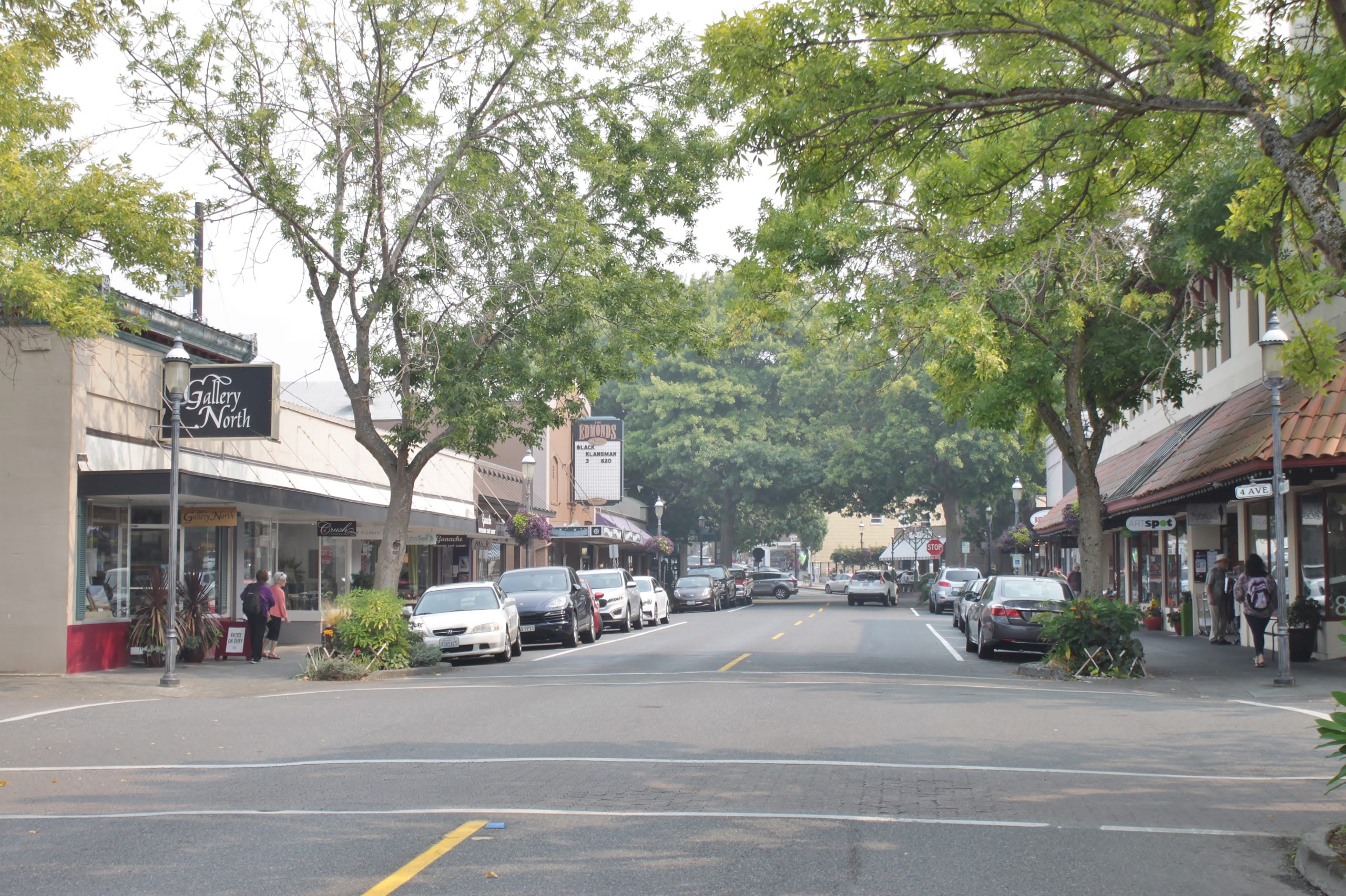
Photo credits: downtown Edmonds aerial photo by Sea Cow, and Main Street Edmonds photo by SounderBruce, both licensed CC BY-SA 4.0 via Wikimedia Commons.
For the full neighborhood overview, see my Edmonds neighborhood guide.

About Emily Cressey
Emily Cressey is a REALTOR®, Broker, and Team Lead at HomePro Associates, affiliated with Keller Williams Greater Seattle. She has served buyers, sellers, and investors throughout King and Snohomish counties for over 20 years, specializing in investment properties, rental properties, luxury homes, and residential real estate. Emily holds designations as a Certified Probate Real Estate Agent (CPREA) and KW Real Estate Planner.
Reach her at 206-245-8813 or HomeProAssociates.com.
Related reading: Edmonds, WA Real Estate Market Update: What Buyers and Sellers Should Know | Is Edmonds, WA a Good Place to Live? A Local Guide

About the Author: Emily Cressey
Emily Cressey is a Seattle-area listing agent and REALTOR® with HomePro Associates at Keller Williams Greater Seattle, known for partnering with sellers by investing her own funds into every listing to make sure it’s looking its best. Whether that’s through getting some new paint, staging, minor repairs, professional cleaning, or whatever it takes to get top dollar for your sale. A real estate investor since 2002 and a licensed broker since 2008, her goal is simple: sell it for top dollar in a way that’s time-efficient and low-stress for the owner. Outside of work, she’s an avid rose gardener, which may explain her eye for curb appeal.
Thinking about selling your home? Call or text Emily at 206-245-8813, book a free call. We make real estate EASY for you.
WA Real Estate License #20109399 · Verify at WA DOL