5 Mistakes to Avoid When Buying a Home in Shoreline, WA
What mistakes do Shoreline, WA buyers make most often? They underestimate how fast the light rail area is changing, skip thorough inspections on older homes, and skip the real commute math before choosing a neighborhood.
Shoreline has spent years playing the role of the sensible, practical choice north of Seattle. Close enough to commute, far enough to get a real backyard, and priced below most of Seattle proper. That reputation is still partly earned. The city has good bones: established neighborhoods, decent schools, solid parks, and easy access to I-5 and Aurora Avenue North. Buyers who understand what they’re buying tend to be happy there.
The problem is that Shoreline is changing faster than most buyers realize. The Lynnwood Link Extension brought two light rail stations to Shoreline in 2024: Shoreline South/148th and Shoreline North/185th. That sounds like straightforward good news, and for commuters it is. But the transit story has a second chapter that’s less visible in listing photos: upzoning, new construction, and density changes already reshaping blocks around the stations that will keep reshaping them for the next decade.
This post covers the five mistakes I see Shoreline buyers make most often. Some are universal to buying anywhere in King County. Some are very specific to where this city is right now. All of them are avoidable if you know what to look for before you write an offer.
Mistake #1: Treating All of Shoreline Like One Neighborhood
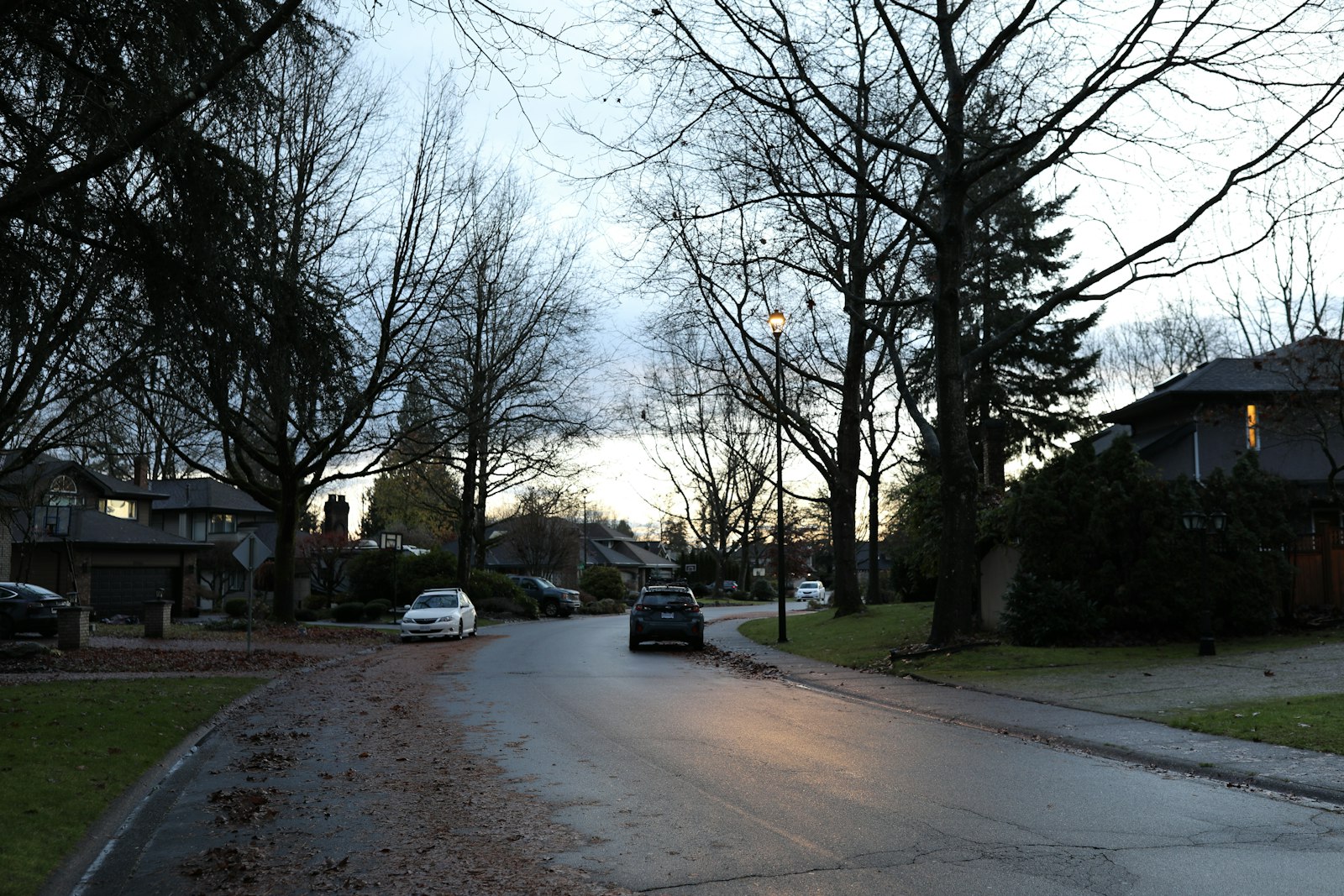
Buyers sometimes talk about “buying in Shoreline” like it’s a single destination. It isn’t. Shoreline covers roughly 11 square miles, and the experience of living there varies significantly depending on exactly where you land.
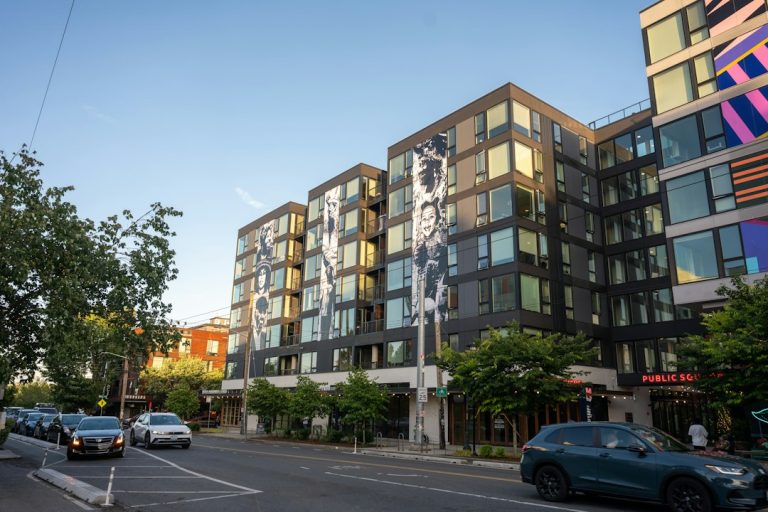
The neighborhoods near the light rail stations, particularly around 148th and 185th, are going through active transformation. You’ll find new mid-rise apartment buildings going up next to 1960s ranch homes. The character of these blocks is still forming. What you see today may look meaningfully different in five years, both in terms of what surrounds you and in terms of property values.
Further west, toward Richmond Beach Saltwater Park and the Puget Sound waterfront, the feel shifts considerably. These areas tend to be quieter, more wooded, and more insulated from the density conversation happening near the transit corridors. Richmond Beach in particular has a different buyer profile: people who want a neighborhood identity, some water access, and buffer from commercial growth. Homes here tend to hold their character well because the geography limits how much can be built.
The Ridgecrest area, east of Aurora Avenue North, offers a more traditional suburban feel with solid interstate access. But Aurora itself is a high-traffic commercial corridor. Living one block off Aurora is a different experience from living half a mile east in a quiet residential pocket. Noise, access, and daily quality of life diverge meaningfully.
Even within the light rail station areas, there’s variation. A home on the east side of I-5 near the 185th station has a different context than one in the residential streets northwest of the station. Traffic patterns, proximity to freeway noise, walkability scores, and future development risk all differ depending on which side of which road you’re on.
When you’re comparing homes in Shoreline, don’t just compare price per square foot. Compare the block, the zoning on neighboring parcels, the street context, and which version of Shoreline fits your actual lifestyle. Shoreline is not one city, it’s several neighborhoods that happen to share a zip code.
Mistake #2: Not Understanding What the Light Rail Actually Means for Your Specific Block
The Lynnwood Link Extension is genuinely useful if you commute to downtown Seattle, Capitol Hill, the University District, or anywhere else on the Sound Transit Link line. The Shoreline South/148th and Shoreline North/185th stations give riders direct service into downtown Seattle in roughly 30 to 35 minutes without sitting in I-5 traffic. For certain commuters, this is a meaningful quality-of-life upgrade that changes the calculus on where to live.
But the light rail story has a second chapter that fewer buyers are tracking.
To support ridership and housing supply near transit, Shoreline adopted updated zoning codes that allow considerably more density around the stations. “Walkable distance” from a Link station can now include land zoned for buildings up to six stories. If you’re buying a single-family home in a zone that allows that kind of redevelopment, your neighbor can sell their property to a developer next year, demolish the house, and build a five-story apartment building in its place. Legally. Without your input.
That’s not inherently a deal-breaker. Some buyers are fine with that kind of neighborhood evolution, or even excited about it. What’s not OK is being surprised by it six months after closing because you didn’t check the zoning map. Kenmore buyers are watching the same transit-driven upzoning debate play out, and it tends to move home values in similar ways.
Before you get serious about any property, pull the parcel’s zoning designation. The City of Shoreline’s light rail station area planning page shows how each subarea is being rezoned and what’s already been proposed or approved.

If the land around a home you’re considering is zoned Mixed Use Medium or High Density, understand what that zoning permits before you fall in love with the block. A real estate agent who knows Shoreline can walk you through what the maps actually show versus what the listing photos make it look like.
For buyers who want a more stable, established residential neighborhood with less development pressure, the answer is generally to look further from the station areas, toward the western and northern parts of the city. For buyers who like urban energy and don’t mind watching a neighborhood change around them, the station-area blocks can be interesting. Just go in knowing which kind of buyer you are.
Mistake #3: Not Inspecting Mid-Century Homes Like Mid-Century Homes
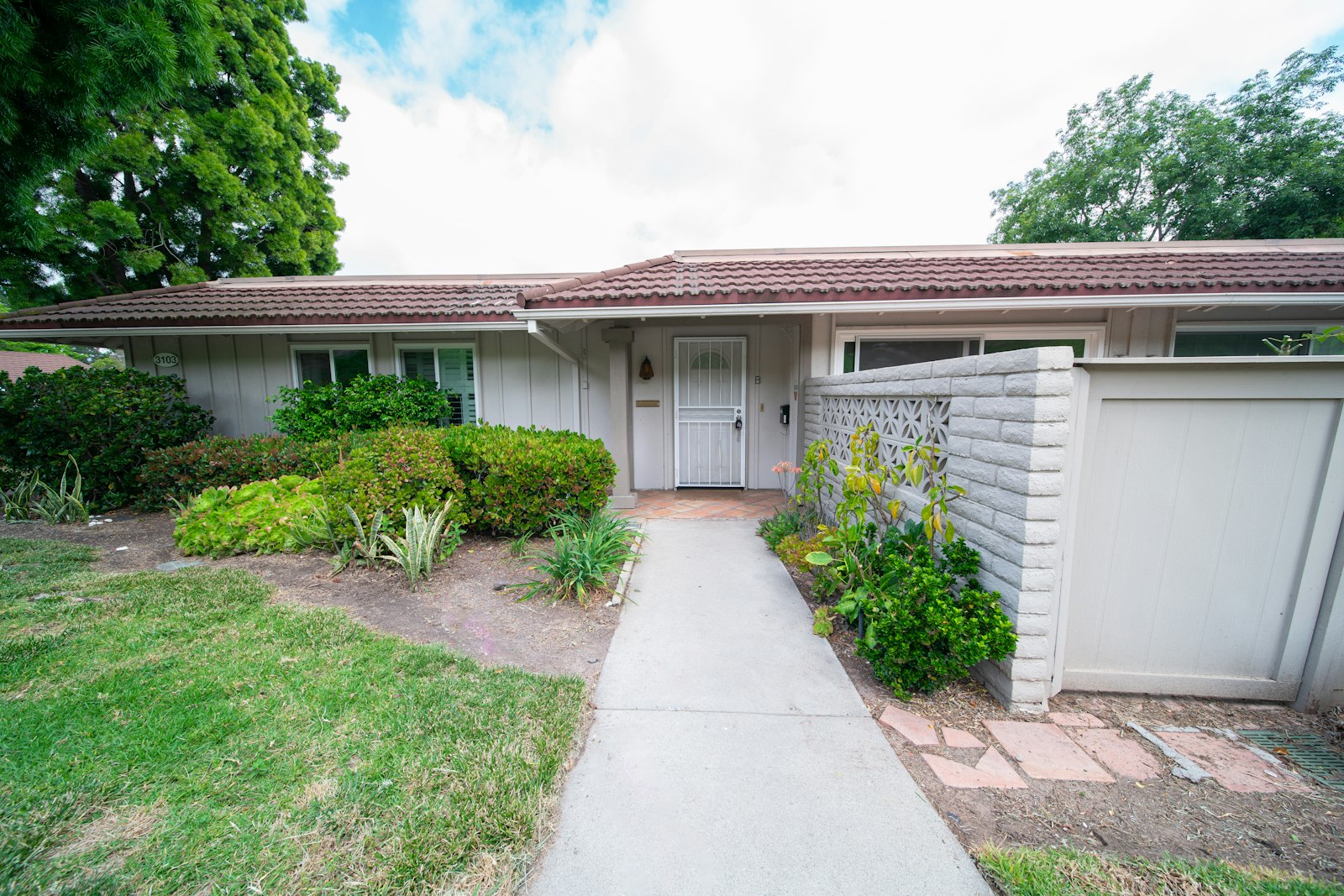
A significant portion of Shoreline’s housing stock was built between 1945 and 1975. These are your 1,300-to-1,600-square-foot three-bedrooms with a carport, a half-finished basement, and a kitchen that’s been refreshed once or twice since the seventies. They’re everywhere in Shoreline, and many of them are genuinely solid homes.
Sellers often do a round of cosmetic updates before listing: new paint, new LVP flooring, updated hardware, maybe a new countertop. The homes look clean and move-in ready. And sometimes they are. The paint is fresh and that’s all there is to say.
But cosmetic updates don’t touch what’s behind the walls. And in homes from this era, what’s behind the walls can be expensive.
Here’s a reference for what a thorough inspector should flag in a Shoreline mid-century home:
| System | What to Look For | Why It Matters |
|---|---|---|
| Electrical panel | Federal Pacific or Zinsco brands | Known failure rates; often flagged by insurers and lenders as uninsurable |
| Wiring | Knob-and-tube wiring in pre-1950 homes | May be uninsurable as-is; expensive to replace |
| Plumbing supply lines | Galvanized steel pipe | Corrodes from the inside out; reduces pressure and eventually fails |
| Drain lines and sewer lateral | Cast iron or clay pipes; tree root intrusion | Common failure point; a sewer scope reveals cracks, offsets, or blockages before closing |
| Foundation | Concrete block construction, moisture staining, efflorescence | Common in this era; check exterior drainage and interior wall conditions |
| Attic insulation | Vermiculite (could contain asbestos); degraded fiberglass | Vermiculite should be tested before disturbance; remediation adds cost |
| Roof | Original composition shingles; single-layer installations | Age and remaining lifespan matter; negotiate or budget accordingly |
A standard general inspection is the starting point, not the finish line, for a home from this era. Add a sewer scope. It costs roughly $150 to $200 and takes about an hour. The camera travels down the drain line and shows you exactly what’s in there: sometimes nothing noteworthy, sometimes tree roots or cracks that will cost thousands to fix. Knowing before you close is always better than knowing after.
If the panel is an older brand, ask your inspector to call it out specifically and get a licensed electrician’s assessment before you remove your inspection contingency. Washington State licenses home inspectors through the Department of Licensing. If you see moisture staining anywhere in the basement or crawl space, get a specialist in to evaluate the drainage situation rather than just noting it as something to watch.
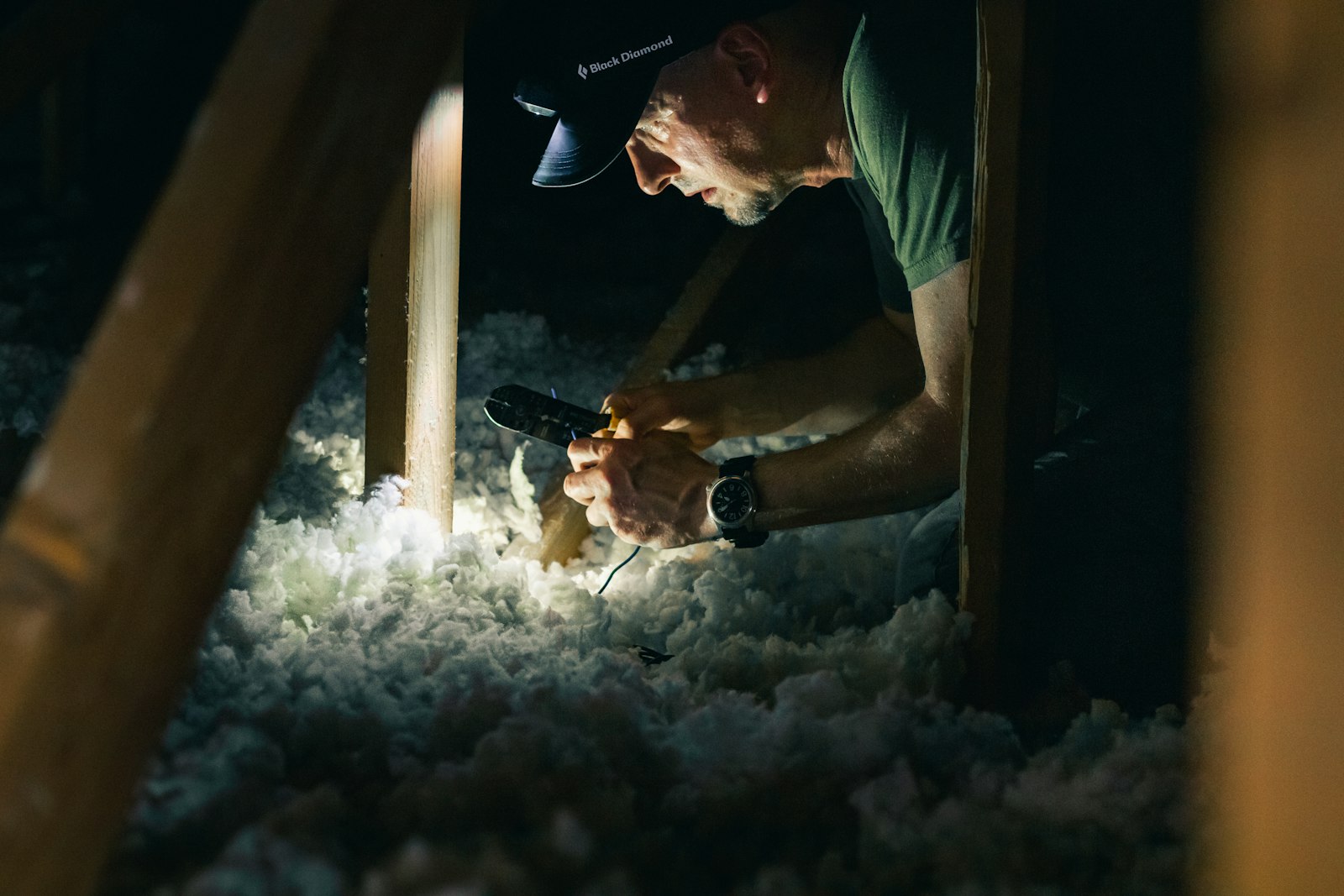
The goal here isn’t to walk away from every older home in Shoreline. Many of these mid-century houses are in solid shape. The goal is to know what you’re buying, so you can negotiate based on reality rather than assumptions, and budget for what’s actually there.
Mistake #4: Not Running the Actual Commute, Not the Theoretical One
Shoreline is regularly marketed on its commute story. “It’s 15 minutes to Seattle!” That’s true at 10am on a Tuesday.
Before you commit to a specific address, drive the commute at the time you’d actually drive it. If you’re heading downtown, get on the road at 7:30am on a weekday and time it. Come home at 5:30pm. See what actually happens to your morning.
Aurora Avenue North, which runs north-south through much of Shoreline, is a major arterial with a long series of traffic signals, bus stops, and commercial driveways. It moves slowly during peak hours. I-5 backs up significantly between 145th Street and the Mercer Street interchange. And even the light rail adds time at both ends: driving or walking to the station, waiting on the platform, riding the train, then getting from wherever you exit to wherever you’re actually going.
None of this disqualifies Shoreline. It means the commute needs to be understood specifically before you sign, not assumed based on the map.
Here’s a practical framework for when light rail genuinely improves the commute versus when driving is probably still your daily reality:
| Factor | Light Rail Works Well | Driving Is Likely Your Reality |
|---|---|---|
| Workplace location | Near a Link station: downtown Seattle, Capitol Hill, UW, Eastside via transfer | Kirkland, Redmond, suburban Bellevue, South King County, or any location not near a station |
| Getting to the station | You can walk, bike, or park consistently near Shoreline South or North | You’d need to drive to the station and deal with limited or paid parking |
| Schedule type | Standard office hours, no daily pickups or drop-offs required | School runs, client visits, job sites, or irregular hours |
| “Last mile” tolerance | Comfortable adding 15-20 minutes at each end for walking and connections | Want door-to-door efficiency, especially during Seattle’s wet months |
One more thing: if you’re relocating from another city and considering Shoreline for its proximity to Microsoft or Amazon campuses on the Eastside, know that those commutes primarily go east on SR-522 or south on I-5 to I-405, not along the Link line. Light rail doesn’t help with Eastside commutes in any meaningful way right now. Check your actual route before you choose a neighborhood based on transit access.
A good buyer’s agent who knows King County can help you map real commute scenarios against the specific blocks you’re considering. Don’t skip this step. Commute regret is one of the most commonly cited issues among buyers who chose a home based on how the drive looks on paper at noon rather than how it actually feels at 8am every weekday.
Mistake #5: Anchoring on List Price Without Understanding the Real Cost Picture
This mistake comes in two flavors, and they’re nearly opposites of each other.
Some buyers arrive in Shoreline assuming it’s the budget option within King County and therefore less competitive than Seattle or the Eastside. That’s sometimes wrong. Well-priced, well-presented homes in good Shoreline neighborhoods still move quickly and can attract multiple offers. The homes that sit are usually overpriced, in a challenging location, or have condition issues that buyers can see.
Other buyers, particularly those relocating from expensive markets like the Bay Area or New York City, walk in prepared to pay whatever it takes. They sometimes overpay for homes that aren’t commanding the premium they’re offering, because they’re calibrating against their previous market rather than against what Shoreline homes have actually been trading for.
The right approach is to understand what’s actually happening at your price point right now: how long comparable homes have been sitting, how often they sell above versus below list price, what the price per square foot looks like for updated versus unupdated homes. This data exists in the MLS. Your agent should be pulling it for you before you write any offer.
Beyond the purchase price itself, buyers in Shoreline regularly underestimate the carrying costs of homeownership, especially on older homes. Here’s a quick reference for what to budget beyond the mortgage payment:
| Cost Category | Notes for Shoreline Buyers |
|---|---|
| Property taxes | King County rates; look up the specific parcel on the King County Assessor’s property lookup to see the actual assessed value and current levy rate |
| Homeowners insurance | Older homes with dated electrical or aging roofs cost more to insure; get an insurance quote before you remove contingencies, not after |
| HOA fees (if applicable) | Common in new townhome and condo developments near the stations; review the reserve fund balance and budget documents before buying |
| Sewer and water | May be Shoreline Water District or Seattle Public Utilities depending on exact location; confirm which utility serves the property and what rates apply |
| Annual maintenance reserve | For mid-century homes, budget at least 1% to 2% of home value annually for repairs and upkeep |
We’re also working on a much deeper look at what buying in Shoreline actually costs from day one through year five, covering closing costs, carrying costs, and the numbers most buyers overlook until they’re already past the point of no return. Check back on the blog for that full breakdown soon.
A Few More Things Worth Knowing Before You Buy in Shoreline
Beyond the five main mistakes, a few other issues come up regularly with Shoreline buyers that are worth a quick mention.
HOA reserve fund risk on newer properties. The townhomes and condos going up near the light rail stations often have HOAs. A well-funded HOA is manageable. An HOA with a weak reserve fund and deferred maintenance is a future special assessment waiting to happen. Before you close on any HOA property, request the most recent budget, reserve study, and meeting minutes. If the reserve fund is below 70% of the recommended threshold, that’s a conversation worth having with your agent before you commit.
Creek corridor drainage issues. Shoreline has several creek systems, including McAleer Creek and upper tributaries of Thornton Creek. Properties near these waterways can have seasonal drainage challenges, especially from November through March. If a home is in a low-lying area or shows any sign of previous water intrusion, ask for the seller’s disclosure statement and have your inspector prioritize the drainage and foundation situation.
Zoning for accessory dwelling units (ADUs). Washington State has been expanding ADU rights, and many Shoreline properties can now support an attached or detached accessory unit. If a mortgage payment is a stretch and rental income would help, ask whether the property is ADU-eligible and what the permitting process looks like. It’s not a fit for every buyer or every property, but it’s worth understanding early.
For a broader look at what to expect from the whole purchase process in Shoreline, Buying a Home in Shoreline, WA: What You Need to Know in 2026 walks through the full timeline from first search to close. And if you want to know exactly what you’ll need in cash on closing day, the buyer closing costs breakdown for Shoreline has those numbers laid out clearly.
FAQ: Buying a Home in Shoreline, WA
Is Shoreline a good place to buy a home right now?
Shoreline is a solid market for buyers who want proximity to Seattle without Seattle prices. The light rail expansion has added real transit value for certain commuters, and the city is actively growing. The key is understanding the difference between neighborhoods near the stations (which are changing quickly) and the quieter residential areas to the west and north. Both can be good choices, but they’re different experiences that suit different buyers.
How does the Lynnwood Link light rail affect home buying in Shoreline?
The two Shoreline Link stations, at 148th and 185th, give commuters direct service to downtown Seattle in roughly 30 to 35 minutes. That’s a genuine benefit if your workplace is on the line. The less-discussed impact is zoning: Shoreline has upzoned the areas around the stations to allow much more density. Buyers near the stations should check parcel zoning before making an offer, since neighboring properties may be legally entitled to redevelop into multi-story buildings.
What should I inspect on an older Shoreline home before buying?
For homes built before 1975, the highest-priority items are the electrical panel (flag Federal Pacific or Zinsco brands), plumbing type (galvanized pipes corrode from the inside), the sewer lateral (add a scope to any standard inspection), foundation moisture, and attic insulation type. A general inspection is the starting point, not the finish line. Adding a sewer scope for around $150 to $200 is almost always worth it on homes from this era.
Are there HOA communities in Shoreline, WA?
Many of the newer townhomes and condos being built near the light rail stations have HOAs. Older single-family home neighborhoods generally don’t. If you’re buying in an HOA community, review the budget, reserve fund balance, and meeting minutes from the past two years before you commit. A reserve fund below 70% of the recommended level is a red flag for future special assessments.
How competitive is the Shoreline real estate market for buyers?
Shoreline is an active market. Well-priced, well-presented homes in desirable neighborhoods typically sell quickly and can draw multiple offers. Overpriced homes or homes with visible condition issues sit longer. The best approach is to review recent comparable sales before you write any offer, so you’re bidding based on actual market data rather than assumptions about what a fair price looks like.
Ready to Buy in Shoreline? Let’s Talk.
Shoreline is a genuinely good market, and the light rail has made it better for the right buyer. But it rewards preparation. Knowing your neighborhood, running your real commute, doing the inspection work properly, and understanding the full cost picture before you make an offer: those are the things that separate buyers who feel confident about their purchase a year later from the ones who have regrets.
For the full neighborhood overview, see my Shoreline neighborhood guide.

Ready to start your Shoreline home search? Reach out at HomeProAssociates.com or call or text 206-245-8813. You can also download Emily’s free buyer guide, The Real Cost of Buying a Home, to get the full cost picture before you make any decisions.