Buying a Rental Property in Kenmore, WA: What Landlords Should Know Before Making an Offer
What should landlords know before buying a rental property in Kenmore, WA?
As of mid-2026, the biggest factor for landlords buying rental property in Kenmore, WA isn’t price. It’s Washington’s HB 1217 rent law, capping annual rent increases at 7% plus inflation (or 10%) with 90 days’ notice required.
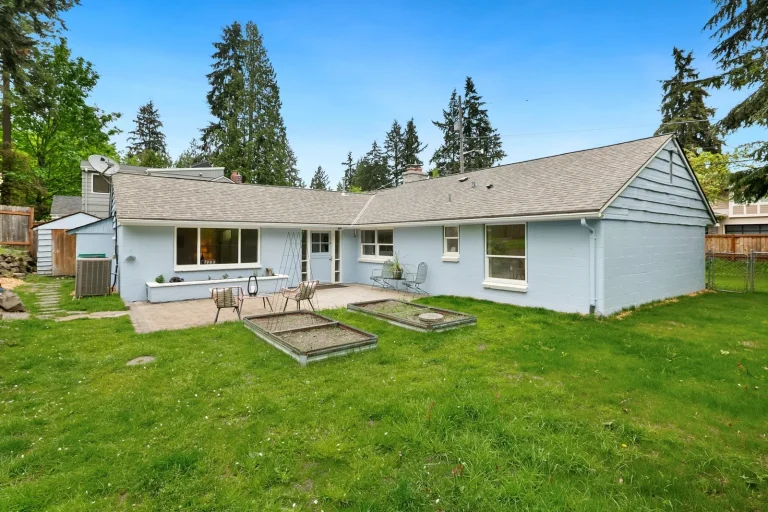
Last year, I had a mom in Kenmore reach out to me because she was thinking of selling a house she had purchased relatively recently, and was also considering turning it into a rental. She had bought it as an investment when her girls were going to school, and they were going to live there.
It ended up needing some work done to it over time, and just a few short years later, the girls had moved on with different jobs and life situations. She was considering her options and what to do with the home.
If you are considering buying a home to use as a rental or investment in Kenmore, it’s a good idea to way the options, especially in this high cost of living area, before jumping into the deep end.
Why Investors Keep Looking at Kenmore
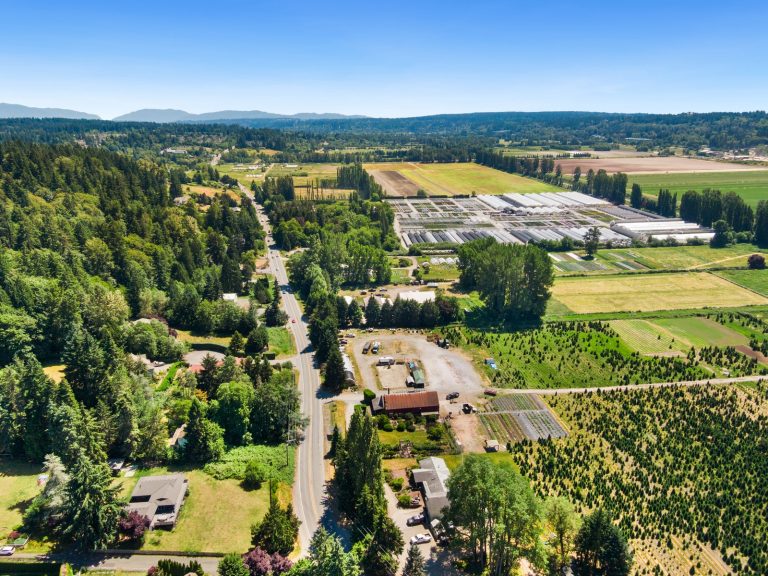
Kenmore sits at the north end of Lake Washington, wedged between Bothell, Lake Forest Park, and the Sammamish River, with a public seaplane base that gives the small city an identity distinct from its neighbors. That geography matters for rental demand: Kenmore gives tenants access to the Eastside tech corridor and Seattle’s job centers without Seattle’s price tag, which is exactly the kind of positioning that keeps a rental unit occupied.
The numbers back that up. Rental prices in Kenmore have been on a steady upward trend due to limited inventory and consistent demand, with options ranging from one-bedroom apartments in the $1,700s up to larger single-family homes pushing into the $4,000s. About 29% of Kenmore residents rent rather than own, which is a smaller renter pool than you’ll find in denser parts of King County. That smaller pool also means less competition from other landlords for the same tenants.
Washington’s Rent Stabilization Law: What HB 1217 Means for Kenmore Landlords
If you bought a rental in Kenmore five years ago, you set rent however the market allowed. That changed in 2025. Washington became the third state, after Oregon and California, to pass statewide rent control when Governor Bob Ferguson signed HB 1217. The law is now in effect, and every landlord buying a rental property in Kenmore needs to underwrite around it, not around the old rules.
Here’s what actually changed. Rent can’t be increased at all during a tenant’s first 12 months. After that, increases are capped at 7% plus the Consumer Price Index or 10%, whichever is lower, in any rolling 12-month period. You’re required to give at least 90 days’ written notice before any increase takes effect. And you can’t charge more than a 5% premium for a month-to-month lease versus a fixed-term lease on the same unit, a provision aimed at landlords who used to push tenants toward pricier month-to-month terms.
There’s one exemption worth knowing if you’re considering new construction: buildings are exempt from the rent increase caps for 12 years from their first certificate of occupancy. Owner-occupied units and nonprofit-owned properties are also exempt. For most existing single-family rentals and older multi-unit buildings in Kenmore, though, the caps apply in full. The Washington State Department of Commerce’s HB 1217 Landlord Resource Center keeps an updated summary of compliance requirements, and the Washington Attorney General’s landlord-tenant page covers the broader legal framework landlords operate under statewide.
Have questions about how HB 1217 affects a specific property you’re considering in Kenmore? Text HOME to 206-245-8813 and Emily will reach out to help.

What a Rental Property Actually Costs to Buy in Kenmore Right Now
The median home sale price in Kenmore was about $853,500 as of April 2026, according to Redfin’s Kenmore housing market data, though that figure has been trending down slightly year-over-year even as average home values have inched up. Inventory sits at around 91 active listings, which works out to roughly 3.6 months of supply. Homes are still going under contract fast, averaging about 8 days on market with multiple offers common on well-priced properties.
| Metric | Kenmore, WA (2026) |
|---|---|
| Median home sale price | ~$853,500 |
| Average monthly rent | ~$2,150 |
| Active listings | ~91 |
| Months of supply | ~3.6 |
| Average days on market | ~8 |
| Annual rent increase cap (HB 1217) | Lesser of 7% + CPI or 10% (5% for manufactured homes) |
| Required notice for a rent increase | 90 days |
That combination, a competitive purchase market paired with rents that still have room to grow within HB 1217’s caps, is the calculation every landlord needs to run before making an offer. At roughly $2,150 in average monthly rent against an $850K purchase price, gross rental yield alone won’t make the deal look dramatic; the case for buying in Kenmore usually rests more on long-term appreciation and North King County positioning than on immediate cash flow. Run the numbers on financing costs, property taxes, insurance, and a realistic vacancy allowance before you get attached to a specific address.
What to Check Before Making an Offer on a Kenmore Rental
A few things matter more for investment purchases than for a standard owner-occupied home purchase:
Financing terms. Investment property loans carry higher down payment requirements (typically 20-25%) and higher rates than owner-occupied mortgages. If you’re buying based on projected rental income rather than personal income, ask your lender early whether a DSCR (debt-service coverage ratio) loan makes sense, since it qualifies you on the property’s rent potential rather than your personal W-2 income.
Existing tenants. If the property you’re considering already has a tenant in place, get the current lease terms, security deposit amount, and payment history before closing. Under HB 1217, you inherit that tenancy’s rent-increase clock. You can’t reset it just because ownership changed hands.
Flood and drainage exposure. Kenmore’s proximity to Lake Washington and the Sammamish River means some parcels near the water carry flood zone designations that affect insurance costs. Confirm flood zone status and get an insurance quote before your financing contingency expires, not after.
HOA and rental restrictions. Some condo and townhome HOAs cap the percentage of units that can be rented out at any given time, or require board approval before you lease a unit. Get the HOA’s governing documents and rental policy before writing an offer, not after you’re under contract.

How Kenmore Compares to Nearby Rental Markets
Kenmore isn’t the only North King County city landlords are circling right now. Bothell, a few miles northeast, carries a similar median price point but a denser mix of townhomes and new construction, which can mean lower maintenance costs but tighter rental caps in HOA communities. Lake Forest Park, just southwest, trades Kenmore’s seaplane-and-lake draw for a quieter, more wooded feel and a smaller total rental inventory, so vacancy risk can run higher if a tenant gives notice. Kirkland, across the lake, commands a real premium for its walkable downtown and Eastside job access, often 20-25% above Kenmore’s price point for comparable rental yield.
For a landlord weighing all four, the practical difference comes down to tenant pool depth and price ceiling. Kenmore’s tenant base leans toward Eastside commuters and renters affiliated with Bastyr University, a fairly stable draw that doesn’t swing as hard with tech-sector layoffs as Kirkland’s can. If you’re deciding between Kenmore and a neighboring city, run the same HB 1217-adjusted rent math on each before committing capital to one over another. The statewide caps apply the same everywhere, but local rent ceilings and tenant demand won’t.
Tax Considerations Every Kenmore Rental Investor Should Know
A rental property purchase in Kenmore comes with tax mechanics that don’t apply to an owner-occupied purchase, and they can change the real return on a deal that looks marginal on paper. Depreciation is the biggest one: the IRS lets you deduct the value of the structure, not the land, over 27.5 years for residential rental property. On a $700,000 structure value, that’s roughly $25,000 a year in non-cash deductions that offset rental income on your tax return, even in years the property generates positive cash flow.
If you eventually sell, a 1031 exchange lets you defer capital gains tax by rolling the proceeds into another investment property, as long as you follow the IRS’s timelines of 45 days to identify a replacement property and 180 days to close. This is a common strategy for landlords who want to move capital from a Kenmore rental into a larger property, or into a market with better cash flow, without triggering a tax bill in the process.
Passive activity loss rules also matter if the property runs a paper loss after depreciation. Most landlords can only deduct up to $25,000 of passive rental losses against other income, and that allowance phases out above certain income thresholds, so higher earners may need real estate professional status to use the deduction fully. None of this replaces advice from a CPA who specializes in real estate, but knowing the levers exist before you buy helps you evaluate a Kenmore rental on its actual after-tax return, not just the numbers on the listing sheet.
Working With an Investor-Focused Agent in Kenmore
Buying a rental property is a different transaction than buying a home to live in. The questions you ask about a property, the contingencies you negotiate, and the numbers you run before making an offer are all different. If you’re weighing Kenmore against other parts of North King County, it’s worth reading through what first-time investors typically get wrong, understanding what makes Kenmore attractive for rental investors in our full Kenmore neighborhood guide, and tracking how the transit expansion could affect home values in the area.
Frequently Asked Questions
Can I still raise rent as much as I want on a Kenmore rental property?
No. Under HB 1217, Washington’s 2025 rent stabilization law, annual rent increases on existing tenancies are capped at the lesser of 7% plus CPI or 10% (5% for manufactured homes), and you must give at least 90 days’ notice. New buildings are exempt from the cap for 12 years after their first certificate of occupancy.
What’s a realistic down payment for a rental property in Kenmore, WA?
Most lenders require 20-25% down on a non-owner-occupied investment property, higher than the 3-5% common for owner-occupied purchases. Some investors use DSCR loans that qualify based on the property’s rental income rather than personal income, though these typically come with higher rates and larger down payment requirements.
Are there restrictions on short-term or Airbnb-style rentals in Kenmore?
Kenmore regulates short-term rentals through its municipal code, and some HOAs separately prohibit or limit them regardless of city rules. If short-term rental income is part of your plan for a property, confirm both the city’s current short-term rental rules and any HOA restrictions before making an offer.
How long does it typically take to close on an investment property in Kenmore?
A conventional investment property purchase in Kenmore typically closes in 30-45 days, similar to an owner-occupied purchase, though DSCR and portfolio loans can sometimes close faster since they skip personal income verification. Cash offers can close in as little as 1-2 weeks.
Ready to talk through what buying a rental property in Kenmore looks like for your situation? Text HOME to 206-245-8813 and I’ll reach out to set up a conversation. No pressure, just a straightforward look at your options.
Or visit HomeProAssociates.com to browse listings and learn more.

About the Author: Emily Cressey
Emily Cressey is a Seattle-area buyer’s agent and REALTOR® with HomePro Associates at Keller Williams Greater Seattle, specializing in relocation, first-time buyers, buy-sell transactions, downsizers, and new construction purchases across King and Snohomish Counties. A real estate investor since 2002 and a licensed broker since 2008, she grew up in Shoreline, WA and has guided buyers through every kind of market to help them find a home they love that will be a profitable long-term investment. Emily says, “My goal is to educate buyers so they make confident decisions.”
If you’re thinking about a move, reach out to Emily here. Call or text 206-245-8813 . We make real estate EASY for you.
WA Real Estate License #20109399 · Verify at WA DOL