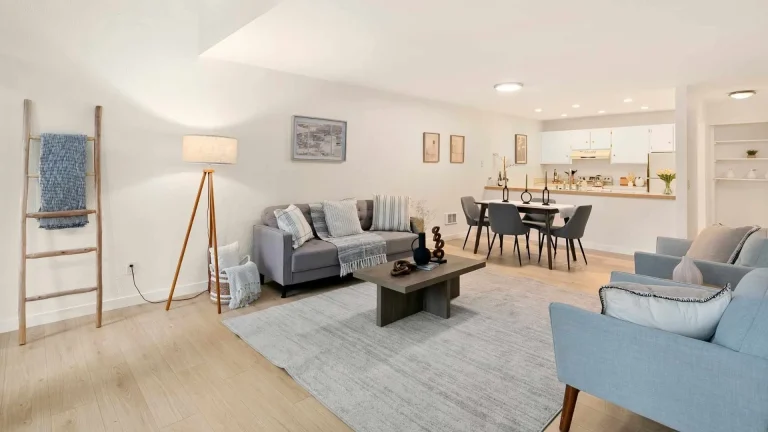
What to Expect When Buying Your First Home in Seattle
Buying your first home is exciting, but it can also feel like you are trying to learn an entirely new language.
Preapproval. Earnest money. Contingencies. Appraisal. Escrow. Closing costs.
At the same time, you are making decisions about neighborhoods, commute times, property condition, monthly payments, and your long-term future.
It is understandable to feel overwhelmed.
The good news is that you do not need to understand the entire process before you begin. You need a clear plan, a good team, and an experienced real estate agent who will help you understand each decision as it comes.
I’m Emily Cressey with HomePro Associates and Keller Williams Greater Seattle. I have been investing in real estate since 2002, and I help buyers evaluate properties from both a personal and financial perspective.
Here is what you can expect when buying your first home in the Seattle area.
Step 1: Start With Your Home-Buying Strategy
Many buyers begin by looking at homes online.
That can be fun, but it is not necessarily the best first step.
Before you start touring properties, take some time to understand why you want to buy and what you need the home to accomplish.
Ask yourself:
• Why do I want to buy a home now?
• How long do I expect to live there?
• What changes do I expect in the next three to five years?
• Will I need room for children, relatives, pets, or working from home?
• Is my priority lifestyle, financial stability, appreciation potential, or a combination of these?
• Do I need to move by a specific date?
Your answers will help shape the rest of your buying strategy.
Someone relocating for a new job may prioritize commute time and certainty of closing. A buyer hoping to start a family may care more about bedrooms, parks, schools, and long-term livability. An investor may focus more heavily on rental potential, zoning, expenses, and resale value.
There is no single correct reason to buy. The important thing is understanding your reason.
Step 2: Separate Your Must-Haves From Your Nice-to-Haves
Almost every buyer needs to make some compromises.
The goal is not to settle for the wrong home. The goal is to recognize which features truly affect your quality of life and which features could be changed later.
Possible Home Must-Haves
Your home must-haves might include:
• A minimum number of bedrooms
• A home office
• A main-floor bedroom or bathroom
• A fenced yard
• Off-street parking or a garage
• Space for pets
• Few or no stairs
• A certain amount of storage
• A condominium with an elevator
• A property that does not require major renovations
• Room for an accessory dwelling unit
• A layout that works for multigenerational living
Possible Neighborhood Must-Haves
Your neighborhood priorities might include:
• A maximum commute time
• Access to public transportation
• A particular school district
• Sidewalks and walkability
• Nearby parks or trails
• Access to shopping and restaurants
• A quieter residential setting
• Proximity to family or friends
• Easy freeway access
• A particular city or community
• Access to medical care or other important services
Possible Nice-to-Haves
Nice-to-have features might include:
• A remodeled kitchen
• Hardwood floors
• A view
• A fireplace
• A large primary suite
• An extra bedroom
• A bonus room
• A covered outdoor space
• A large lot
• Newer appliances
• A particular architectural style
• Walking distance to coffee shops or restaurants
Try to identify no more than three to five true must-haves.
If everything is a must-have, it becomes difficult to recognize a good home when you find one.
Step 3: Decide Where You Are Willing to Compromise
One of the most useful questions a buyer can ask is:
Would I rather have a nearly perfect home in a location I like, or a less-than-perfect home in the location I love?
You may be able to remodel a kitchen, replace flooring, add landscaping, or change paint colors.
You generally cannot change the home’s location, lot, traffic patterns, surrounding development, commute, or basic floor plan.
For that reason, I often encourage buyers to look beyond cosmetic finishes.
A beautifully staged home can still have a poor layout or undesirable location. A home with outdated finishes may have excellent bones, a functional floor plan, and strong long-term potential. If that sounds appealing, see how to buy a cosmetic fixer-upper and build equity.
We want to understand the difference between a problem that is inconvenient and a problem that is difficult or expensive to solve.
Step 4: Understand What You Can Comfortably Afford
The amount a lender will approve and the amount you feel comfortable spending may not be the same.
Before shopping for homes, think about your complete monthly housing expense.
That may include:
• Mortgage principal and interest
• Property taxes
• Homeowners insurance
• Mortgage insurance
• Homeowners association dues
• Utilities
• Maintenance and repairs
You should also consider the savings you want to retain after closing.
Homeownership comes with ongoing expenses. Appliances break. Roofs eventually need replacement. Plumbing leaks happen. Even a well-maintained home will require periodic repairs.
You may also want money available for moving, furniture, improvements, landscaping, or an emergency fund.
A good lender can help you compare loan programs, down-payment options, interest rates, estimated closing costs, and monthly payments.
My goal is not to convince you to spend the maximum amount for which you qualify. My goal is to help you find a home that fits comfortably into the rest of your financial life.
Step 5: Get Preapproved for Financing
Unless you are paying cash, you will generally need a mortgage preapproval before making a serious offer.
Your lender will typically review your:
• Income
• Employment history
• Credit
• Assets
• Debts
• Available funds for your down payment and closing costs
A preapproval helps you understand your buying power and allows you to act more quickly when you find the right home.
After you are preapproved, avoid making major financial changes without speaking with your lender.
Do not assume that a new car loan, job change, large bank transfer, new credit card, or major purchase will not affect your mortgage. Even a seemingly minor decision can change your loan qualification.
When in doubt, call your lender before making the change.
Step 6: Choose Your Buyer’s Agent
Your real estate agent should do much more than open doors.
Your agent should help you:
• Build a buying strategy
• Understand local market conditions
• Identify suitable properties
• Evaluate neighborhood and resale considerations
• Review comparable sales
• Understand property disclosures
• Prepare and explain your offer
• Negotiate with the seller
• Track contractual deadlines
• Coordinate with your lender, inspector, escrow officer, and other professionals
• Navigate problems when they arise
Before touring homes, your agent should also explain how buyer representation works, what services will be provided, and how agent compensation will be addressed.
You should understand the relationship before you begin making major decisions.
Step 7: Begin Your Home Search
Once your strategy and financing are in place, the search can begin.
The Seattle region is not one single real estate market.
A condominium in downtown Seattle may have very different market conditions from a house in Shoreline, Edmonds, Bellevue, Redmond, Renton, Tacoma, or Lake Forest Park.
Conditions may also vary by price range, property type, school district, condition, and neighborhood.
When evaluating a particular area or property, we may look at:
• Active listings
• Pending sales
• Recent comparable sales
• Days on market
• Price reductions
• Competition from other buyers
• The relationship between list price and sale price
• The availability of similar homes
This information helps us determine how much negotiating leverage you may have and whether a property is priced appropriately.
Step 8: Learn How to Evaluate a Home
When you walk into a home, it is easy to be influenced by attractive furniture, fresh paint, beautiful lighting, or a recently remodeled kitchen.
Those things matter, but they should not distract you from the fundamentals.
I encourage buyers to evaluate four primary areas.
Location
Consider the commute, street, traffic, nearby properties, services, noise, schools, parks, transportation, and future development.
Visit the neighborhood at different times when possible. A quiet street on a Sunday afternoon may feel different during a weekday commute.
Layout
Ask whether the floor plan works for the way you actually live.
Is there enough storage? Do the bedrooms provide appropriate privacy? Is the kitchen functional? Are the stairs manageable? Is there a comfortable place to work from home?
Square footage alone does not tell you whether the space is usable.
Condition
Look beyond the finishes.
Depending on the property, we may need to consider the roof, foundation, drainage, electrical system, plumbing, heating, windows, siding, sewer line, retaining walls, and previous remodeling.
This does not mean every older home is a bad purchase. Many Seattle-area homes have been standing for decades and can be excellent properties.
It means we need to understand the home’s condition and maintenance needs.
Resale Potential
Even when you expect to own the home for many years, think about its future marketability.
Features such as location, parking, bedroom count, floor plan, natural light, outdoor space, and property condition may affect future demand.
You are buying a home for yourself, but you should still understand what future buyers may think about it.
Step 9: Prepare Your Offer
When you find the right home, your agent will help you prepare a written offer.
Price is important, but it is not the only term a seller may consider.
An offer may also include decisions about:
• Earnest money
• Financing
• Inspection terms
• Appraisal and financing protections
• Closing date
• Possession date
• Requested seller-paid costs
• Included appliances or personal property
• Other terms specific to the transaction
Before preparing the offer, I review comparable sales and communicate with the listing agent when appropriate.
The goal is to understand the seller’s priorities, the likely competition, and the risks and benefits of different offer strategies.
Sometimes the strongest offer is the highest price.
In other situations, a seller may care about certainty, timing, flexibility, or a particular closing arrangement.
A thoughtful offer is designed around the specific property, seller, and market conditions.
Step 10: Navigate the Inspection
After your offer is accepted, you may have an opportunity to inspect the property, depending on the terms of your contract.
A professional inspector evaluates the home’s visible and accessible systems and identifies potential concerns.
Depending on the property, you may also consider specialized evaluations such as:
• Sewer scope
• Oil tank search
• Structural evaluation
• Roof inspection
• Drainage evaluation
• Chimney inspection
• Electrical evaluation
• Plumbing evaluation
• Condominium document review
The purpose of the inspection is not necessarily to create a list of every imperfect item in the home.
The goal is to understand the property’s condition, identify significant concerns, and determine whether you are comfortable moving forward.
After reviewing the inspection information, your available options will depend on the contract you signed.
Your agent should help you understand those options and develop an appropriate response.
Step 11: Complete Financing and Appraisal
While inspections are taking place, your lender will continue processing your loan.
You may be asked to provide updated bank statements, pay stubs, tax documents, explanations, or other information.
Respond promptly. Delays in providing documents can delay the entire transaction.
Your lender may also order an appraisal. The appraisal is performed for the lender and provides an opinion of the property’s value for financing purposes.
If an appraisal or financing issue occurs, your options will depend on the terms of your contract.
This is one of the reasons it is important to work with an experienced agent and lender who communicate well with each other.
Step 12: Prepare for Closing
As the closing date approaches, you will begin preparing for the move and final transfer of ownership.
Your closing tasks may include:
• Arranging homeowners insurance
• Reviewing final loan and closing figures
• Preparing funds for closing
• Setting up utilities
• Scheduling movers
• Changing your address
• Reviewing moving and possession arrangements
• Completing the final walkthrough
The final walkthrough is not a second home inspection.
Its purpose is generally to confirm that the property remains in the expected condition and that any agreed-upon work has been completed.
You will sign the closing documents, your lender will complete the funding process, and the transaction will be recorded.
Once the requirements of the transaction have been completed, you will receive possession and the keys according to the terms of your contract.
You Do Not Have to Navigate the Process Alone
Buying your first home is a major decision.
It is normal to have questions, feel uncertain, or need time to evaluate your options.
My job is not to pressure you into buying a particular property.
My job is to help you understand the market, evaluate the home, recognize potential risks, negotiate effectively, and make a decision that supports your goals.
The best buying experiences begin with a plan.
Before we tour homes, we will discuss:
• Why you want to buy
• Your preferred timeline
• Your comfortable price and monthly payment
• Your home and neighborhood priorities
• The compromises you are willing to make
• The areas and property types you are considering
• Your questions and concerns about the process
When you are ready to begin, schedule a buyer strategy consultation with me.
Frequently Asked Questions
How much money do I need saved before buying my first home in Seattle?
There isn’t one fixed number since it depends on your loan program, price range, and lender. Beyond your down payment, plan for closing costs, an emergency fund for repairs, and enough left over to cover moving and setup costs. A good lender can walk you through exact figures for your situation before you start touring homes.
How long does it take to buy a home in the Seattle area, start to finish?
Timelines vary a lot, but once you have an accepted offer, closing typically happens within a few weeks depending on your financing and the terms you negotiate. The search itself can take anywhere from a few weeks to several months depending on inventory, your must haves, and how competitive your price range is.
Do I need a buyer’s agent, or can I work directly with the seller’s agent?
You can represent yourself, but a buyer’s agent works only for you, not the seller, and helps you evaluate the property, negotiate terms, and manage deadlines. Before touring homes, your agent should explain how representation and compensation work so you understand the relationship from the start.
What is the biggest mistake first time buyers make in Seattle?
Shopping for homes before understanding financing and priorities. Buyers who skip preapproval or skip the must have versus nice to have exercise often waste time touring homes that were never realistic, or they freeze up when a good one finally shows up. Starting with a clear plan makes the rest of the process much smoother.

About the Author: Emily Cressey
Emily Cressey is a Seattle-area buyer’s agent and REALTOR® with HomePro Associates at Keller Williams Greater Seattle, specializing in relocation, first-time buyers, buy-sell transactions, downsizers, and new construction purchases across King and Snohomish Counties. A real estate investor since 2002 and a licensed broker since 2008, she grew up in Shoreline, WA and has guided buyers through every kind of market to help them find a home they love that will be a profitable long-term investment. Emily says, “My goal is to educate buyers so they make confident decisions.”
If you’re thinking about a move, reach out to Emily here. Call or text 206-245-8813 . We make real estate EASY for you.
WA Real Estate License #20109399 · Verify at WA DOL
Related reading: Homelessness and Safety in Seattle: What You Need to Know Before You Move