Can You Use a VA Loan to Buy a Duplex in Seattle? A Military Buyer’s Guide to House Hacking
Quick Answer
Can you use a VA loan to buy a duplex in Seattle? Yes. VA-eligible buyers can purchase a duplex, triplex, or fourplex anywhere in Greater Seattle with a VA loan, with no down payment, as long as they live in one of the units themselves.
Most people PCSing to Seattle think they have two choices. Buy a house to live in, or buy an investment property later, someday, once things settle down. Nobody tells them there’s a third option: buy a property that does both at once.
A VA loan can be used on a single-family home, a townhouse, or a multi-family property up to four units, and the only real catch is that you have to live in one of the units yourself. That means a military buyer with full VA entitlement can move into one unit of a duplex, rent out the other, and let a tenant help make the mortgage payment instead of paying rent to someone else’s landlord for the next few years until the next set of orders comes through.
I’ve helped military and veteran families relocating to the Seattle area do exactly this, and I’ve also helped plenty who just wanted a straightforward family home instead. Both are good decisions. This guide is about making sure you actually know you have the option before you decide which one is right for you.
What “House Hacking” With a VA Loan Actually Means
House hacking just means buying a property with more than one living unit, living in one, and renting out the rest. It’s not a loophole. It’s a normal, well-established use of a VA loan that a lot of veterans never hear about, mostly because the agent or lender they end up working with only shows them single-family homes.
The appeal is simple. Instead of a mortgage payment that’s 100% your expense, part of it gets covered by rent from your tenants. Some buyers use that cash flow to pay the loan down faster. Some use it to offset the higher cost of living in Seattle compared to wherever they PCSed from. Either way, you’re building equity in a property that’s also generating income, on a loan you already qualify for as a service member or veteran.

Which Properties Actually Qualify
According to the VA’s own Home Loan Guaranty Buyer’s Guide, VA-eligible buyers can “buy a single-family home, townhouse, or multi-family up to 4 units.” That means a duplex (2 units), a triplex (3 units), or a fourplex (4 units) are all fair game under a standard VA loan, the same loan you’d use to buy a single house.
| Property Type | Units | VA Loan Eligible? |
|---|---|---|
| Single-family home | 1 | Yes |
| Duplex | 2 | Yes |
| Triplex | 3 | Yes |
| Fourplex | 4 | Yes |
| 5+ unit apartment building | 5+ | No, requires a commercial loan |
The one hard line is four units. Anything larger stops being a residential VA loan property and becomes a commercial purchase, which is a different loan product entirely.
The Occupancy Rule, and What It Actually Requires
VA loans are for buyers who intend to live in the property, not for pure investment purchases. Per the VA’s own Home Loan Guaranty Buyer’s Guide, using a VA loan means “you must live in the home being bought with the loan.” That’s the core rule, and it applies whether you’re buying a single-family home or a fourplex.
In practice, on a multi-unit purchase, buyers occupy one unit and rent the others. That’s standard, common practice for VA buyers on 2-4 unit properties, though the exact mechanics of how your lender documents and verifies it can vary. Your loan officer will walk you through the specific occupancy timeline in your loan agreement, typically measured in weeks after closing, and this is worth confirming before you write an offer, especially if your PCS report date doesn’t line up neatly with a target closing date.
How Much Can You Actually Borrow?
If you have full VA entitlement, meaning you haven’t used a VA loan before, or you’ve paid off and sold a previous VA-financed home, there’s no VA-imposed ceiling on the loan amount itself. According to VA’s own loan limits page, having full entitlement doesn’t automatically qualify you for any size loan. Your lender still underwrites you the normal way, based on your credit, income, debts, and assets, and the maximum loan is capped at whichever is lower: the appraised value or the purchase price.
One detail specific to multi-unit purchases: VA guidance instructs buyers to use the one-unit county loan limit when calculating entitlement, even on a 2-4 unit property. That’s a technical point your lender will walk you through, but it’s worth knowing going in so you’re not surprised by it mid-transaction.
What If You’ve Already Used Your VA Loan Before?
A lot of military buyers relocating to Seattle aren’t first-time VA buyers. If you’ve used your entitlement on a previous home and either still own it or sold it without paying off the VA loan in full, you may only have partial, or “bonus,” entitlement left. That doesn’t rule out a multi-unit purchase, but it does change the math your lender runs, and it’s exactly the kind of detail that gets missed by an agent who isn’t used to working with repeat VA buyers. If this applies to you, it’s worth having your lender run your specific entitlement numbers before you start touring properties, not after you’ve found the one you want.
A Real Seattle-Area Example
Last year, repeat clients of mine came back wanting to buy an investment property, structured so they could owner-occupy it themselves rather than buy it purely as a rental. We searched specifically for properties with at least one vacant unit they could move into right away.
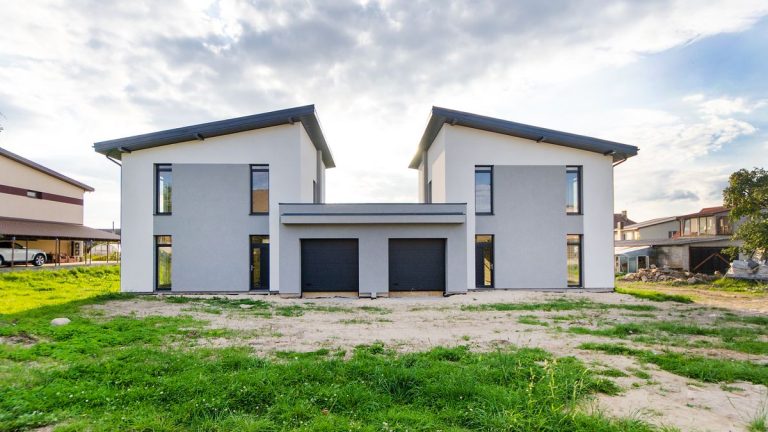
We found a fully renovated duplex south of Seattle. An investor had already redone both units’ interiors and was in the process of adjusting the property’s lot line. The seller was offering a commission incentive to me as the buyer’s agent, and instead of keeping it, I assigned that credit back to my clients, so they needed less cash of their own to get to closing.
That’s the kind of deal structuring that makes a VA house hack actually pencil out for a family working with a fixed housing allowance and a moving budget. It’s not about finding a “magic” property. It’s about knowing what to search for, and knowing which levers, like seller and agent concessions, are available to reduce what you need in cash.

Renting vs. Buying a Single-Family Home vs. House Hacking a Duplex
Every PCS family relocating to Seattle is really choosing between three paths. Here’s how they compare on the factors that matter most:
| Factor | Renting | Buying a Single-Family Home | House Hacking a Duplex/Triplex/Fourplex |
|---|---|---|---|
| Builds equity | No | Yes | Yes |
| Rental income offsets your payment | No | No | Yes |
| Landlord responsibilities | None (you’re the tenant) | None | Yes, for the other units |
| Flexibility at your next PCS | High, just don’t renew | Moderate, sell or rent it out | High, keep renting it as a full investment |
| Upfront complexity | Low | Moderate | Higher, but manageable with the right agent |
None of these is automatically the “right” answer. A single-family home is still the better fit for a lot of families, especially if managing tenants isn’t something you want to take on during a PCS move. House hacking is worth serious consideration if you’re comfortable with some added complexity in exchange for a mortgage payment that isn’t 100% yours to cover alone.
Typical Timeline for a VA Loan Duplex Purchase
PCS timing rarely lines up perfectly with the home buying process, so here’s roughly what to expect, start to finish:
| Step | Typical Timeframe |
|---|---|
| VA loan preapproval | 1-3 business days |
| Home search (2-4 unit properties, Greater Seattle) | 2-8 weeks, longer if inventory is tight |
| Offer to accepted contract | Same day to a few days |
| Contract to closing | 30-45 days |
| Move-in / occupancy | Typically within weeks of closing, per your specific loan agreement |
If your report date is firm, start the preapproval and search process as early as possible. Multi-unit properties move fast in this market, and a strong preapproval in hand is what lets you move quickly when the right one comes up.

What Most Agents Miss About VA Loans on Multi-Unit Property
A lot of buyer’s agents can show you a duplex. Fewer actually know how to structure the financing and the offer around it. Here’s what I pay close attention to on these deals:
- Rental income underwriting. Lenders can often factor projected rental income from the other units into how much you can borrow. Not every loan officer walks buyers through this correctly, and it can meaningfully change what you can afford.
- VA appraisal specifics on multi-unit property. The appraisal process for a 2-4 unit property differs from a single-family appraisal, and it can affect your timeline and your negotiating leverage.
- Lease structuring for the non-owner-occupied units. If the property comes with existing tenants, their lease terms matter enormously to your move-in timeline and your first year of ownership.
- Coordinating the purchase around a PCS timeline. Report dates, household goods shipments, and loan contingencies all have to line up, which takes active coordination, not just a generic closing date on a calendar.
This is where personal experience matters. I’ve personally owned and managed rental property, including small multifamily, since 2002, so when a client asks whether a specific duplex actually cash-flows, I’m not guessing. I’ve run those numbers on my own properties.

Where This Strategy Works Best Around Greater Seattle
Seattle proper and the Eastside (Bellevue, Kirkland, Bothell, Redmond) are two very different markets, and that distinction matters even more on multi-unit properties, since inventory, price, and lot restrictions vary block by block. King County’s job centers on the Eastside pull rental demand from tenants who want tech-corridor access without a Seattle price tag, which is exactly the tenant pool a house-hacked duplex depends on.
Snohomish County and North Seattle submarkets, places like Kenmore, Lynnwood, Edmonds, and Shoreline, tend to have more “missing middle” housing stock: duplexes and small multiplexes mixed into traditionally single-family neighborhoods. That’s exactly the inventory a VA house hack is looking for, and it’s often more attainable on a military housing allowance than comparable multi-unit inventory closer to downtown Seattle.
If you’re relocating with PCS orders and don’t yet know which submarket fits your commute, your BAH, and your family’s needs, that’s the first conversation worth having, before you start touring properties.
What Happens at Your Next PCS Move?
This is the question that stops a lot of buyers from considering a multi-unit purchase in the first place, and it shouldn’t. Most owners in this situation either keep the property as a rental, using the equity and cash flow they’ve already built as a base, or they sell it. Either path works, and which one makes sense depends on your specific goals, not on some rule that says you have to sell the moment your orders change.
The property doesn’t stop working for you just because your address does. This is worth planning for from the very start of the purchase, not something to figure out later once you’re already holding new orders.
Frequently Asked Questions
Can veterans use a VA loan to buy a duplex or triplex?
Yes. VA loans can be used on any residential property with one to four units, including duplexes, triplexes, and fourplexes, as long as the buyer occupies one unit as their primary residence.
Do I have to live in one of the units if I buy a multi-unit property with a VA loan?
Yes. VA loans require the buyer to live in the property being purchased. On a 2-4 unit property, buyers occupy one unit themselves and can rent out the others.
Is there a maximum loan amount for a VA loan on a duplex?
There’s no VA-imposed loan ceiling for buyers with full entitlement, but your lender still underwrites the loan based on your income, credit, and debts, and the loan amount can’t exceed the appraised value or purchase price, whichever is lower.
Can rental income from the other units help me qualify for a bigger VA loan?
Often, yes. Many lenders can factor projected rental income from the non-owner-occupied units into how much you qualify to borrow. The exact rules vary by lender, so this is worth confirming early with your loan officer.
What happens to my VA loan house hack after my next PCS move?
Most owners either keep the property as a rental, using the equity and rental income they’ve already built, or sell it. Either way, the property doesn’t have to stop working for you just because your orders do.
Ready to See What This Looks Like for You?
If you’re relocating to the Seattle area on PCS orders and want to know whether a duplex, triplex, or fourplex purchase makes sense for your situation, let’s talk before you start touring homes. I’ll walk you through what your VA entitlement actually gets you in this market, and whether house hacking fits your timeline and goals.
New to the area? Start with my guide to buying a home in the Seattle area with PCS orders. More background on financing and buying an investment property in the Seattle area:what landlords should know before buying rental property in Kenmore, four loan programs that can turn a mortgage “no” into a “yes”, and what a cross-country PCS-style move to Seattle actually looks like.
Text HOME to 206-245-8813, or book a free call. You can also download my free guide, Using Your VA Entitlement, for a plain-English breakdown before we talk.
Or visit HomeProAssociates.com to browse listings and learn more.


A shout-out to PCS Masters: I’m proud to be a partner agent with PCS Masters, a network that coaches military families through the whole move, from money and planning to finding a trusted agent at each new duty station. Here’s how PCS Masters and I work together.

About the Author: Emily Cressey
Emily Cressey is a REALTOR® with HomePro Associates at Keller Williams Greater Seattle and a PCS Masters partner agent. She loves working with military families, veterans, and service members, and it shows in how she works: she knows how to make a VA offer compete, how to line up a purchase with your report date, and how to tell whether a duplex or fourplex really pencils out. She has helped a retired Navy officer buy his first home in Lynnwood and an Army recruiter retire to Sequim. With over 20 years of industry experience (she became an investor in 2002), she also helps you think past move-in day to whether the house will still work for you as a rental when your next orders come.
PCSing to JBLM or Naval Station Everett, or using your VA loan here? Call or text Emily at 206-245-8813, or book a free call. We make real estate EASY for you.
WA Real Estate License #20109399 · Verify at WA DOL