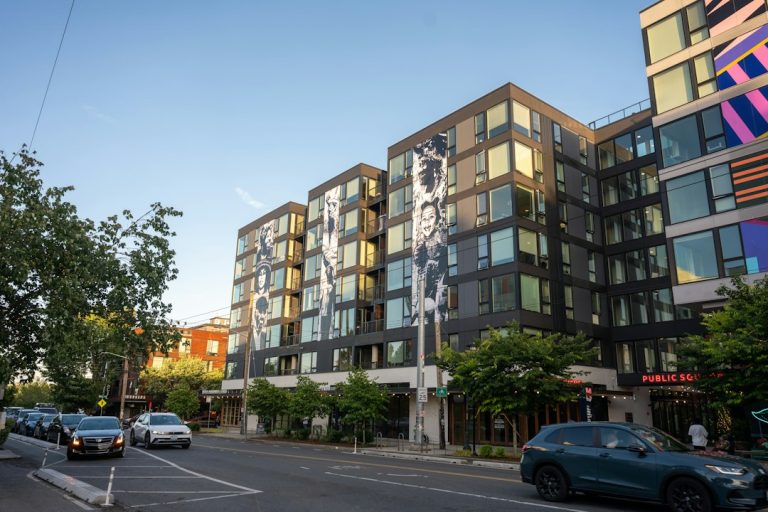
Seattle’s Density Zoning Plan Just Got Delayed Another Year. Here’s What That Means for Home Buyers.
Will Seattle’s zoning changes bring more affordable homes to the market? Not as soon as planners hoped. The Growth Management Hearings Board struck down Seattle’s Centers and Corridors zoning plan in September 2026, setting a new compliance deadline of September 2027. Even if the city meets that deadline, significant new housing supply from these zoning changes is unlikely to reach buyers before late 2027 at the earliest.
What Just Happened With Seattle Zoning
If you’ve been following the local housing conversation, you’ve probably heard about Seattle’s “Centers and Corridors” rezoning effort. The short version: Seattle has been working to allow more housing density along major transit corridors and around neighborhood centers. The idea is that if more homes can be built in these areas, supply goes up and eventually prices moderate.
In September 2026, the Washington State Growth Management Hearings Board ruled that Seattle’s implementation of this plan did not comply with state Growth Management Act requirements. The ruling effectively invalidated the existing framework and gave the city a new deadline of September 9, 2027 to get it right.
That’s a full additional year of delay on top of a process that has already taken years.
| Date | What Happened |
|---|---|
| September 2026 | Growth Management Hearings Board rules Seattle’s Centers and Corridors plan out of compliance |
| September 9, 2027 | New deadline for Seattle to submit a compliant zoning plan |
| Late 2027 or later | Earliest realistic date for any new housing supply tied to this zoning cycle to reach the market |
Why This Matters for Housing Supply
The key context is where Seattle stands today on density. According to the City of Seattle’s own planning data, only about 3% of Seattle’s land area currently allows mid-rise development. The vast majority of the city’s residential land is still zoned for single-family or low-density housing.
The Centers and Corridors plan was supposed to change that. It would have allowed more townhomes, small apartment buildings, and mixed-use structures in areas that currently permit only single-family homes. More housing types on more land means more supply. That’s the theory.
The delay doesn’t kill that goal entirely. But it pushes the timeline back significantly. And even after the zoning is approved, new housing takes time to finance, permit, design, and build. A zoning change in September 2027 does not mean new homes are on the market in 2028. Realistically, the supply impact from this particular policy cycle is several years away at minimum.
What This Means If You’re Buying in Seattle Right Now
Here’s the honest read for buyers: don’t wait for a supply surge that isn’t coming soon.
A common buyer mistake is treating policy discussions about future housing supply as a reason to postpone a purchase. “They’re going to build a lot more units, so prices should come down.” That logic has a kernel of truth in economic theory, but the timeline is long. Zoning changes, permitting, construction, and absorption all take years. The market you’re buying in today is not going to be radically reshaped by upzoning within the next 12-18 months.
What the delay does confirm is that Seattle’s housing supply constraints are structural and slow-moving. The city has been working on this for years. It hit a legal setback. It will take more time. That’s not a reason to panic, but it is a reason not to assume an easy supply wave is right around the corner.
For a broader view of what’s happening with Seattle-area inventory right now, see our post: Seattle Is a Buyer’s Market Right Now: What the Fall 2026 Numbers Show.
What About Mayor Wilson’s “Taller, Denser, Faster” Initiative?
Seattle Mayor Katie Wilson, who took office in January 2026, has been pushing a housing agenda that includes allowing more height and density in Seattle, described as “taller, denser, faster.” This is a related but separate track from the Centers and Corridors plan.
Given the September 2027 deadline for the Growth Management compliance fix, the timeline for implementing any truly transformative density changes through this initiative looks unlikely to materialize before late 2027 at the earliest. The city now has to resolve the compliance issue first, which consumes the planning bandwidth and political oxygen that might otherwise go toward additional initiatives.
That doesn’t mean the mayor’s goals are abandoned. It means the path is longer and more complicated than the public discussion sometimes implies.
A Brief History of Seattle’s Density Debate
Seattle has been debating density and upzoning for well over a decade. The Missing Middle housing conversation, the single-family zoning reform fights, the MHA (Mandatory Housing Affordability) program, and now the Centers and Corridors plan: these are all chapters in a long story about a city that needs more housing but has struggled to build it fast enough.
Each of these policy efforts has produced some supply, but rarely at the speed or scale that proponents hoped. The political, legal, and financial barriers to new housing construction in Seattle are real and persistent. The September 2026 GMHB ruling is the latest example of those barriers.
For buyers trying to make sense of where prices are headed, this history matters. Seattle’s housing affordability challenges are not going to be solved quickly. They reflect decades of constrained supply growth in a city with strong employment fundamentals. That combination, lots of well-paid jobs, not enough homes, is what has driven Seattle prices to the top tier nationally.
What Buyers Watching This Situation Should Actually Do
Rather than speculate on policy timelines, focus on what you can actually control.
Get clear on your real budget. At current rates around 7.4%, your purchasing power is a specific number. Know it. Then search within it rather than waiting for a market shift that might or might not help you.
Understand what inventory looks like now. In the fall of 2026, King County has more inventory than it’s had in years. That’s actually a better buyer environment than most of the past five years, regardless of what zoning laws do or don’t allow.
Think about your five-to-seven-year horizon. If you’re buying a home you plan to live in for at least five years, short-term policy swings matter less than you think. Seattle’s long-term employment base and geography are what drive values. Policy delays are noise in that signal.
Consider adjacent markets. As we covered in our Pierce County vs. King County comparison, some buyers are already voting with their feet by moving to more affordable counties. That trend is unlikely to reverse if Seattle supply remains constrained.
Ready to look at what’s available now? Browse active listings at HomeProHouses.com.
What This Means If You’re Selling in Seattle
For sellers, the zoning delay has a quieter implication: competition from new construction is not arriving as a flood. If you were worried that a wave of new townhomes and apartment units would undercut your resale value, that risk is more muted and more distant than the headlines might suggest.
That doesn’t mean your home sells easily at any price. The buyer pool is still constrained by high rates and affordability limits. But you’re not going to be competing with a sudden rush of new inventory from policy changes in the next 12 months.
Pricing accurately for what the market is doing today, not for what it did in 2022, is still the most important lever you have. If you’d like a current market analysis on your home, text Emily at 206-245-8813 or visit Emily’s Seller’s Guide to book a consultation.
Frequently Asked Questions: Seattle Zoning and Housing Supply
What is the Seattle Centers and Corridors zoning plan?
It’s a Seattle city planning initiative designed to allow more housing density along major transit corridors and around neighborhood commercial centers. The goal is to permit more apartments, townhomes, and mixed-use buildings in areas currently zoned primarily for single-family homes, increasing overall housing supply in the city.
Why was Seattle’s zoning plan struck down?
The Washington State Growth Management Hearings Board ruled in September 2026 that Seattle’s implementation of the Centers and Corridors plan did not comply with the state’s Growth Management Act. The board set a new compliance deadline of September 9, 2027 for the city to correct the issues and resubmit a compliant plan.
Will Seattle home prices drop because of the zoning delay?
The zoning delay is unlikely to cause prices to drop. In fact, constrained supply is one factor that has kept Seattle prices elevated over many years. A delay in adding housing supply removes a potential downward pressure on prices, though current buyer affordability constraints and rising inventory are already creating some price softening in King County through other mechanisms.
When will Seattle’s new zoning plan take effect?
The city has until September 9, 2027 to comply with the Growth Management Hearings Board ruling. Even if Seattle meets that deadline and implements a revised zoning plan, new homes built under those rules would take additional years to reach the market. Meaningful supply impact from this policy cycle is realistically several years away.
Should I wait to buy in Seattle until the zoning situation is resolved?
Waiting for policy clarity is generally not a useful home-buying strategy. The Centers and Corridors process has already taken years, and the new deadline extends it further. Meanwhile, current market conditions, including increased inventory and reduced competition compared to 2021-2023, offer buyer advantages that exist right now. A home you buy based on your actual financial situation and long-term housing needs is more defensible than a timing bet on regulatory timelines.
Thinking About Buying or Selling in Seattle?
Emily Cressey is a real estate broker with HomePro Associates at Keller Williams Greater Seattle. She works with buyers and sellers across King County, Snohomish County, and Greater Seattle.
If you’re trying to figure out what today’s market means for your plans, Emily can help. Text HOME to 206-245-8813, or book a free consultation through Emily’s Guide to Buying a Home in Seattle.

About the Author: Emily Cressey
Emily Cressey is a Seattle-area market analyst and REALTOR® with HomePro Associates at Keller Williams Greater Seattle. With a B.A. in Economics and experience as a real estate investor since 2002 and a licensed broker since 2008, she tracks King and Snohomish County market data every month so buyers and sellers get a straight read on what’s actually happening, not just a headline. A dedicated weightlifter, she brings the same discipline to the gym that she brings to the numbers, consistently tracking the trends so she can advise you on your position as you buy, sell, or invest.
Want a market read for your specific neighborhood? Call or text Emily at 206-245-8813, book a free call. We make real estate EASY for you.
WA Real Estate License #20109399 · Verify at WA DOL