Builder Confidence Just Hit a 14-Year Low. What That Means for Seattle Home Buyers.
What does falling builder confidence mean for home buyers in Seattle in 2026? National builder confidence dropped to 29 in October 2026, the lowest reading since June 2012. That signals fewer new homes will be built in the coming months, which could make Seattle’s already-tight housing supply even tighter heading into 2027 and 2028.
Why Builders Are the Canary in the Coal Mine
If you want to understand where the housing market is headed, watch the builders. Not buyers. Not sellers. Builders.
Buyers are emotional. Sellers are hopeful. But builders run spreadsheets. They only put a shovel in the ground when the math works. And right now? The math isn’t working.
The National Association of Home Builders (NAHB) releases a monthly Housing Market Index that measures builder sentiment on a scale from 0 to 100. Anything above 50 means builders are feeling generally confident. Anything below 50 means they’re not. The October 2026 reading came in at 29, the lowest level recorded since June 2012, right at the tail end of the post-financial-crisis housing collapse.
That’s not a blip. That’s a signal. And it has real consequences for Seattle-area buyers who are trying to figure out when to move.
What the Numbers Actually Show
The NAHB data is worth looking at closely, because the headline number of 29 tells only part of the story.
| Metric | October 2026 Reading | Context |
|---|---|---|
| NAHB Housing Market Index | 29 | Lowest since June 2012 |
| Builders cutting prices | 43% | Average price cut: 5-6% |
| Housing starts (September 2026) | 1.221 million (SAAR) | Down 5.2% month over month; down 7.4% year over year |
| 30-year fixed mortgage rate | ~7.32% (week of Oct 22) | Up from ~6.19% one year ago |
Nearly half of all builders in the country are cutting prices to move inventory. That tells you demand is soft at current rate levels. And when builders are cutting prices to compete, they’re also less likely to start new projects. Starting a new home when you’re already discounting your existing inventory is a tough call financially.
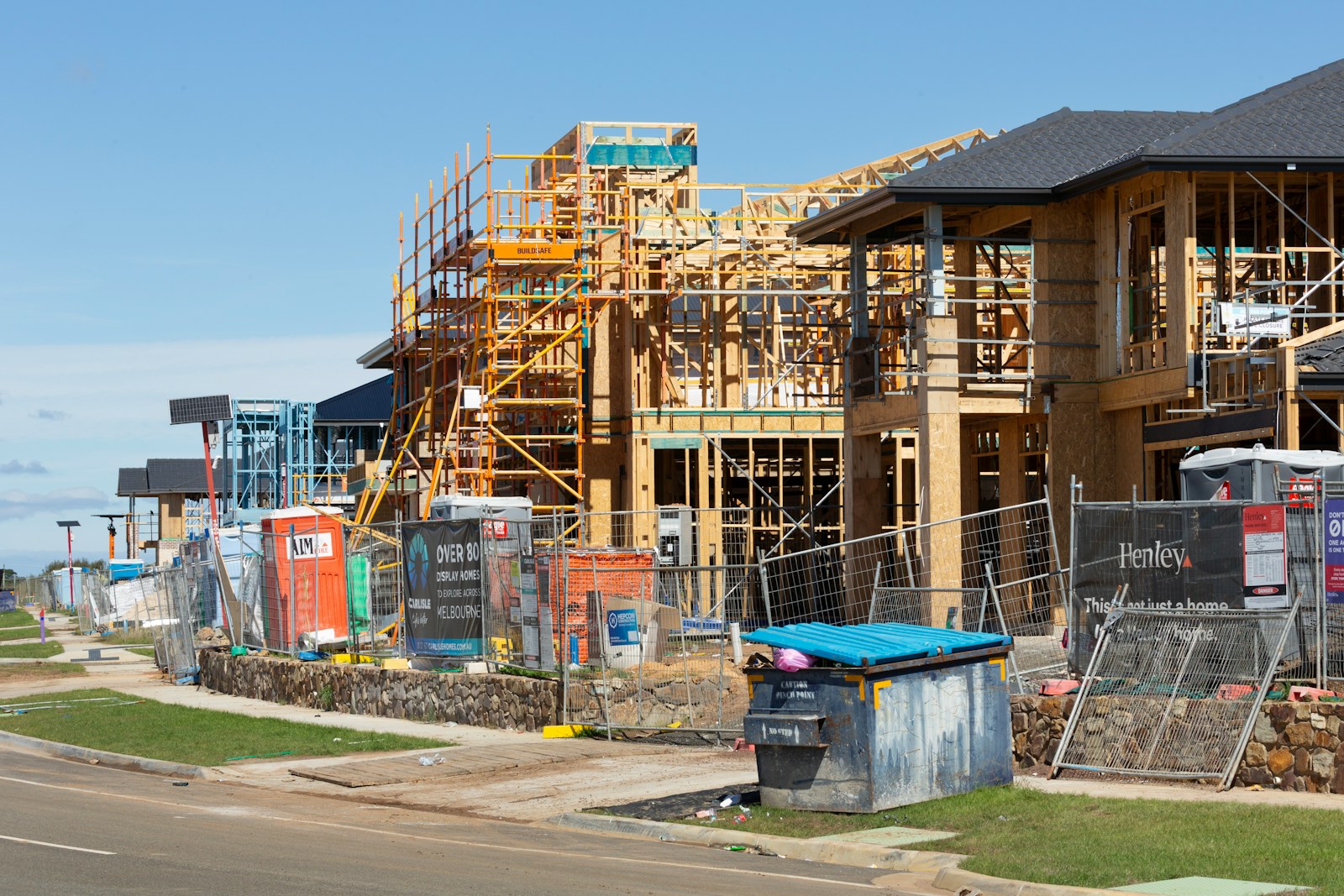
Housing starts fell 7.4% compared to last September. That’s the pipeline for homes that would come to market in 12 to 18 months. Fewer starts now means fewer completions later.
Builder price cuts and falling starts are an early signal, not the whole story.
I watch whether the trend holds for a few more months before reading too much into any single report.
What Is Builder Confidence, Exactly?
The NAHB Housing Market Index is a survey of residential home builders. Each month, NAHB asks builders to rate three things: current single-family home sales, expected sales over the next six months, and buyer traffic. Each component is scored, and the composite becomes the headline index.
When builders say traffic is low, it’s because fewer buyers are walking through model homes. When they say expectations are weak, it’s because they don’t see conditions improving soon. Both are true right now.
It’s worth pointing out: builders have access to data most of us don’t. They see cancellation rates in real time. They know how many deposits came in this month versus last. They talk to lenders constantly. When builders collectively say things look rough, that’s not just sentiment. That’s operational reality.
The Seattle Connection: Why Local Buyers Should Pay Attention
Greater Seattle already has a structural supply problem. The region has been under-building relative to population growth for years. Zoning restrictions, permitting delays, construction costs, and land scarcity all make it hard to add housing quickly.
When national builder confidence tanks, it hits markets like Greater Seattle in a particular way. Here’s why:
New construction in King and Snohomish counties has always been expensive relative to the national average. Labor is pricier. Land costs more. Permits take longer. So when rates climb and buyer demand softens nationally, Seattle-area builders hit the pause button faster than builders in, say, Phoenix or Tampa where costs are lower and lot supply is more abundant.
The result: fewer new homes in the pipeline for the Seattle metro. Which means that when rates eventually pull back and buyers return, there will be even less to choose from than there is today.
That’s not speculation. It’s the pattern we saw after 2018-2019, when a rate-driven slowdown in starts created supply scarcity that contributed to the 2020-2022 price surge. The lag between “builders stop building” and “buyers feel the squeeze” is about 18 to 24 months.
A slowdown in building today tends to show up as a supply squeeze 18 to 24 months later.
If you plan to buy in 2027 or 2028, the thin pipeline being set now is worth factoring into your timeline.
What Happens When Builders Stop Building
Here’s the timeline that plays out when builder confidence crashes and new starts slow down:
| Timeframe | What Happens |
|---|---|
| Now (late 2026) | Builders slow new starts; 43% cut prices on existing inventory |
| 6-12 months (mid-2027) | Fewer homes under construction; pipeline shrinks noticeably |
| 12-18 months (late 2027) | New completions decline; fewer homes added to market |
| 18-24 months (2027-2028) | If rates ease and buyers return, inventory is thin; competition increases |
The buyers who are sitting on the sidelines right now, waiting for “a better market,” need to understand what they might be waiting into. If rates ease in 2027 or 2028, they could face a market with more buyer competition AND less new inventory than what exists today. That’s not guaranteed. But it’s what history suggests happens after a prolonged building slowdown.
What About Resale Homes in Greater Seattle?
New construction is only part of the equation. The resale market in King County and Snohomish County has also been running with more inventory than we’ve seen in a while. As of September 2026, NWMLS data showed roughly 3.8 months of supply in Seattle, which is the most in 15 years.
But “more inventory than a year ago” and “plenty of inventory” aren’t the same thing. Four months of supply is still solidly in balanced-to-seller territory when rates are this high, because affordability constraints are limiting the buyer pool. It’s not that there are too many homes. It’s that fewer buyers can qualify at today’s payment levels.
That’s an important distinction. The homes are there. The buyers who can afford them at 7%+ rates are fewer. When that equation shifts, either through rate relief or through buyers adjusting their expectations, competition comes back quickly.
For a deeper look at how the current Seattle resale market is shaping up this fall, check out our post: Seattle Is a Buyer’s Market Right Now: What the Fall 2026 Numbers Show.
Does This Mean Prices Are About to Drop in Seattle?
Not necessarily. Here’s the thing about housing markets: they don’t behave like stock markets. Sellers don’t panic-sell their homes the way investors dump stocks. Most homeowners can afford to wait, especially the majority who locked in rates below 4% in 2020-2021 and have no reason to sell right now.
What weak builder confidence does tell you is that the structural supply deficit in Seattle will likely get worse before it gets better. Prices could soften modestly in the near term as buyer pool shrinks. But the ingredients for a sustained price crash, mass unemployment, widespread forced selling, negative equity at scale, aren’t present in the current data.
If you’re curious about whether waiting makes sense right now, this post walks through the math: Should Seattle Buyers Stop Waiting for Mortgage Rates to Drop?
What to Do If You’re a Buyer Right Now
First: don’t let the headline numbers freeze you. A builder confidence index of 29 isn’t a “don’t buy” signal for you as a buyer. It’s actually the opposite, in some ways. Here’s what I mean.
When builders are cutting prices, that creates opportunity specifically in the new construction segment. A builder who’s sitting on finished inventory with a mortgage construction loan ticking away is highly motivated. You can often negotiate closing cost credits, rate buydowns, or upgrades that you’d never get in a hot market. That’s real money.
Second: think about the supply math two years out. If you’re buying a home you plan to own for five-plus years, you’re buying into the supply picture of 2028-2030. And today’s building slowdown is setting that supply picture now.
Third: get clear on your number. At current rates, a $900,000 home with 20% down requires roughly $5,000 per month in principal and interest. If that works for your income, and the house works for your life, that’s a better filter than trying to time the market.
Ready to look at what’s available in the Greater Seattle area right now? Search current homes at HomeProHouses.com, or reach out directly to talk through what makes sense for your situation.
The Bottom Line for Seattle-Area Buyers
Builder confidence at a 14-year low isn’t news for today. It’s news for 2027 and 2028. The builders who are pausing now are creating the inventory gap that the next generation of buyers will fight over. Understanding that lag is what separates reactive buyers from strategic ones.
The best move in any market is the one that fits your life and your finances. But being aware of the pipeline that’s being built, or not being built, right now is part of making a good decision.
Frequently Asked Questions About New Home Construction and the Seattle Market
Why is NAHB builder confidence so low in 2026?
Builder confidence has fallen because mortgage rates near 7.3% have significantly reduced buyer demand. Fewer buyers can qualify at current payment levels, which means builders are selling homes more slowly. When sales slow and construction loan costs mount, builders reduce new starts and cut prices on existing inventory.
Does low builder confidence mean Seattle home prices will drop?
Not automatically. Lower builder confidence typically means fewer new homes will be built, which constrains future supply. In the near term, soft demand may keep prices flat or slightly lower. But a sustained price decline in Greater Seattle requires mass job loss and forced selling, neither of which is in the current data. The more likely scenario is modest softening now followed by renewed pressure when rates ease.
Should I buy new construction in Seattle right now?
If you find a home that fits your budget and your life, new construction in a slow builder market can offer real advantages. Builders sitting on finished inventory are often willing to offer closing cost credits, mortgage rate buydowns, or free upgrades that simply aren’t on the table in a competitive market. Get a buyer’s agent who can negotiate on your behalf even when working with a builder’s sales team.
How does falling builder confidence affect home prices in the long term?
Historical patterns show a lag of 18 to 24 months. Today’s pause in new construction reduces the number of homes completing in 2027 and 2028. If buyer demand picks up as rates ease, that thinner supply pipeline tends to increase competition and pressure prices upward. That’s not a guarantee, but it’s what the data suggests happens after prolonged construction slowdowns in supply-constrained markets like Seattle.
Where can I find homes for sale in the Greater Seattle area right now?
You can search current listings, including new construction, at HomeProHouses.com. For personalized help, contact Emily Cressey at HomePro Associates at 206-245-8813 or visit Emily’s Guide to Buying a Home in Seattle.
Work With Emily Cressey
Emily Cressey is a real estate broker with HomePro Associates at Keller Williams Greater Seattle. She helps buyers and sellers throughout King County and Snohomish County make clear-headed decisions, even in complicated markets.
If you’re thinking about buying or selling in the Greater Seattle area, Emily would love to talk. Text HOME to 206-245-8813, or book a call through Emily’s Guide to Buying a Home in Seattle.

About the Author: Emily Cressey
Emily Cressey is a Seattle-area market analyst and REALTOR® with HomePro Associates at Keller Williams Greater Seattle. With a B.A. in Economics and experience as a real estate investor since 2002 and a licensed broker since 2008, she tracks King and Snohomish County market data every month so buyers and sellers get a straight read on what’s actually happening, not just a headline. A dedicated weightlifter, she brings the same discipline to the gym that she brings to the numbers, consistently tracking the trends so she can advise you on your position as you buy, sell, or invest.
Want a market read for your specific neighborhood? Call or text Emily at 206-245-8813, book a free call. We make real estate EASY for you.
WA Real Estate License #20109399 · Verify at WA DOL