Buying a Townhome in Wallingford, WA: HOA, Resale, and What to Check Before You Offer
Should you buy a townhome in Wallingford, WA?
If you do your HOA homework first, yes. Wallingford townhomes offer walkable North Seattle living for less than a bungalow, but they come with HOA, resale, and financing tradeoffs worth understanding before you offer.
Want the bigger picture on the neighborhood first? Wallingford's housing character, walkability, parks, and commute all factor into whether a townhome here makes sense for you, which we will cover below.
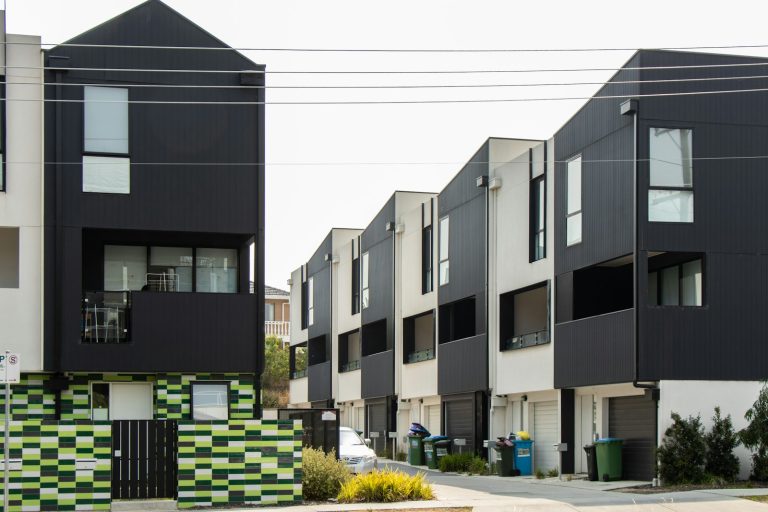
Wallingford used to mean Craftsman bungalows. NE 45th Street, wide front porches, Gasworks Park at the end of the block. And that's still true on most streets. But walk a few blocks toward the arterials and you'll find a different kind of Wallingford: brand-new infill townhomes and condo buildings, built on lots that used to hold single-family homes.
Seattle's zoning changes pushed density into neighborhoods like this one. The result in Wallingford is a supply of attached housing that didn't exist a decade ago. For buyers who want to be in this neighborhood but can't stretch to a detached bungalow, townhomes are often the answer.
But a townhome is not a bungalow with a thinner lot. It comes with an HOA, shared walls, shared infrastructure, and a legal structure that affects everything from how you finance the purchase to how you sell it someday. Most buyers learn this after they fall in love with a place. The ones who don't get caught by surprise do their homework first.
This is that homework.
The Wallingford Townhome Landscape
Most of the townhomes and small condo buildings in Wallingford are infill construction, meaning they were built on lots that previously held older single-family homes. That makes them relatively young by Seattle standards: most were built in the 2010s or 2020s. You're not buying a century-old building with decades of deferred maintenance. But you're also buying into a homeowners association that may not have had much time to build up its reserves.
Wallingford's attached housing falls into a few distinct types:
Fee-simple townhomes with a shared HOA. You own your unit outright (land and structure), but you share walls, a roof, and an HOA with one to five neighbors. The HOA covers exterior maintenance and common-area costs. These are the most common townhome structure in the neighborhood.
Condominium townhomes. You own the airspace of your unit, not the underlying land. The HOA owns and manages the common elements, including exteriors. Condominiums are governed by Washington State's condominium statutes and require more paperwork at purchase, but also give buyers more legal protections in the form of required disclosures.
Small boutique condo buildings. Some infill projects produced three- to eight-unit condo buildings rather than attached townhomes. These can have even thinner reserve funds and fewer people sharing the cost of maintenance.
The distinction matters for financing, for your rights as a buyer, and for your exposure to future costs. Know which type you're buying before you get emotionally attached to a specific unit.
Why HOA Health Is the Most Important Thing to Check
An HOA in a fee-simple townhome or condo in Wallingford isn't optional overhead. It's the legal structure that determines who fixes the roof, who's responsible when a pipe in the shared wall fails, and how much cash is available when something major needs replacing.
A well-run HOA makes townhome ownership easier than owning a bungalow. You pay dues, the exterior is handled, and major common-area repairs are funded through reserves. A poorly run HOA makes it harder. Deferred maintenance, underfunded reserves, and surprise special assessments can follow you for years.
The financial health of an HOA is not visible from the sidewalk. You have to ask for it.
What Do HOA Dues Actually Cover?
HOA dues vary a lot from one Wallingford building to the next, depending on the size of the association and what it maintains. Ask for the exact monthly figure on any building you are considering. Dues cover some mix of the following:
| What Dues Usually Cover | What Dues Usually Don't Cover |
|---|---|
| Exterior maintenance and painting | Interior repairs and updates |
| Roof maintenance and replacement | Interior appliances |
| Common area landscaping | Private yard or deck, if any |
| Building insurance (master policy) | Your personal belongings (need H06 policy) |
| Reserve fund contributions | Structural modifications you want to make |
| Property management fees (if applicable) | Utilities (usually paid separately) |
Read the HOA's CC&Rs (Covenants, Conditions, and Restrictions) carefully. The exact scope of what the HOA covers vs. what the individual owner is responsible for varies by association. If you plan to rent the unit out, check the short-term rental rules before buying a Seattle condo.
The Five Documents to Request Before You Make an Offer
Under Washington State law, sellers of condominium units are required to provide a resale certificate with specific financial disclosures before closing. But if you're buying a fee-simple townhome with an HOA rather than a legal condominium, you're entitled to request, and should demand, the same information. Get these before you go under contract if possible, or use your inspection period to obtain and review them.

1. Current HOA Budget
This shows where the money comes from (dues) and where it goes (expenses). Look for: Is income exceeding expenses? Is there a surplus being added to reserves, or is the HOA running thin? Are there categories of expenses that look underbudgeted compared to what you'd expect for a building of this age and size?
2. Reserve Study
This is the single most important document for a condo or townhome buyer. A reserve study is a professional engineering assessment that estimates when major building components (roof, siding, windows, decking, balconies) will need replacement, and how much it will cost. The study also tells you whether the current reserve fund has enough money set aside to cover those future costs.
The "percent funded" figure tells the story. A reserve fund that's 70% to 100% funded is healthy. Below 50% means the association is underfunded relative to its future obligations. Below 30% is a red flag: it means there's a meaningful risk of a special assessment or a sudden spike in dues to cover costs the reserve wasn't built up to handle.
3. Reserve Fund Balance
Get the current bank balance, not just the reserve study's projections. Sometimes associations haven't been contributing to reserves at the rate the study recommended. A reserve study might show a healthy long-term plan, but the actual cash on hand could be much lower if contributions have been skipped or underfunded.
4. At Least 12 Months of Meeting Minutes
HOA meeting minutes are where you find out what's actually happening. Deferred repairs, owner disputes, insurance claims, vendor complaints, discussions of upcoming costs. It's all in there if you read carefully. Pay attention to any repairs that keep getting mentioned but not resolved.
If the HOA has no meeting minutes because they've never held a formal meeting, that tells you something too.
5. Any Pending Special Assessment Notices
A special assessment is a one-time charge to owners above and beyond regular dues, typically triggered when a major expense hits that the reserve fund can't cover. Ask directly: has any special assessment been levied, voted on, or discussed? An HOA is not required to proactively tell you about a special assessment that was discussed but not yet approved. Ask explicitly, get the minutes, and read them.
Special Assessments: What They Are and How to Spot the Risk
Special assessments are common in Seattle's attached housing market, especially in buildings that were constructed in the 1990s and 2000s when some builders cut corners on waterproofing and building envelope details. But even newer Wallingford infill townhomes aren't immune.
Common triggers for special assessments in Seattle-area buildings:
- Roof replacement
- Siding failure or water intrusion repair (expensive and common in Pacific Northwest attached housing)
- Balcony or deck reconstruction
- Plumbing stack or water line replacement
- Shared driveway or parking structure repairs
- Litigation costs if the HOA is involved in a dispute
Here is a simple illustration: on a 4-unit townhome building, a $60,000 roof replacement becomes a $15,000 special assessment per unit if there's nothing in reserves. Most buyers don't have an extra $15,000 sitting around six months after closing.
The HOA's coverage area is something to check carefully. There's a published guide to how special assessment risk plays out in North Seattle neighborhoods: see how HOA special assessments work in Fremont, which covers the same types of infill buildings and the same due diligence framework that applies in Wallingford.
Warrantability: Will Your Lender Actually Finance This?
This is the piece most buyers find out about at the wrong time, which is usually after they've signed a purchase agreement.
Fannie Mae and Freddie Mac set guidelines for which condo and townhome buildings qualify for conventional financing. A building that doesn't meet those guidelines is called "non-warrantable." Lenders either won't finance non-warrantable condos at all, or they do it with portfolio loans that carry higher interest rates and larger required down payments.
Common reasons a Wallingford building might not qualify for conventional financing:
| Disqualifying Factor | What It Means |
|---|---|
| Single owner holds too many units | One landlord or entity controls too much of the building |
| Active or pending litigation involving the HOA | Construction defect lawsuits are common in newer Seattle buildings |
| HOA operating deficit | Association spending more than it collects |
| Reserve fund below 10% of annual budget | Severely underfunded reserves |
| Commercial space >35% of the building | Mixed-use buildings sometimes fail this test |
Fannie Mae's condo warrantability guidelines are publicly available at Fannie Mae's Selling Guide. The practical step is to have your lender do a condo project review on any specific building before you go under contract. This is a quick check that lenders can do from public HOA records and basic financial documents. Do it before you're emotionally invested.
FHA has its own condo approval process. FHA-approved condo buildings are searchable on HUD's condo lookup tool. Many newer small townhome buildings in Wallingford have never pursued FHA approval, which means FHA financing simply isn't an option in those buildings.
The financing piece matters for resale too. If you buy into a building that's non-warrantable now, you'll be selling to a smaller pool of buyers later. That affects both time on market and what buyers can afford to offer.
Resale: Thinking About Your Exit Before You Buy
Wallingford's location makes it genuinely attractive for resale. The neighborhood's walkability, the proximity to Green Lake and Gasworks Park, the commute access to South Lake Union and the University District. Those fundamentals don't change and they support long-term demand. You can get a feel for how the broader neighborhood holds up over time by looking at the area: Green Lake, Wallingford's neighbor to the north, shares the same demand drivers and tells a similar resale story.
But the resale story for a specific townhome or condo unit is more nuanced than the neighborhood's overall desirability.
HOA Health Follows the Building
When you sell a unit in five or ten years, prospective buyers will be running the same due diligence you're running now. If the HOA's financials are stronger then (healthy reserves, no pending assessments, well-maintained exterior), that helps your sale. If the HOA has deteriorated, that shows up in the documents your future buyer requests, and it compresses what they can offer.
Unit Mix Matters
A building where most units are owner-occupied tends to maintain better than one where most units are rentals. Owner-occupants show up to HOA meetings. They care about the landscaping. They push back when a repair gets deferred too long. Check the owner-occupied percentage before you buy, and think about whether that ratio is likely to shift.
Outdoor Space Helps
Townhomes with private outdoor space (a small yard, a rooftop deck, a covered patio) sell better than units with none. In a market where even a small yard is a genuine rarity, outdoor space is a real asset that supports your resale price and speeds your eventual sale.
The Physical Inspection: What's Different for Attached Housing
A standard home inspection covers your unit. But for an attached home, there's more to look at than what's inside your four walls.
Shared Walls and Noise
Noise transmission through party walls is one of the most common complaints among townhome owners, and it's very hard to assess from a short tour. Visit the property at different times of day if you can. Ask the seller how the sound transmission has been. Look at the wall construction materials in the building's disclosures. Concrete and masonry separate sound better than wood framing with drywall.
Roof
For a small building where you share a roof with one or two neighbors, the roof's condition directly affects your wallet. If the roof needs replacement in three years, that's either covered by HOA reserves or it becomes a special assessment. Have your inspector assess the roof, and also ask the HOA when it was last replaced and when the reserve study says replacement is expected.
Building Envelope
Seattle's wet climate is relentless on building envelopes. Flashing details around windows, doors, and balconies fail over time. Water intrusion into shared walls can damage multiple units, trigger insurance claims, and generate large repair bills. Have your inspector look carefully at any evidence of moisture around windows, exterior walls, and balcony connections.
Parking and Common Areas
If there's a shared driveway, carport, or parking structure, note its condition. Parking structure repairs in Seattle are expensive, and they often get deferred because they're not visible from inside units. Look at the condition of any common-area fencing, lighting, drainage systems, and landscaping. Deferred maintenance here signals a pattern of deferred maintenance everywhere else.
Your Offer: How Townhome Negotiation Differs from Buying a Bungalow
Buying a Wallingford townhome in a competitive market is similar to buying any Seattle property: you need to move fast and know your numbers. But there are a few specific things that apply to attached housing.
Inspection period. Use it. For a condo governed by Washington's condominium statutes, you have a statutory rescission period of five business days after receiving the resale certificate to cancel the purchase agreement for any reason. For other townhome structures, this right may not apply automatically, so make sure your contract includes an inspection and document review contingency that gives you time to review all the HOA financials.
Resale certificate review. For legal condominiums, the seller provides a resale certificate. Read it. It contains the current budget, reserve balance, dues amount, any pending special assessments, and pending litigation. If something in the resale certificate concerns you, you can cancel the contract within the rescission period without losing your earnest money.
HOA condition as a price factor. A building with an underfunded reserve is worth less than one with healthy reserves. That gap should be reflected in your offer price. If you're buying into a building with a 30%-funded reserve when it should be 80%, you're assuming future liability that the price should account for.
Know your financing before you offer. Get the warrantability question answered before you write an offer. If the building turns out to be non-warrantable, your conventional preapproval may not apply.
If you want to search current Wallingford townhome and condo listings while you're working through this checklist, this live condos and townhomes search updates directly from the MLS with no sign-up required.
For buyers new to the Seattle market who want context on the full purchase process, this guide to what to expect when buying your first home in Seattle covers the timeline, terminology, and what to watch for at each stage.
Wallingford Townhome Buying Checklist
| Step | What to Do | When |
|---|---|---|
| Identify the HOA structure | Fee-simple vs. condominium vs. small condo building | Before touring |
| Warrantability check | Ask your lender to run a condo project review | Before going under contract |
| Request HOA documents | Budget, reserve study, reserve balance, meeting minutes, special assessments | Before or immediately after going under contract |
| Review percent-funded | 70%+ healthy; below 50% is a warning; below 30% is a red flag | During document review |
| Physical inspection | Roof, shared walls, building envelope, parking, common areas | During inspection period |
| Check owner-occupancy rate | Higher owner-occupancy = better maintained buildings | During document review |
| Review resale certificate (condos) | All financial disclosures required by WA condominium law | Rescission period (5 business days) |
| Talk to HOA board member if possible | What's coming up? What's been deferred? | During inspection period |
Is a Wallingford Townhome Right for You?
If you want to be in North Seattle, you want walkability and proximity to Green Lake and the Burke-Gilman Trail, and a detached Wallingford bungalow is out of your budget, a townhome can be a genuinely good fit. The location is real. The lifestyle is real. The trade-offs are manageable if you go in informed.
The buyers who struggle are the ones who prioritize getting into a specific building quickly over doing the homework on HOA health and warrantability. By the time they discover a 25%-funded reserve fund or a non-warrantable building, they're already attached to the place, and facing either walking away from earnest money or accepting risk they didn't price in.
The buyers who do well go in with a clear checklist, get the HOA documents early, have their lender run the warrantability review before the offer, and treat an underfunded reserve as what it is: a discount-worthy defect.
I work with townhome buyers in Wallingford and across King County, and the pattern is consistent: the due diligence takes a few extra days but it changes what you offer and what you walk away from. That process is worth doing with someone who knows how to read these documents and what the numbers actually mean.

About the Author: Emily Cressey
Emily Cressey is a Seattle-area buyer’s agent and REALTOR® with HomePro Associates at Keller Williams Greater Seattle, specializing in relocation, first-time buyers, buy-sell transactions, downsizers, and new construction purchases across King and Snohomish Counties. A real estate investor since 2002 and a licensed broker since 2008, she grew up in Shoreline, WA and has guided buyers through every kind of market to help them find a home they love that will be a profitable long-term investment. Emily says, “My goal is to educate buyers so they make confident decisions.”
If you’re thinking about a move, reach out to Emily here. Call or text 206-245-8813 . We make real estate EASY for you.
WA Real Estate License #20109399 · Verify at WA DOL
Ready to see what's on the market right now? Browse current Wallingford-area condos and townhomes, or grab the Buyer's Guide for the full step-by-step on a Seattle purchase.
Frequently Asked Questions: Buying a Townhome in Wallingford, WA
What HOA documents should I request before buying a townhome in Wallingford?
At minimum: the current HOA budget, the most recent reserve study (including the percent-funded figure), the current reserve fund bank balance, at least 12 months of meeting minutes, and any pending special assessment notices. For legal condominiums, the seller is required by Washington State's Condominium Act (RCW 64.34) to provide a resale certificate with this financial information. Don't skip this step. It's the single best predictor of whether you'll face unexpected costs after you close.
What is a non-warrantable condo and why does it matter for buyers in Wallingford?
A non-warrantable condo is one that doesn't meet Fannie Mae or Freddie Mac guidelines for conventional financing. If the building you want to buy is non-warrantable (due to investor concentration, pending litigation, or a financially distressed HOA), you'll need a portfolio loan with higher rates and a bigger down payment, or you'll need to walk away. It also affects resale because your future buyer faces the same limitation. Have your lender check warrantability before you go under contract.
How much are HOA dues for Wallingford townhomes and condos?
It depends on the building. Smaller associations with minimal shared amenities tend to be on the lower end; larger buildings with professional management run higher. Ask for the exact figure on any building you are considering. Note that lower dues aren't always better: an HOA with low dues and a thinly funded reserve can be riskier than one with higher dues and healthy reserves. The dues should match the reserve contribution the building actually needs.
Are Wallingford townhomes a good investment compared to a bungalow?
Wallingford's location supports long-term demand for attached housing, but investment performance depends heavily on the specific building's HOA health. A townhome in a well-run association with healthy reserves can appreciate well and be easy to sell. One in an underfunded, poorly managed association tends to lag. Buyers doing proper due diligence will discount accordingly. The neighborhood is strong; the building matters as much as the location.
What's the difference between a fee-simple townhome and a condominium in Wallingford?
A fee-simple townhome means you own the land and structure outright, sharing an HOA for exterior maintenance with your neighbors. A condominium means you own the airspace of your unit. The legal structure is different, governed by different Washington statutes, and required disclosures at sale are more formal (the seller must provide a resale certificate). This distinction matters for financing, for your legal rights during the purchase process, and for understanding exactly who's responsible for what.